This advertisement has not loaded yet, but your article continues below.
Article content
But few people know that the human body naturally produces chemicals that are very similar to delta-9-tetrahydrocannabinol, or THC, the psychoactive compound in marijuana, which comes from theCannabis sativa plant. These substances are called endocannabinoids, and they’refound across all vertebrate species.
Article content
Evolutionarily, the appearance of endocannabinoids in vertebrate animals predates that ofCannabis sativabyabout 575 million years.
It is as if the human body has its own version of a marijuana seedling inside, constantly producing small amounts of endocannabinoids.
The similarity of endocannabinoids to THC, and their importance in maintaining human health, have raised significant interest among scientists to further study their role in health and disease, and potentially use them as therapeutic targets to treat human diseases.
Advertisement 3
Story continues below
This advertisement has not loaded yet, but your article continues below.
Endocannabinoids were not discovereduntil 1992. Since then, research has revealed that they are critical for many important physiological functions thatregulate human health. An imbalance in the production of endocannabinoids, or in the body’s responsiveness to them,can lead to major clinical disorders, including obesity as well as neurodegenerative, cardiovascular and inflammatory diseases.
By clicking on the sign up button you consent to receive the above newsletter from Postmedia Network Inc. You may unsubscribe any time by clicking on the unsubscribe link at the bottom of our emails or any newsletter. Postmedia Network Inc. | 365 Bloor Street East, Toronto, Ontario, M4W 3L4 | 416-383-2300
Thanks for signing up!
A welcome email is on its way. If you don’t see it, please check your junk folder.
The next issue of will soon be in your inbox.
We encountered an issue signing you up. Please try again
Article content
Advertisement 4
Story continues below
This advertisement has not loaded yet, but your article continues below.
Article content
What is the endocannabinoid system?
A variety of tissues in the body, including brain, muscle, fatty tissue and immune cells,produce small quantities of endocannabinoids. There aretwo main types of endocannabinoids: anandamide, or AEA, and 2-arachidonoyl glycerol, known as 2-AG. Both of them can activate the body’s cannabinoid receptors, which receive and process chemical signals in cells.
One of these receptors, called CB1, isfound predominantly in the brain. The other, called CB2, isfound mainly in immune cells. It is primarily through the activation of these two receptors that endocannabinoids control many bodily functions.
The receptors can be compared to a “lock” and the endocannabinoids a “key” that can open the lock and gain entry into the cells. All these endocannabinoid receptors and molecules together are referred to as the endocannabinoid system.
Advertisement 5
Story continues below
This advertisement has not loaded yet, but your article continues below.
Article content
The cannabis plant contains another compound called cannabidiol, or CBD, which hasbecome popularfor its medicinal properties. Unlike THC, CBD doesn’t have psychoactive properties because itdoes not activate CB1 receptors in the brain. Nor does itactivate the CB2 receptors, meaning that its action on immune cells is independent of CB2 receptors.
Role of endocannabinoids in the body
The euphoric “high” feeling that people experience when using marijuana comes from THC activating the CB1 receptors in the brain.
But when endocannabinoids activate CB1 receptors, by comparison, they do not cause a marijuana high. One reason is that the bodyproduces them in smaller quantitiesthan the typical amount of THC in marijuana. The other is thatcertain enzymes break them downrapidly after they carry out their cellular functions.
Advertisement 6
Story continues below
This advertisement has not loaded yet, but your article continues below.
Article content
However, there is growing evidence that certain activities may release mood-elevating endocannabinoids. Some research suggests that the relaxed, euphoric feeling you get after exercise, called a “runner’s high,” results from therelease of endocannabinoidsrather than from endorphins, as previously thought.
The endocannabinoidsregulate several bodily functionssuch as sleep, mood, appetite, learning, memory, body temperature, pain, immune functions and fertility. They control some of these functions by regulating nerve cell signaling in the brain. Normally, nerve cells communicate with one another at junctions called synapses. The endocannabinoid system in the brain regulates this communication at synapses, which explains its ability to affect a wide array of bodily functions.
Advertisement 7
Story continues below
This advertisement has not loaded yet, but your article continues below.
Recent research suggests that migraine, fibromyalgia, irritable bowel syndrome, post-traumatic stress disorder and bipolar disease are alllinked to low levels of endocannabinoids.
Advertisement 8
Story continues below
This advertisement has not loaded yet, but your article continues below.
Article content
In a 2022 study, researchers found that a defect in a gene that helps produce endocannabinoids causesearly onset of Parkinson’s disease. Another 2022 study linked the same gene defect toother neurological disorders, including developmental delay, poor muscle control and vision problems.
Other research has shown that people with a defective form of CB1 receptorsexperience increased pain sensitivitysuch as migraine headaches and suffer from sleep and memory disorders and anxiety.
The likeness between marijuana and endocannabinoids
We believe that the medicinal properties of THC may be linked to the molecule’s ability to compensate for a deficiency or defect in the production or functions of the endocannabinoids.
Advertisement 9
Story continues below
This advertisement has not loaded yet, but your article continues below.
Deciphering the role of endocannabinoids is still an emerging area of health research. Certainly much more research is needed to decipher their role in regulating different functions in the body.
In our view, it will also be important to continue to unravel the relationship between defects in the endocannabinoid system and the development of various diseases and clinical disorders. We think that the answers could hold great promise for the development of new therapies using the body’s own cannabinoids.
Prakash Nagarkatti, Professor of Pathology, Microbiology and Immunology, University of South Carolina; and Mitzi Nagarkatti, Professor of Pathology, Microbiology and Immunology, University of South Carolina
This article is republished from The Conversation under a Creative Commons license.Read the original article.
Article content
Share this article in your social network
Comments
Postmedia is committed to maintaining a lively but civil forum for discussion and encourage all readers to share their views on our articles. Comments may take up to an hour for moderation before appearing on the site. We ask you to keep your comments relevant and respectful. We have enabled email notifications—you will now receive an email if you receive a reply to your comment, there is an update to a comment thread you follow or if a user you follow comments. Visit our Community Guidelines for more information and details on how to adjust your email settings.
Join the Conversation
Advertisement 1
Story continues below
This advertisement has not loaded yet, but your article continues below.
There are only four known compounds available to rid ourselves of fungal infections
FILE – Pedro Pascal and Bella Ramsey in The Last of Us (2023).Photo by hbo
Article content
Many of the people watchingThe Last of Usare likely there for the zombies.
Advertisement 2
Story continues below
This advertisement has not loaded yet, but your article continues below.
Article content
I love the zombies too, but I’m really there for the fungus.
Article content
I’ve been studying fungi since my PhD work in the 1980s, and I grow more fascinated by these amazing organisms with every passing year.
In the HBO series and thevideo game that inspired it, a parasitic fungus — a fictitious mutation of thevery real cordyceps— jumps from insects to humans and quickly spreads around the world, rendering its victims helpless to control their thoughts and actions. Far-fetched fungal fearmongering? It’s definitely fictional, but maybe not as preposterous as it might seem.
Fascinating fungi
From microscopic mould spores tokilometres-long myceliumunder the forest floor, members of this distinct biological kingdom — neither plant nor animal — are incredible, and highly worthy of more attention.
By clicking on the sign up button you consent to receive the above newsletter from Postmedia Network Inc. You may unsubscribe any time by clicking on the unsubscribe link at the bottom of our emails or any newsletter. Postmedia Network Inc. | 365 Bloor Street East, Toronto, Ontario, M4W 3L4 | 416-383-2300
Thanks for signing up!
A welcome email is on its way. If you don’t see it, please check your junk folder.
The next issue of will soon be in your inbox.
We encountered an issue signing you up. Please try again
Article content
Advertisement 3
Story continues below
This advertisement has not loaded yet, but your article continues below.
Article content
Most of us may not think about them beyond the mushroom slices on our pizza, but fungi figure prominently in our everyday lives. Do you eat bread? Thankthe fungus we call yeast. Do you enjoy beer, wine or whisky? Raise a glass to yourfungal friends responsible for the fermentationthat brings them to life.
Fungi are incredible chemists. They make many compounds that humans cannot easily replicate in the lab. Some make compounds that can affect behaviour.
Look atlysergic acid diethylamide, commonly known as LSD, or “acid.” Its well-known psychedelic effects originate from a grain mould. Similarly, “magic” mushrooms are the source ofpsilocybin. LSD and magic mushrooms are both illegal recreational drugs but are also under study for their therapeutic value.
Advertisement 4
Story continues below
This advertisement has not loaded yet, but your article continues below.
Article content
Fungal infections
Fungi also have an aggressive side. Apart from breaking down dead plants and animals, some forms attack living creatures, including humans. Whole pharmacy shelves are stocked with remedies forathlete’s foot,yeast infectionsandjock itch, all of them nasty fungal infections. Evendandruff is caused by a fungus.
Yet while we can access an array of medications to cure bacterial infections such as pneumonia and strep throat, there are onlyfour known compoundsavailable to rid ourselves of fungal infections. Three are available in the various over-the-counter powders, sprays and ointments we use to treat common fungal infections.
The fourth and newest class, echinocandins, is reserved for hospital settings, where the consequences of fungal infections can be deadly.
Advertisement 5
Story continues below
This advertisement has not loaded yet, but your article continues below.
We are working to find ways to limit the potential harm humans face from fungal infections. We also seek to understand how we can use their abundant and as-yet barely tapped potential to make new antibioticsbefore we lose the waning power of penicillin and its derivatives.
Fungi adapt and evolve
I was first attracted to fungus research as a student about to begin my PhD studies about 35 years ago. At that time,HIV-AIDS was still emerging, shutting down the immune systems of otherwise healthy people, leaving them vulnerable to opportunistic infections,including fungal infections.
Advertisement 6
Story continues below
This advertisement has not loaded yet, but your article continues below.
Article content
I wanted to understand more about how fungi worked.
Like bacteria and viruses, fungi are always evolving and adapting,finding ways to survive under hostile conditions. We are seeing many forms of fungi adapting to live at ever-higher temperatures, including body temperature, which has long been humans’ first line of defence.
We are also seeing growing antimicrobial resistance among some causes of fungal infection, yeasts such asCandida aurisand moulds such asAspergillus, both of which can be causes of in-hospital infections.
Potential for a fungal pandemic
WhileThe Last of Usis a strictly dramatic projection of what might happen in a deadly fungal outbreak, it is at least based, if not in reality, in logic.
Advertisement 7
Story continues below
This advertisement has not loaded yet, but your article continues below.
Article content
Fungi are able to influence perceptions and behaviour through chemistry. Are they getting closer? You bet. Do they make zombies? Not that we know of, but the thought is darkly entertaining, and that keeps me watching.
The show does do an excellent service by reminding us that we need to adapt to stay ahead of the possibility of a fungal pandemic.
In the same way the movieAll The President’s Menonce inspired a generation of journalists, andThe Paper Chaselater channelled many eager students toward law school, I am hopeful thatThe Last of Usmay trigger new interest in studying fungi.
The more minds we can focus on unlocking the true magic in mushrooms, the better off we’ll all be.
Gerry Wright, Professor of Biochemistry and Biomedical Sciences, McMaster University
This article is republished from The Conversation under a Creative Commons license.Read the original article.
Article content
Share this article in your social network
Comments
Postmedia is committed to maintaining a lively but civil forum for discussion and encourage all readers to share their views on our articles. Comments may take up to an hour for moderation before appearing on the site. We ask you to keep your comments relevant and respectful. We have enabled email notifications—you will now receive an email if you receive a reply to your comment, there is an update to a comment thread you follow or if a user you follow comments. Visit our Community Guidelines for more information and details on how to adjust your email settings.
Join the Conversation
Advertisement 1
Story continues below
This advertisement has not loaded yet, but your article continues below.
PTSD can cause agitation, flashbacks, impaired concentration and memory, insomnia and nightmares
Post-traumatic stress disorder (PTSD), a psychiatric condition linked to surviving or witnessing a traumatic life event, will affect around one in 10 Canadians at some point in their lives.Photo by Getty Images
Article content
This story was first published on November 5, 2019
Advertisement 2
Story continues below
This advertisement has not loaded yet, but your article continues below.
As epidemiologists and substance use researchers, we have been exploring the relationship between cannabis and PTSD using readily availableStatistics Canada mental health data.
Ina recent study, published in the Journal of Psychopharmacology, we found that PTSD increased the risk of major depressive episodes among Canadians who didn’t use cannabis by roughly seven times, and suicidal ideation by roughly five times. But, among Canadians who did use cannabis, PTSD was not statistically associated with either outcome.
By clicking on the sign up button you consent to receive the above newsletter from Postmedia Network Inc. You may unsubscribe any time by clicking on the unsubscribe link at the bottom of our emails or any newsletter. Postmedia Network Inc. | 365 Bloor Street East, Toronto, Ontario, M4W 3L4 | 416-383-2300
Thanks for signing up!
A welcome email is on its way. If you don’t see it, please check your junk folder.
The next issue of will soon be in your inbox.
We encountered an issue signing you up. Please try again
Article content
Advertisement 4
Story continues below
This advertisement has not loaded yet, but your article continues below.
Article content
How cannabis works in the body
Substance use,including cannabis use, is common among trauma survivors. It’s easy to write off the drug as just a tool to briefly escape negative feelings, at the risk of worsening longer-term symptoms. However, the relationship between cannabis and PTSD is more complex than it appears on the surface.
Certain components of the cannabis plant, including the well-known molecules tetrahydrocannabinol (THC, the component of cannabis that produces the high) and cannabidiol (CBD, the component of cannabis that won’t get you high, but has the potential for treatingepilepsy,inflammation,nauseaandanxiety) are also cannabinoids because of their structural similarity to endogenous cannabinoids.
Advertisement 5
Story continues below
This advertisement has not loaded yet, but your article continues below.
Research is still uncovering if and how cannabis works within the body to affect the course of PTSD. Brain imaging research suggests that patients with PTSD have anabundance of cannabinoid receptorsbut produce fewendogenous cannabinoidsto lock into them, meaning that supplementing the body with plant-based cannabinoids like THC might help some brain processes function as normal.
Reduced depression and suicide
Roughly one in four individuals with PTSD in the Statistics Canada survey data that we analyzed used cannabis, compared to about one in nine in the general population.
Advertisement 6
Story continues below
This advertisement has not loaded yet, but your article continues below.
Article content
In our study, we used statistical models to quantify the relationship between having PTSD and recently experiencing a major depressive episode or suicidal ideation. We hypothesized that if cannabis helped mitigate symptoms of PTSD, we’d see a much weaker association between PTSD and these indicators of mental distress in the cannabis-using population.
Indeed, exploring the associations in this way while controlling for other factors (such as sex, age, income, other substance use, other mental health problems) supported our hypothesis.
In a follow-up analysis of the 420 individuals in the sample who had PTSD, we categorized cannabis use into “no use,” “low-risk use” and “high-risk use” (meaning that they screened positive for cannabis abuse or dependence).
Advertisement 7
Story continues below
This advertisement has not loaded yet, but your article continues below.
Article content
We found that low-risk cannabis users were actually less likely than non-users to develop a major depressive episode or to be suicidal, though there was a trend towards increased risk of both outcomes for the high-risk users.
A promising new signal
People with PTSD are more likely to experience depression and suicidal ideation. However, our findings suggested that these indicators of mental health were improved when they were engaging in lower-risk cannabis use.
Our study has a number of limitations that prevent us from being able to understand whether cannabis is what’s causing the reduced association between PTSD, depression and suicide.
For example, our data captures information covering participants’ experiences from the previous year, meaning we can’t actually decipher what came first: the cannabis use, the PTSD or the major psychological episodes.
Advertisement 8
Story continues below
This advertisement has not loaded yet, but your article continues below.
Article content
We didn’t have detailed information about how participants used cannabis: for example, the type and dose of cannabis they used, how often they used it or how they consumed it. These details will be crucial to future research in this area.
Our study’s strength comes from its ability to describe patterns of PTSD symptoms and cannabis use in a large sample that’s considered to be representative of the Canadian population. Although our findings suggest that cannabis could be of possible therapeutic use in the treatment of PTSD, cannabis use is not without risks, including the development ofcannabis use disorder.
We’ve uncovered a promising new signal on the potential of cannabis-based therapies, but we look forward to much work ahead in understanding how they might fit into PTSD and mental health treatment more broadly.
Advertisement 9
Story continues below
This advertisement has not loaded yet, but your article continues below.
Stephanie Lake, PhD student in Population and Public Health, University of British Columbia; and M-J Milloy, Research Scientist, BC Centre on Substance Use and Assistant Professor in the Division of AIDS, Department of Medicine, University of British Columbia
This article is republished from The Conversation under a Creative Commons license.Read the original article.
Article content
Share this article in your social network
Comments
Postmedia is committed to maintaining a lively but civil forum for discussion and encourage all readers to share their views on our articles. Comments may take up to an hour for moderation before appearing on the site. We ask you to keep your comments relevant and respectful. We have enabled email notifications—you will now receive an email if you receive a reply to your comment, there is an update to a comment thread you follow or if a user you follow comments. Visit our Community Guidelines for more information and details on how to adjust your email settings.
Join the Conversation
Advertisement 1
Story continues below
This advertisement has not loaded yet, but your article continues below.
MDMA, also known as “ecstasy” or “molly”, is used in rave culture because it increases energy and makes people feel euphoric and sociable
The findings do not mean that using MDMA makes people more empathetic as it is highly possible that more empathetic people who use drugs are drawn to MDMA due to its sociable effects.Photo by Getty Images
Article content
The story was first published on February 11, 2019
Advertisement 2
Story continues below
This advertisement has not loaded yet, but your article continues below.
Article content
If you’ve ever seen someone in a club on MDMA, it may not surprise you to hear it’s linked to a heightened ability to share other people’s feelings and emotions. Yet in our study, we found that even when the effects have faded, mild MDMA users showed greater empathy than people who use other common recreational drugs, such as cannabis, cocaine and ketamine.
Article content
MDMA (also known as “ecstasy” or “molly”) is used in rave culture because it increases energy and makes people feel euphoric and sociable. Researchers have also been looking at how the pure form of MDMA can be used in therapy to treat mental health problems such as post-traumaticstress disorder, alcoholaddictionand more.
Trials have shown that when used alongside psychotherapy, MDMA can treat post-traumaticstressin people who have not responded to any other treatments, and these improvements can still be seen many months after treatment. It is thought that the effect of MDMA enables patients to think about very difficult memories that are often too painful to address, helping them to recover.
By clicking on the sign up button you consent to receive the above newsletter from Postmedia Network Inc. You may unsubscribe any time by clicking on the unsubscribe link at the bottom of our emails or any newsletter. Postmedia Network Inc. | 365 Bloor Street East, Toronto, Ontario, M4W 3L4 | 416-383-2300
Thanks for signing up!
A welcome email is on its way. If you don’t see it, please check your junk folder.
The next issue of will soon be in your inbox.
We encountered an issue signing you up. Please try again
Article content
Advertisement 3
Story continues below
This advertisement has not loaded yet, but your article continues below.
Article content
Other researchers have been looking at how MDMA can be used to helpautistic peopleby reducing social anxiety and increasing social adaptability. MDMA-assisted psychotherapy also has been suggested to help with addictions, such asalcoholism.
Longer-term effects
But little research has investigated the longer-term impact of using MDMA on how we get on with other people. It’s important to understand this if we’re looking to use the drug in a therapeutic setting, as most psychological disorders involve difficulty in interacting with others. We also found in our study that mild MDMA users were no more distressed than alcohol users after being socially excluded, contrary to previous concerns that MDMA use would heighten social distress and anxiety in the long term.
Advertisement 4
Story continues below
This advertisement has not loaded yet, but your article continues below.
Article content
Our studyinvolved 67 young people, 25 of whom used MDMA, 19 who used other drugs and 23 who only used alcohol. We assessed empathy by using a questionnaire and a computer task. In the questionnaire, the MDMA users rated higher in empathy and sympathy for others (known as “emotional empathy”) than the other drug users, who mainly used cannabis, cocaine and ketamine. During the computer task, the MDMA users were also better at correctly identifying the emotions of others (known as “cognitive empathy”).
The MDMA users in our study used MDMA about once a month. This level of use is about the same as what could be used for therapy, so looking at this group is more informative than looking at heavy users to figure out the longer-term effects of MDMA as a treatment. But the people in this group were recreational users, meaning they bought MDMA off the street. Street MDMA is often contaminated with other substances, so it can vary in purity. In a therapeutic setting, MDMA would be used in its pure form. Alongside psychotherapy, patients would be given a standard dose in a controlled setting and would be closely monitored and guided by a therapist.
Advertisement 5
Story continues below
This advertisement has not loaded yet, but your article continues below.
Article content
The findings from our study do not mean that using MDMA makes people more empathetic as it is highly possible that more empathetic people who use drugs are drawn to MDMA due to its sociable effects (meaning that there could be preexisting differences in empathy). To truly see whether MDMA can increase empathy in the long term, a study would need to assess people before using drugs and would need to look at changes in empathy over time.
Nevertheless, this study is important because understanding the longer-term effects of using MDMA is pivotal in determining whether it can be used as a viable treatment for mental health disorders.
Molly Carlyle, PhD Candidate, Addiction and Psychopharmacology, University of Exeter
This article is republished from The Conversation under a Creative Commons license.Read the original article.
Article content
Share this article in your social network
Comments
Postmedia is committed to maintaining a lively but civil forum for discussion and encourage all readers to share their views on our articles. Comments may take up to an hour for moderation before appearing on the site. We ask you to keep your comments relevant and respectful. We have enabled email notifications—you will now receive an email if you receive a reply to your comment, there is an update to a comment thread you follow or if a user you follow comments. Visit our Community Guidelines for more information and details on how to adjust your email settings.
Join the Conversation
Advertisement 1
Story continues below
This advertisement has not loaded yet, but your article continues below.
Establishing a “cannabis district” in the city remains a challenge
Aspiring lounges will also need to make sure they are not located between schools, the Symphony Park District, the Las Vegas Medical District and the casino-hotel district.Photo by Elijah Nouvelage/Reuters files
Article content
Proponents of cannabis lounges say that Las Vegas has the chance to set a national example in the U.S. of what a “cannabis district” could look like.
Advertisement 2
Story continues below
This advertisement has not loaded yet, but your article continues below.
Article content
Las Vegas City Council recently approved regulations for the establishments but where they could be located is still up for debate. One particular issue is a waivable 1,000-foot separation rule that gives the council the discretion to approve or deny licenses, reports Las Vegas Review-Journal.
Article content
Provisional license-holders had advocated against the 1,000-foot rule.
Councilwoman Olivia Diaz reportedly referred to the lounges as “uncharted territory” and said that the council is not against the concept of a “cannabis district,” but admits determining a location for such a concept, which would be the first of its kind in the U.S., remains a challenge.
Aspiring lounges will also need to make sure they are not located between schools, the Symphony Park District, the Las Vegas Medical District and the casino-hotel district. They will also need odour-control plans and surveillance systems and cannot allow alcohol consumption.
By clicking on the sign up button you consent to receive the above newsletter from Postmedia Network Inc. You may unsubscribe any time by clicking on the unsubscribe link at the bottom of our emails or any newsletter. Postmedia Network Inc. | 365 Bloor Street East, Toronto, Ontario, M4W 3L4 | 416-383-2300
Thanks for signing up!
A welcome email is on its way. If you don’t see it, please check your junk folder.
The next issue of will soon be in your inbox.
We encountered an issue signing you up. Please try again
Article content
Advertisement 3
Story continues below
This advertisement has not loaded yet, but your article continues below.
Article content
The first legal cannabis lounge in the U.S. was opened in West Hollywood, California, in 2019. The lounge, called Lowell Farms: A Cannabis Cafe, allowed customers 21 and older to consume cannabis products on-site in a restaurant-style setting.
In Canada, laws and regulations surrounding consumption sites vary by province and territory. In Ontario, private cannabis consumption lounges are not currently legal, but businesses can apply for a permit to have designated outdoor areas for cannabis consumption.
Advertisement 4
Story continues below
This advertisement has not loaded yet, but your article continues below.
Article content
In an interview with The GrowthOp last year, Susan Dupej, a University of Guelph researcher focused on cannabis tourism in Canada, said that it will take changes at the local level to push the concept of cannabis lounges forward in Canada.
“One thing that tourism is missing is actually something that applies to a much broader issue when it comes to legalization in Canada at the federal level and that is the tension around consumption,” she said. “This has been handed off to the provinces, which is fine, we can work with that, but there just seems to be a lack of consistency around what’s expected around consumption.”
Aspiring businesses need to work with municipal authorities, bylaw officers and policy writers to establish how local rules can be adapted in order to suit the needs of such businesses, she added.
Advertisement 5
Story continues below
This advertisement has not loaded yet, but your article continues below.
Article content
“There needs to be the rules and regulations put in first and what we’re seeing is the industry is coming together and they are approaching the different levels of government,” she said. “So there’s going to change at the municipal level, provincial level and federal level but really where it’s going to happen first is at the local level.”
Postmedia is committed to maintaining a lively but civil forum for discussion and encourage all readers to share their views on our articles. Comments may take up to an hour for moderation before appearing on the site. We ask you to keep your comments relevant and respectful. We have enabled email notifications—you will now receive an email if you receive a reply to your comment, there is an update to a comment thread you follow or if a user you follow comments. Visit our Community Guidelines for more information and details on how to adjust your email settings.
Join the Conversation
Advertisement 1
Story continues below
This advertisement has not loaded yet, but your article continues below.
Are there really differences in the medical qualities of the various strains? Or, are the different strains with the fanciful names all just advertising gimmicks?
Medical marijuana dispensaries have an increasing array of products available for pain, anxiety, sex and more.Photo by Getty Images
Article content
Medical marijuana dispensaries have an increasing array of products available for pain, anxiety, sex and more. The glass counters and the jars of products in the dispensary resemble an 18th century pharmacy. Many strains for sale have evocative and magical names like Blue Dream, Bubba Kush and Chocolope.
Advertisement 2
Story continues below
This advertisement has not loaded yet, but your article continues below.
Article content
But what does it all mean? Are there really differences in the medical qualities of the various strains? Or, are the different strains with the fanciful names all just advertising gimmicks?
Article content
I am a professor at the University of Southern California School of Pharmacy. I have lived in California for a long time and remember the Haight-Ashbury Summer of Love. While in graduate school, I worked with professorAlexander Shulgin, the father of designer drugs, who taught me the chemistry of medicinal plants. Afterward, while a professor at USC, I learnedChumash healingfrom a Native American Chumash healer for 14 years from 1998 until 2012. She taught me how to make medicines from Californian plants, but not marijuana, which is not native to the U.S. Currently, I am teaching a course in medical marijuana to pharmacy students.
Advertisement 3
Story continues below
This advertisement has not loaded yet, but your article continues below.
Article content
If there is one thing about marijuana that is certain: In small doses it can boost libido in men and women,leading to more sex. But can marijuana really be used for medical conditions?
What are cannabinoids?
Research is revealing that marijuana is more than just a source of cannabinoids, chemicals that may bind to cannabinoid receptors in our brains, which are used to get high. The most well-known is tetrahydrocannabinol (THC). Marijuana is a particularly rich source of medicinal compounds that we have only begun to explore. In order to harness the full potential of the compounds in this plant, society needs to overcome misconceptions about marijuana and look at what research clearly says about its medical value.
By clicking on the sign up button you consent to receive the above newsletter from Postmedia Network Inc. You may unsubscribe any time by clicking on the unsubscribe link at the bottom of our emails or any newsletter. Postmedia Network Inc. | 365 Bloor Street East, Toronto, Ontario, M4W 3L4 | 416-383-2300
Thanks for signing up!
A welcome email is on its way. If you don’t see it, please check your junk folder.
The next issue of will soon be in your inbox.
We encountered an issue signing you up. Please try again
Article content
Advertisement 4
Story continues below
This advertisement has not loaded yet, but your article continues below.
Article content
The FDA has already made some moves in this direction by approving prescription drugs that come from marijuana including dronabinol, nabilone, nabiximols and cannabidiol. Dronabinol and nabilone are cannabinoids that are used for nausea. Nabiximols – which contain THC, the compound most responsible for marijuana’s high and cannabidiol, which does not induce a high – are used to treatmultiple sclerosis. Cannabidiol, or CBD, is also used totreat some types of epilepsy.
Marijuana, originally from the Altai Mountains in Central and East Asia, contains atleast 85 cannabinoidsand27 terpenes, fragrant oils that are produced by many herbs and flowers that may be active, drug-like compounds. THC is the cannabinoid everyone wants in order to get high. It is produced from THC acid – which constitutes up to 25 percent of the plant’s dry weight – by smoking or baking any part of the marijuana plant.
Advertisement 5
Story continues below
This advertisement has not loaded yet, but your article continues below.
Article content
THC mimics a naturally occurring neurotransmitter calledanandamidethat works as a signaling molecule in the brain. Anandamide attaches to proteins in the brain called cannabinoid receptors, which then send signals related to pleasure, memory, thinking, perception and coordination, to name a few. THC works by hijacking these natural cannabinoid receptors, triggering a profound high.
Tetrahydrocannabivarinic acid, another cannabinoid, can constitute up to 10 percent of the dry weight. It is converted to another compound that probably contributes to a high,tetrahydrocannabivarin, when smoked or ingested in baked goods. Potent varieties like Doug’s Varin and Tangie may contain even higher concentrations.
Advertisement 6
Story continues below
This advertisement has not loaded yet, but your article continues below.
Article content
Medical properties of marijuana
But not all cannabinoids make you high. Cannabidiol, a cannabinoid similar to THC, and its acid are also present in marijuana, especially in certain varieties. But these do not cause euphoria. The cannabidiol molecule interacts with a variety of receptors – including cannabinoid and serotonin receptors and transient receptor potential cation channels (TRP) –to reduce seizures, combat anxiety and produce other effects.
Myrcene is the most abundant monoterpenoid, a type or terpene, in marijuana. Itcan relax muscles. Other terpenes such as pinene, linalool, limonene and the sesquiterpene, beta-caryophyllene arepain relievers, especially when applied directly to the skinas a liniment. Some of these terpenes may add to the high when marijuana is smoked.
Advertisement 7
Story continues below
This advertisement has not loaded yet, but your article continues below.
Article content
What do all these varieties do?
Many different varieties of marijuana are on the market and are alleged to treat a range of diseases. The FDA has no oversight for these claims, since the FDA does not recognize marijuana as a legal product.
Strains of marijuana are grown that produce more THC than cannabidiol or vice versa. Other varieties have abundant monoterpenoids. How do you know that the strain you choose is legitimate with probable medical benefits? Each strain shouldhave a certificate of analysisthat shows you how much of each active compound is present in the product you buy. Many states have a bureau of cannabis control that verifies these certificates of analysis. However, many certificates of analysis do not show the monoterpenoids present in marijuana. The analysis of monoterpenoids is difficult since they evaporate from the plant material. If you are looking for a strain high in myrcene or linalool, ask for proof.
Advertisement 8
Story continues below
This advertisement has not loaded yet, but your article continues below.
Article content
Marijuana can improve several conditions, but it can also make others worse and can have nasty side effects.
As recreational use has become more widespread,marijuana hyperemesis syndromeis becoming more of a problem in our society. Some people vomit uncontrollably after smoking marijuana regularly. It can betreatedby rubbing a cream made from capsaicin, from chili peppers, on the abdomen. Capsaicin cream is available in pharmacies.
For some of these conditions, studies show that eating or topically applying marijuana products rather than smoking is recommended.
Clearly, more research is needed from the scientific community to help guide the appropriate, safe use of marijuana. However, the FDA does not recognize the use of medical marijuana. This makes funding for research on marijuana difficult to find. Perhaps the cannabis industry should consider funding scientific research on marijuana. But conflicts of interest may become a concern as we have seen with drug company-sponsored studies.
James David Adams, Associate Professor of Pharmacology and Pharmaceutical Sciences, University of Southern California
This article is republished from The Conversation under a Creative Commons license.Read the original article.
Article content
Share this article in your social network
Comments
Postmedia is committed to maintaining a lively but civil forum for discussion and encourage all readers to share their views on our articles. Comments may take up to an hour for moderation before appearing on the site. We ask you to keep your comments relevant and respectful. We have enabled email notifications—you will now receive an email if you receive a reply to your comment, there is an update to a comment thread you follow or if a user you follow comments. Visit our Community Guidelines for more information and details on how to adjust your email settings.
Join the Conversation
Advertisement 1
Story continues below
This advertisement has not loaded yet, but your article continues below.
Explosion of new substances, ambiguous compounds and rapidly changing names under which products continue to be sold have perpetuated a cat-and-mouse game between legislators and users
There is a new generation of drug users out there who possess highly detailed pharmacological and technical knowledge about the drugs they take.Photo by Getty Images
Article content
There is a newgeneration of drug usersout there who possess highly detailed pharmacological and technical knowledge about the drugs they take. “Psychonauts” (meaning “navigator of the soul”) are enthusiastic anddeliberate experimentersof hallucinogens, including psychedelic drugs, both synthetic and natural, for self-exploration, spiritual attainment or inducing an altered state of consciousness.
Advertisement 2
Story continues below
This advertisement has not loaded yet, but your article continues below.
Article content
Also called “cyber-psychonauts” or “e-psychonauts,” many refer to themselves as followers ofshamanism. They take an almost scientific approach to documenting their experiences and sharing them online. Their motivations therefore differ from those of people who take drugs to socially connect with others at clubs, parties and music festivals.
Article content
We don’t know a lot about psychonauts as they haven’t been studied much. But in our latest research, published inFrontiers in Psychiatry, we have discovered how the behaviour and brains of psychonauts may be different from those of other people.
The few surveys and reviews that have beencarried out so farindicate that psychonauts are typically single, well-educated, young adult men with good IT skills. Theyoften reportfeeling more euphoric, empathetic, alert and creative when taking hallucinogenic drugs. This makes sense as we know hallucinogenic drugs work by stimulating serotonin receptors in the brain’s prefrontal cortex, which can alter mood, sensory perception and cognition. Some also have stimulant effects.
Advertisement 3
Story continues below
This advertisement has not loaded yet, but your article continues below.
Article content
Changing market
It’s hard to keep up with the latest hallucinogenic drugs. “Novel psychoactive substances” are compounds that are newly designed or available to produce or mimic the same effects as other drugs, such as ecstasy, cannabis and amphetamines. Formerly called“legal highs”, these substances firstrose to prominencein the UK in 2009. They remained legal until the 2016 Psychoactive Substances Actplaced a blanket banon their production and trade.
However, theexplosion of new substances, ambiguous compounds and rapidly changing names under which products continue to be sold have perpetuated a cat-and-mouse game between legislators and users.
With theclosure of “head shops”that sell drugs and their paraphernalia around the UK, the internet has dramatically changed the way in which illegal and prescription drugscan be purchasedon the underground market. Rogue websites sell novel psychoactive substances online without manufacturing or pharmaceutical regulation. Details of compounds and combinations are not fully disclosed, and many new drugs are given the paradoxical label: “not for human consumption”.
By clicking on the sign up button you consent to receive the above newsletter from Postmedia Network Inc. You may unsubscribe any time by clicking on the unsubscribe link at the bottom of our emails or any newsletter. Postmedia Network Inc. | 365 Bloor Street East, Toronto, Ontario, M4W 3L4 | 416-383-2300
Thanks for signing up!
A welcome email is on its way. If you don’t see it, please check your junk folder.
The next issue of will soon be in your inbox.
We encountered an issue signing you up. Please try again
Article content
Advertisement 4
Story continues below
This advertisement has not loaded yet, but your article continues below.
Article content
But psychonauts keep records of their experiences and frequently engage in online forums to discuss new psychedelic trends. Online drug forum communities therefore offer a unique environment to interact with like-minded individuals in an open and anonymised manner. The aim is to share information about drug purity, dosage and safety prior to experimentation.
Psychonaut profile
Since so little is known about psychonauts, we were interested to learn more about their personality and cognition. To do this, we studied 82 people. These included psychonauts, “club drug” users who were seeking help for their use, and non-drug users. Indeed, we found differences in both personality and cognition between these three groups.
Advertisement 5
Story continues below
This advertisement has not loaded yet, but your article continues below.
Article content
Cognitive processes can be divided into “hot” and “cold”, relating to two partially segregated loops in the brain. The cold loop includes the dorsal lateral prefrontal cortex (involved in planning) and the hot loop includes the orbitofrontal cortex (involved in risky decision making), ventral striatum and amygdala (the latter two support emotion and behaviour).
Our results showed that psychonauts had no problems in “cold” cognition – what we usually use at work, such as attention, planning and problem solving. But they were different from non-users when it came to“hot” cognition– a type of emotional and social intelligence. For example, they took more risks than others and had high levels of sensation-seeking traits, suggesting they may be driven by the need for excitement and/or pursuing novel or unusual experiences.
Advertisement 6
Story continues below
This advertisement has not loaded yet, but your article continues below.
Article content
This differed from “club drug” users who we identified from among people seeking help for addiction at a clinic. This group had “cold” cognitive problems in learning and memory. They also had difficulties controlling impulses. This is consistent with research oncocaine-dependent individuals, who tend to have problems with both “hot” and “cold” cognition. For example, cocaine-dependent users prefer immediate smaller rewards rather than waiting for larger delayed rewards. They like things now and do not want to wait, even if it means losing out on something bigger later.
The fact that psychonauts have no problems in “cold” cognition may help them be aware of the damaging effects of excessive drug dosage and prevent them from getting into harmful drug use. Since their main motivation is to enjoy and fully experience the effects of novel hallucinogenic drugs and to share this in detail with like-minded people, they try to be very careful of the amount of drugs they take. In future, we hope to conduct a longitudinal study and follow psychonauts and “club drug” users over time. This would allow us to determine whether the drugs themselves cause changes in cognition and whether sensation-seeking traits become stronger with more time spent sharing experiences with others online.
Advertisement 7
Story continues below
This advertisement has not loaded yet, but your article continues below.
Article content
It is worth noting that psychonauts in our study were screened for psychiatric illnesses and were actively engaged in work or full-time education. This points towards a specific type of recreational drug user who incorporates regular drug taking into their lives. Psychonauts are positive about their lifestyle. This is in contrast to synthetic cannabinoid (for example “spice”) userswho we know develop impairmentsin functionality and wellbeing.
Hallucinogenic drugs, such as psilocybin, are being investigated aspharmacotherapy for treatment-resistant depressionand other mental health conditions that are difficult to treat. In fact,the first UK clinicto offer ketamine-assisted psychotherapy for mental health disorders has recently opened.
Advertisement 8
Story continues below
This advertisement has not loaded yet, but your article continues below.
Article content
Clinical trials for psychedelic drugs are currently ongoing, with the aim of obtaining broader regulatory body approval. More research is needed to better understand the psychedelic state, including its therapeutic potential. Continued engagement with psychonauts – both on and offline – may help provide the answers.
Barbara Jacquelyn Sahakian, Professor of Clinical Neuropsychology, University of Cambridge; and George Savulich, Research Associate in Psychiatry, University of Cambridge
This article is republished from The Conversation under a Creative Commons license.Read the original article.
Article content
Share this article in your social network
Comments
Postmedia is committed to maintaining a lively but civil forum for discussion and encourage all readers to share their views on our articles. Comments may take up to an hour for moderation before appearing on the site. We ask you to keep your comments relevant and respectful. We have enabled email notifications—you will now receive an email if you receive a reply to your comment, there is an update to a comment thread you follow or if a user you follow comments. Visit our Community Guidelines for more information and details on how to adjust your email settings.
Join the Conversation
Advertisement 1
Story continues below
This advertisement has not loaded yet, but your article continues below.
U.K. government’s advisory panel on drugs has rejected a call to ban the sale and possession of nitrous oxide
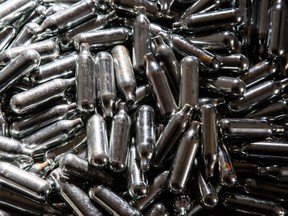
FILE – In this photo illustration some of the thousands of empty canisters of nitrous oxide that were collected at the end of a music festival are seen on October 14, 2015 in Bristol, England. Photo by Matt Cardy/Getty Images
Article content
The U.K. government’s advisory panel on drugs has rejected a call to ban the sale and possession of nitrous oxide — also known as laughing gas or nos — despite the home secretary’s desire to see the drug banned.
Advertisement 2
Story continues below
This advertisement has not loaded yet, but your article continues below.
Article content
In 2021, the then home secretary Priti Patel asked her independent scientific advisers to review the evidence of harm associated with nitrous oxide. The Advisory Council on the Misuse of Drugs (ACMD) has now reviewed the evidence and has notrecommendednitrous oxide be placed under the Misuse of Drugs Act 1971 (MDA), which would have made possession of the drug for non-exempted purposes a criminal offence.
Article content
The current home secretary, Suella Braverman, has made no secret of herviewthat nitrous oxide should be brought under the MDA. One reason for government interest has been its recent policy focus onanti-social behaviour.
Discarded nitrous oxide canisters are a highly visible form of littering, and use is often associated with nuisance behaviour in groups of young people hanging out in public places. Three and a half tonnes of these canisters werecollectedduring last year’s Notting Hill festival alone. Targeting nitrous oxide would provide a clear signal of policy intent
By clicking on the sign up button you consent to receive the above newsletter from Postmedia Network Inc. You may unsubscribe any time by clicking on the unsubscribe link at the bottom of our emails or any newsletter. Postmedia Network Inc. | 365 Bloor Street East, Toronto, Ontario, M4W 3L4 | 416-383-2300
Thanks for signing up!
A welcome email is on its way. If you don’t see it, please check your junk folder.
The next issue of will soon be in your inbox.
We encountered an issue signing you up. Please try again
Article content
Advertisement 3
Story continues below
This advertisement has not loaded yet, but your article continues below.
Article content
Possession of nitrous oxide for legitimate purposes (use as an anaesthetic, or as a catering product) isnot a criminal offence. In their review, the ACMD acknowledged the potential for the drug to produce health and social harms, but argued that classifying the drug under the MDA — and thepenaltiesthis would bring — would be disproportionate, and there was insufficient evidence to justify this.
There are also developments in the U.K., supported by the police, to move away from the punishment of drug possession offences towardsdiversionary interventions, such as drug education, and so the recommendation should also be seen in this wider context.
This is the second time that the ACMD has been asked to review the evidence on nitrous oxide. Thelast review in 2015reached the same conclusion: that it should not be prohibited.
Advertisement 4
Story continues below
This advertisement has not loaded yet, but your article continues below.
Article content
Harms are real but very rare
Nitrous oxide use is not exactly a niche drug, with at leasthalf a millionpeople using the drug every year, making it the second most popular recreational drug after cannabis.
Some neurologists have expressedconcernabout the increasing number of people who have been harmed by the drug. However, these patients tend to be those who have used very large amounts of the drug, often over aprolonged periodof time.
The healthproblemsinclude paralysis and numbness in the hands and feet. Other neurological problems such as memory loss, poor balance and weakness in the arms and legs have also been found — but again, these are very rare.
In some people, these symptoms resolve quickly, but in others, they can persist for weeks or months. Historically, there has been a lack of inquiry from doctors about nitrous oxide use, and a hesitancy for patients to disclose it. Recent publicity has helped to raise awareness of this issue in both patients and doctors.
Advertisement 5
Story continues below
This advertisement has not loaded yet, but your article continues below.
Article content
The ACMD highlighted that restricting access to nitrous oxide would be felt by not just those using the drug recreationally. It has a long history of use as an anaesthetic (“gas and air”), a car-fuel additive, and in catering as a propellant and food preservative.
Recent research has also investigated its use as anantidepressant. If controlled under the MDA, a significant number of people and organizations would be subject to stricter regulations. New laws would still have to facilitate legitimate uses, and resolving this — for example, special licensing of purchasers — would present significant resource and administrative burdens.
Although the ACMD doesn’t recommend controlling the drug under the MDA, they do make some practicalsuggestionsto reduce social and health problems. These include recommending restricting online sales of the drug, through providing health warnings on packaging used for the drug as has been introduced in other countries such as France.
Advertisement 6
Story continues below
This advertisement has not loaded yet, but your article continues below.
Article content
They also suggest that the government considers giving the police more powers to intervene when they suspect nitrous oxide is about to be used for recreational purposes. Local powers such as Public Spaces Protection Orders could also be introduced to prohibit use in public places, with fixed penalty notices rather than criminal records as punishments.
Littering of canisters is an individual responsibility, but could also be addressed through existing powers, and strategies to improve recycling and responsible waste disposal.
Ultimately, the ACMD is an independent body, and while the home secretary is obliged by law to seek their expert advice, she is atliberty to ignore it. Were this to happen, it would be a political decision.
Advertisement 7
Story continues below
This advertisement has not loaded yet, but your article continues below.
Article content
The drugs policy field is not unique in this regard and decision-makers have to balance a range of considerations and competing interests, so issues of politics cannot be ignored. But if the home secretary introduced stricter controls and punishments, any problems associated with the use of nitrous oxide would not simply go away. There is a high level of demand — and, as the ACMD highlights, control under the MDA can have “significant unintended consequences,” and that is no laughing matter.
Ian Hamilton, Honorary Fellow, Department of Health Sciences, University of York
Harry Sumnall, Professor in Substance Use, Liverpool John Moores University
This article is republished from The Conversation under a Creative Commons license.Read the original article.
Article content
Share this article in your social network
Comments
Postmedia is committed to maintaining a lively but civil forum for discussion and encourage all readers to share their views on our articles. Comments may take up to an hour for moderation before appearing on the site. We ask you to keep your comments relevant and respectful. We have enabled email notifications—you will now receive an email if you receive a reply to your comment, there is an update to a comment thread you follow or if a user you follow comments. Visit our Community Guidelines for more information and details on how to adjust your email settings.
Join the Conversation
Advertisement 1
Story continues below
This advertisement has not loaded yet, but your article continues below.
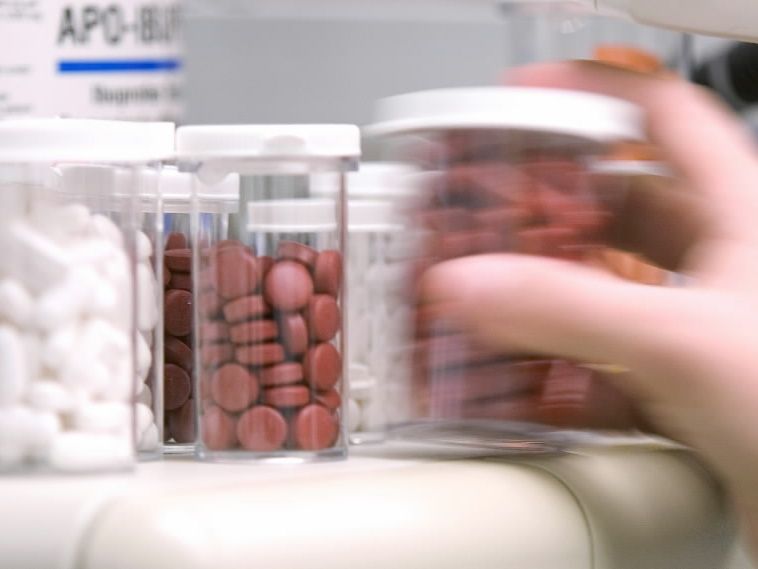
A Canadian pharmacist is facing multiple charges in relation to a Saskatoon drug investigation that began earlier this year and has now resulted in charges against five individuals.
Article content
In January, Saskatoon Police Service charged three men after seizing more than 700 oxycodone pills, 20 kilograms of methamphetamine and eight kilograms of cannabis from two properties. Police also seized nearly $13K in cash and a modified fully automatic Glock 9mm handgun.
Article content
The men, aged 25, 26 and 36, were charged with drug possession and trafficking offences, in addition to several firearms-related offences.
Police executed search warrants at a pharmacy located on the 900 block of Northumberland Avenue, as well as a residence and two vehicles.
Article content
They seized various documentation and pharmacy records, as well as 43 Hydromorphone Contin18 capsules, 85 Dextroamphetamine capsules, 22 Dilaudid capsules, a coffee grinder covered in white powder residue, labels from pharmaceutical bottles, a 2018 Honda Fit and a bolt action .22 calibre firearm.
A review of pharmacy records from September 2022 to January 2023 also revealed more than 24,000 Schedule 1 narcotics are unaccounted for in the pharmacy’s inventory.
The pharmacist, a 41-year-old woman, has been charged with two counts of trafficking in a controlled substance (Schedule 1), two counts of possession for the purpose of trafficking, possession of the proceeds of crime over $5000, unsafe storage of a firearm and failing to hold a firearm license.
The practice involves taking a low dose of a psychedelic drug to enhance performance, or reduce stress and anxiety
Despite the hype around microdosing, the scientific results so far are mixed.Photo by Getty Images
Article content
Microdosing has become something of a wellness trend in recent years, gathering tractionin Australiaandoverseas.
Advertisement 2
Story continues below
This advertisement has not loaded yet, but your article continues below.
Article content
The practice involves taking a low dose of a psychedelic drug to enhance performance, or reduce stress and anxiety.
Article content
While theanecdotal accountsare compelling, significant questions remain around how microdosing works, and how much of the reported benefits are due to pharmacological effects, rather than participants’ beliefs and expectations.
We’ve just publisheda new studyfollowing two earlier studies on microdosing. Our body of research tells us some benefits of microdosing may be comparable to other wellness activities such as yoga.
Existing evidence
It’s not clear how many Australians microdose, but the proportion of Australian adults who have used psychedelics in their lifetimeincreasedfrom 8% in 2001 to 10.9% in 2019.
Advertisement 3
Story continues below
This advertisement has not loaded yet, but your article continues below.
Article content
After a slow start, Australian research on psychedelics is nowprogressing rapidly. One area of particular interest is the science of microdosing.
Inan earlier studyby one of us (Vince Polito), levels of depression and stress decreased after a six-week period of microdosing. Further, participants reported less “mind wandering”, which might suggest microdosing leads to improved cognitive performance.
However, this study also found an increase in neuroticism. People who score highly on this dimension of personality experience unpleasant emotions more frequently, and tend to bemore susceptible to depression and anxiety. This was a puzzling finding and didn’t seem to fit with the rest of the results.
By clicking on the sign up button you consent to receive the above newsletter from Postmedia Network Inc. You may unsubscribe any time by clicking on the unsubscribe link at the bottom of our emails or any newsletter. Postmedia Network Inc. | 365 Bloor Street East, Toronto, Ontario, M4W 3L4 | 416-383-2300
Thanks for signing up!
A welcome email is on its way. If you don’t see it, please check your junk folder.
The next issue of will soon be in your inbox.
We encountered an issue signing you up. Please try again
Article content
Advertisement 4
Story continues below
This advertisement has not loaded yet, but your article continues below.
Article content
Microdosing vs yoga
In astudy, Stephen Bright’s research team recruited 339 participants who had engaged in either microdosing, yoga, both or neither.
Yoga practitioners reported higher levels of stress and anxiety than those in the microdosing or control groups (participants who did neither yoga nor microdosing). Meanwhile, people who had practised microdosing reported higher levels of depression.
We can’t say for sure why we saw these results, although it’s possible people experiencing stress and anxiety were attracted to yoga, whereas people experiencing depression tended more towards microdosing. This was a cross-sectional study, so participants were observed in their chosen activity, rather than assigned to a particular group.
Advertisement 5
Story continues below
This advertisement has not loaded yet, but your article continues below.
Article content
But importantly, the yoga group and the microdosing group recorded similarly higher overall psychological well-being scores compared with the control group.
And interestingly, people who engaged in both yoga and microdosing reported lower levels of depression, anxiety and stress. This suggests microdosing and yoga could have synergistic effects.
Our new research
Through a collaboration between Edith Cowan University, Macquarie University and the University of Göttingen in Germany, our most recent study aimed to extend these findings, and in particular try to get to the bottom of the possible effects of microdosing on neuroticism.
We recruited 76 experienced microdosers who completed a survey before undertaking a period of microdosing. Some 24 of these participants agreed to complete a follow-up survey four weeks later.
Advertisement 6
Story continues below
This advertisement has not loaded yet, but your article continues below.
Article content
The results were published in theJournal of Psychedelic Studiesthis month. We found that like our earlier work, the 24 participants experienced personality changes after a period of microdosing. But the changes were not entirely what we anticipated.
This time, we found a decrease in neuroticism and an increase in conscientiousness (people who are highly conscientious tend to be diligent, for example). Interestingly, a greater amount of experience with microdosing was associated with lower levels of neuroticism among the 76 participants.
Our most recent findings suggest the positive effects of microdosing on psychological well-being could be due to a reduction in neuroticism. And the self-reported improvements in performance, which we’ve also observed in our past research, could be due to increased conscientiousness.
Advertisement 7
Story continues below
This advertisement has not loaded yet, but your article continues below.
Article content
When considered together, the findings of our research suggest contemplative practices such as yoga might be particularly helpful for less experienced microdosers in managing negative side effects such as anxiety.
However, we cannot know for certain if the changes we’ve observed are due to microdosers holding positive expectations because of glowing anecdotal reports they’ve seen in the media. This represents a key limitation of our research.
As psychedelic drugs are illegal, it’s ethically complex to provide them to research participants — we generally have to observe them taking their own drugs. So another key challenge of this research is the fact we can’t know for sure precisely what drugs people are using, as they don’t always know themselves (especially for LSD).
Advertisement 8
Story continues below
This advertisement has not loaded yet, but your article continues below.
Article content
Microdosing carries risks
Given the illegal drug market is unregulated, there’s a danger people could inadvertently consume a potentially dangerous new psychoactive substance, such as25-I-NBOMe, which has been passed off as LSD.
People also can’t be sure of the size of the dose they’re taking. This could lead to unwanted effects, such as “tripping balls” at work.
Potential harms like these can be mitigated by checking your drugs (you can buyat-home test kits) and always starting off with a much lower dose than you think you need when using a batch for the first time.
Where to from here?
Despitethe hypearound microdosing, the scientific results so far are mixed. We’ve found microdosers report significant benefits. But it’s unclear how much of this is driven by placebo effects and expectations.
Advertisement 9
Story continues below
This advertisement has not loaded yet, but your article continues below.
Article content
For people who choose to microdose, also engaging in contemplative practices such as yoga might mitigate some of the unwanted effects and lead to better outcomes overall. Some people might find they get the same benefit from the contemplative practices alone, which is less risky than microdosing.
As a next step, one of us (Vince Polito) and colleagues are using neuroimaging to investigate the effect of microdosing on the brain.
Stephen Bright, Senior Lecturer of Addiction, Edith Cowan University; and Vince Polito, Senior Research Fellow in Cognitive Science, Macquarie University
This article is republished from The Conversation under a Creative Commons license.Read the original article.
Article content
Share this article in your social network
Comments
Postmedia is committed to maintaining a lively but civil forum for discussion and encourage all readers to share their views on our articles. Comments may take up to an hour for moderation before appearing on the site. We ask you to keep your comments relevant and respectful. We have enabled email notifications—you will now receive an email if you receive a reply to your comment, there is an update to a comment thread you follow or if a user you follow comments. Visit our Community Guidelines for more information and details on how to adjust your email settings.
Join the Conversation
Advertisement 1
Story continues below
This advertisement has not loaded yet, but your article continues below.























Comments
Postmedia is committed to maintaining a lively but civil forum for discussion and encourage all readers to share their views on our articles. Comments may take up to an hour for moderation before appearing on the site. We ask you to keep your comments relevant and respectful. We have enabled email notifications—you will now receive an email if you receive a reply to your comment, there is an update to a comment thread you follow or if a user you follow comments. Visit our Community Guidelines for more information and details on how to adjust your email settings.