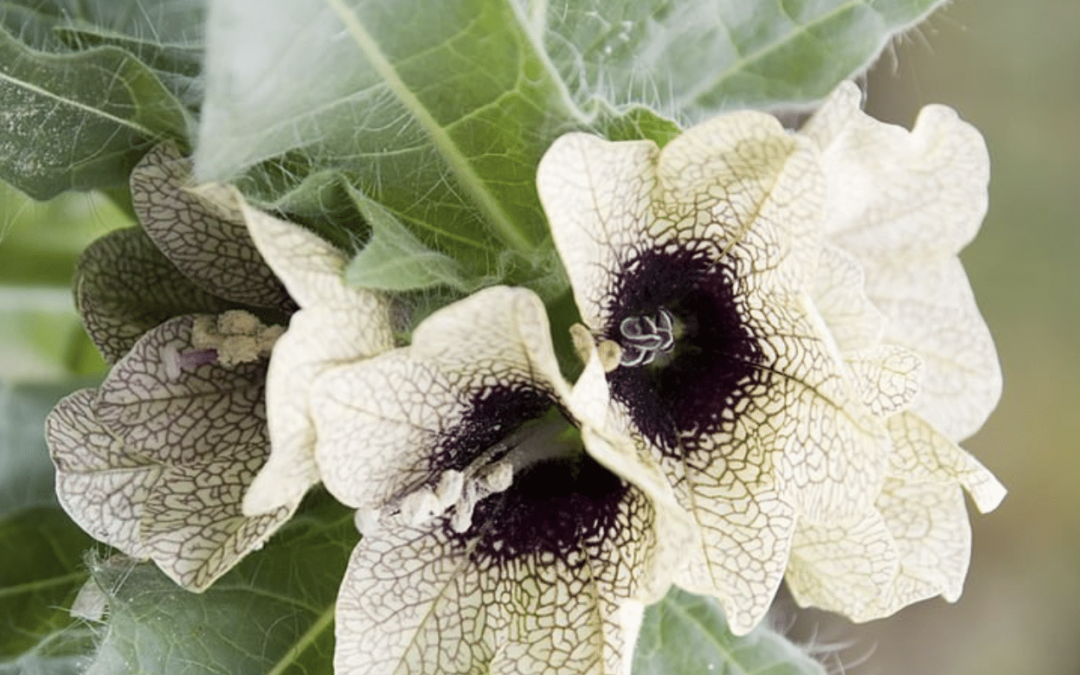
by Grow Up Conference | Jul 22, 2024 | Extraction Magazine, Media Partners
According to the World Health Organization (WHO), nearly 80% of the world’s population relies on herbal medicine for primary healthcare. Among the various plants used, the Hyoscyamus species stand out for their rich phytochemical composition. By understanding these aspects, we can better appreciate the therapeutic potential and safety considerations of using these plants in traditional and modern medicine. The findings highlight the importance of phytochemical research in validating and optimizing the use of herbal medicines for healthcare around the world. [1]
The species of pharmaceutical interest are:
- Hyoscyamus albus L., which with its plant extracts was a medicine traditionally used as an anti-asthmatic and antispasmodic. It is now important for applications in anti-diabetic treatment. [2]
- Hyoscyamus niger L. has a long medicinal history, used as a sedative and painkiller. It treated mental disorders, epilepsy, insomnia, neuralgia, asthma, colic, toothache, and various pains. Seed oil was applied for neuralgic, dental, and rheumatic pain. It also treated bronchitis, conjunctivitis, urinary issues, and more. Since 2016, studies have been conducted in favor of the use of crude extracts for the treatment of pathologies affecting the cardiovascular system. [2]
- Hyoscyamus reticulatus L., was used in asthma, gastric ulcers, for motion sickness and in Parkinson’s disease. It was also used as mydriatic, spasmolytic, analgesic, sedative and as antidote for intoxications of many poisons. Researchers demonstrated that some extract could show antibacterial activity, but not every extraction method performed this efficacy against the most investigated human pathogens. [2]
Extraction Methods
Alkaloids
The sample preparation involves the collection and drying of the plant material (leaves, seeds, roots) which will then be ground into a very fine powder. The crude extract is obtained by dissolving the powder in an acidic aqueous solution (e.g., dilute HCl) or using Soxhlet extraction, then filtering to remove plant debris.
To proceed with the isolation of alkaloids it is necessary to adjust the pH to basic (for example with ammonia). By performing a liquid-liquid extraction with an organic (e.g., chloroform) and drying, the crude extract is obtained. It is possible to recrystallize to obtain pure alkaloids.
Characterization is achieved by confirming the presence of the compounds of interest via TLC and quantifying them via HPLC or MS. Verification can be performed with structural analysis using NMR or IR.
Phenols
Sample preparation always includes collecting and drying the plant material (leaves, seeds, roots) and then grinding it into a fine powder. Extraction is performed by soaking powder in an organic solvent (e.g., methanol or ) using maceration or Soxhlet extraction, then filtering.
To remove non-phenolic compounds, the residue is dissolved in water and separated by partitioning with an organic solvent (for example ethyl acetate). Column chromatography can be used for further purification.
Characterization is achieved by confirming the presence of the compounds of interest via TLC and quantifying them via HPLC or Spectrophotometry. Verification can be performed with structural analysis using NMR or IR.
Phytochemical Composition of The Hyoscyamus Species
Herbal medicine primarily used the leaves of the plant, but also made use of the roots and seeds of the plant.
Preliminary phytochemical analysis showed that Hyoscyamus albus L. contains various chemical constituents, including alkaloids, flavonoids, tannins, terpenes, saponins, carbohydrates, cardiac glycosides, and anthraquinones. Total polyphenol content is 48.54 ± 7.82 mg GAE/g dry weight, total flavonoid content is 27.39 ± 0.87 mg rutin/g dry weight, and total alkaloid content is 1%. The majority of the isolated alkaloids were hyoscyamine (atropine) with percentages of 63.8%, 77.8%, 70.2%, 66.3%, and 80.4% found in the roots, stems, leaves, flowers, and seeds, respectively.
Scopolamine was the second most common alkaloid, with percentages of 4.2%, 9.1%, 16.6%, and 6.4% found in the same locations. The hairy roots of the plant H. albus L. were used to extract sesquiterpene-type phytoalexins, in particular these molecules are antimicrobial and often antioxidative substances synthesized by plants in response to pathogen attack or stress. They help protect plants from infections and enhance their resistance to diseases. [1]
Hyoscyamus niger L. contains 0.06–0.13% tropane alkaloids (hyoscyamine, apohyoscine, scopolamine, skimmianine, apoatropine, α-belladonnine). Root cultures show hyoscyamine at 7.8 ± 1.6 mg/g and scopolamine at 29.97 ± 0.60 mg/g. Various steroidal glycosides and saponins have been identified in seeds, along with lignanamides and non-alkaloidal compounds like hyoscyamide and β-sitosterol.
Hyoscyamus niger L. yielded a number of flavonoids when it was analyzed, including rutin and spiraeoside. The chlorogenic acid, quercetin-3O-glucosiderhamnoside-rhamnoside (QGRR), and rutin in H. niger L. leaves were found at concentrations between 0.4 and 0.0, and 9.2 and 0.5 mg/g, respectively. In the epicalyxes, they measured 3.5±0.4 mg/g dry weight. [1]
Hyoscyamus reticulatus L. contains high levels of the tropane alkaloids hyoscyamine (0.031-0.056% dry weight) and scopolamine (0.011-0.015% dry weight):
- A titration of Iranian samples yielded a hyoscyamine concentration of 0.031% and a scopolamine concentration of 0.025%. [3]
- Turkish leaves had 0.011-0.027% total alkaloids, with leaves containing the highest and stems the lowest. [4]
Ten tropane alkaloids were identified in vitro, including hyoscyamine and scopolamine. Total phenolics were 15.86 mg GAE/g in hexane extracts and 24.25 mg GAE/g in water extracts. The leaves had chlorogenic acid (3.4 mg/g), quercetin-3O-glucoside-rhamnoside (19.9 mg/g), and rutin (8.9 mg/g). [1]
Alkaloid synthesis can be modulated by external factors such as light, heat, altitude, soil structure, and nitrogen content in soil or herbicide applications. It has been reported that there is a negative correlation between soil pH and tropane alkaloids, meaning that the lower the pH, the lower the concentrations of alkaloids produced. In fact, pH increases with nutritional elements very often used in chemical fertilization such as Ca, N, K and P. [5]
Therapeutic Application in Recent Studies
Hyoscyamus species exhibit diverse pharmacological effects.
Anti-Diabetic Effects
Researchers in 2023 analyzed Hyoscyamus albus L. ethanolic leaves extract and identified 18 distinct phenolic compounds. Among these, p-coumaric acid (6656.8 ± 3.4 µg/g), gallic acid (6516 ± 1.7 µg/g), luteolin (6251.9 ± 1.3 µg/g), apigenin (6209.9 ± 1.1 µg/g), and rutin (5213.9 ± 1.3 µg/g) were identified as the most abundant polyphenolic molecules. In the in vitro antidiabetic experiment, the ability of the plant extract to inhibit α-glucosidase and α-amylase activities was examined.
The results indicated that the extract exhibited a higher inhibitory effect on α-amylase compared to α-glucosidase. Additionally, rutin, kaempferol, and quercetin, known for their anti-inflammatory properties, were found in relatively high concentrations in H. albus, suggesting its potential for mitigating and treating chronic human conditions. [6]
Docking simulations revealed that luteolin, fisetin, and rutin exhibited the most promising inhibitory activity against both enzymes, as indicated by their high contrasting inhibition scores. Phenols have been shown to reduce blood glucose levels through various mechanisms, including the downregulation of carbohydrate digestion and intestinal glucose uptake, activation of pancreatic insulin production, stimulation of hepatic glucose release, and facilitation of glucose assimilation in insulin-sensitive tissues. [6]
To further investigate the in vivo antidiabetic effects, an experiment was conducted using induced diabetic mice. The results demonstrated that the plant extract effectively reduced the levels of cholesterol and triglycerides. These findings suggest that H. albus L. may have therapeutic potential for managing hyperlipidemia, a common complication associated with diabetes. This highlights its potential as a natural remedy for diabetes and related conditions. [6]
Cardiovascular Effects
Scholars in 2016 concluded that Hyoscyamus niger L. crude extract caused a dose-dependent fall in the arterial blood pressure of rats under anesthesia. In guinea-pig atria, exhibited a cardiac depressant effect on the rate and force of spontaneous atrial contractions. The cardioprotective activity of the crude powder of the H. niger L. was studied in rats. Many biochemical parameters were evaluated to assess the cardioprotective effect of crude powder extracts in isoproterenol induced myocardial injury. When administered orally for 30 days, the crude powder of H. niger L. aqueous suspension was effective in protecting the heart of rats from isoproterenol-induced lipid oxidation and activation of antioxidant enzymes. [7]
Antimicrobial Activity
Researchers in 2020 determined the antimicrobial activity of the ethyl alcohol seed extract obtained from H. reticulatus L. against some Gram-positive and Gram-negative bacteria and to perform elemental chemical analysis of the seed contents of H. reticulatus by the XRF method. X-ray fluorescence is a non-destructive analytical technique used to determine the elemental composition of materials.
The seeds were ground and prepared for analysis. Standard strains of Salmonella enteritidis, Escherichia coli, Pseudomonas aeruginosa, Staphylococcus aureus, and Yersinia enterocolitica were used to determine the antimicrobial effects of the ethyl alcohol seed extract. The results showed that the ethyl alcohol extract of H. reticulatus seeds used in this study had no antibacterial effects. [8]
However, other authors reported that the alkaloids extracted from the flowers, stems, and roots of H. reticulatus L. and H. niger L. had a strong antimicrobial effect. [8] And even other researchers stated in their study that the methanol extract of the aboveground parts of H. reticulatus had antibacterial activity. [9]
Therefore, it can be said in the first reported study that the antibacterial active substances in H. reticulatus L. seed have not been revealed due to the extraction method or solvent. Appropriate extraction methods can be investigated by determining the active ingredients responsible for the activity in the extract. [5]
References:
- Bonde, Atul Ramesh, and Rukhsana Mahiboob Pinjari. “Therapeutic Importance of Hyoscyamus Species-A Review.” (2023)
- Al-Snafi, Ali Esmail. “Therapeutic importance of Hyoscyamus species grown in Iraq (Hyoscyamus albus, Hyoscyamus niger and Hyoscyamus reticulates)-A Review.” IOSR Journal of Pharmacy 8.6 (2018)
- Souri E, Amin G, Dehmobed-Sharifabadi A, Nazifi A and Farsam H. Antioxidative activity of sixty plants from Iran. Iranian Journal of Pharmaceutical Research. (2004)
- Kartal M, Kurucu S, Altun L, Ceyhan T, Sayar E, Cevheroglu S and Yetkin Y. Quantitative analysis of lhyoscyamine in Hyoscyamus reticulatus L by GC-MS. Turk J Chem. (2003)
- Akbaş, Perihan, et al. “Determination of the content of Hyoscyamus reticulatus seeds by XRF method and antibacterial characteristics of ethyl alcohol extract.” Eskişehir Technical University Journal of Science and Technology A-Applied Sciences and Engineering 21.1 (2020)
- Lekmine, Sabrina, et al. “LC/MS-MS analysis of phenolic compounds in Hyoscyamus albus L. extract: In vitro antidiabetic activity, in silico molecular docking, and in vivo investigation against STZ-induced diabetic mice.” Pharmaceuticals 16.7 (2023)
- Vallabi DE and Elango V. Preliminary studies on cardio protective effect of Hyoscyamus niger Linn in male albino rats. Journal of Chemical and Pharmaceutical Research (2016).
- Chalabian F, Majd A, Mehrabian Saeid, Falahian F. A Study Of Growth Inhibitory Effect of Alkaloids of Two Species of Genus Hyoscyamus on Some Kinds Of Microbes of Skin (2002)
- Bazzaz BS, & Haririzadeh G. Screening of Iranian plants for antimicrobial activity, Pharmaceutical Biology (2003)

by Grow Up Conference | Jul 22, 2024 | Media Partners, Stratcann
Micro cannabis licences were Canada’s most commonly-applied licence type, according to new figures from the agency.
As of March 31, 2024, 109 new cannabis production applications are working their way through the licensing process. Of those, 63 were for micro cultivation and/or processing licences, 42 were for standard, three were for nurseries, and only one was for a medical-only sales licence.
Of those applications, 40 were connected to Indigenous applicants, and 20 were for outdoor production licences.
According to last year’s figures, as of March 31, 2023, 42% of applications in the queue were micro, while 51% were standard, from a total of 151 applications.
Ontario had the greatest number of applicants in the queue as of March 31, 2024 (30), followed by Quebec and BC (both 26) and Alberta (14). Ontario also had the largest number of micro applicants (17), followed by Quebec (14), BC (12), and Alberta (10). The greatest number of Indigenous-affiliated applications were from BC (14).
On a month-by-month basis, the number of applications from April 2023 to March 2024 fluctuated from as many as 17 to as few as six.
As of March 31, 2024, the total number of federal cannabis licence holders in Canada (micro, standard, nursery, medical-only) was 901. Of those, 52 were connected with Indigenous licence holders, and 163 were for outdoor production. This is down from 913 active production licences in Canada as of March 31, 2023.
Of the 901 licences active as of March 31, 2024, just under half (396) are micros and 24 are nurseries, while 447 are standard and 34 are medical-only licences. Twenty-nine of those micros are Indigenous-owned and 69 are outdoor.
Ontario is home to the largest number of federal cannabis licences (274), followed by BC (228), Quebec (188), and Alberta in a distant fourth with 81. BC also has the largest number of micros (101), followed by Quebec (99), and Ontario (82).
The number of new sites licensed declined significantly in the 12 months ending March 2024, with 31 licences issued in April 2023 and just one in March 2024.
Meanwhile, revocations and suspensions have been increasing, with 270 revoked at the request of the licence holder as of March 31, 2024 (since October 17, 2018), eight revoked by Health Canada, and 43 expired, for a total of 321 inactivated licences.
This is an increase from the 166 licences either revoked or expired as of March 31, 2023—146 of these were revoked at the request of the licence holder, while three had been revoked by Health Canada and 17 expired. There were just 17 licences issued in the first three months of 2024, compared to 33 in the first three months of 2023.
Feature image by: Craft Kings Cannabis

by Grow Up Conference | Jul 22, 2024 | Cannabis News Wire, Media Partners
The recent decision by the U.S. Supreme Court to limit the power of federal regulatory agencies has introduced new uncertainty regarding the future of cannabis rescheduling. However, administrative law and policy experts believe that the ambiguity is not expected to hinder the Biden administration’s reclassification process.
In a 6-to-3 decision last Friday, the court ruled that courts are no longer obligated to follow federal agencies’ interpretations of statutes when Congress leaves those interpretations unclear. This ruling effectively ends the Chevron doctrine, named after a 1984 judgment. Historically, courts would defer to regulators as the subject matter experts.
There is speculation about the implication of the Chevron ruling on state-licensed cannabis markets, with questions arising about the future ability of federal agencies to provide nonbinding guidance, such as a new Cole memo. Further, doubts have surfaced regarding the U.S. Drug Enforcement Administration’s (DEA) authority over intoxicating hemp products such as delta-8 THCA and THC.
Paradoxically, the dependence of courts on the Chevron doctrine has hampered earlier attempts to reschedule cannabis. This reliance enabled the DEA to utilize its own criteria in determining that cannabis did not have a recognized medical use.
However, in the ongoing rescheduling process initiated by President Joseph Biden in 2022, the U.S. Department of Health and Human Services (HHS) determined in August 2023 that marijuana does have a recognized medical use based on a new two-part standard. Acting on this advice and an opinion from the U.S. Department of Justice’s (DOJ) Office of Legal Counsel, Merrick Garland, the U.S. attorney general, proposed a rule in May to reschedule cannabis in Schedule III of the CSA.
Chief Justice Roberts noted in his 35-page opinion that federal law requires courts to use their own discretion to decide legal disputes rather than relying on administrative bodies to make decisions.
Other concerns regarding the DOJ’s analysis, which suggests that U.S. responsibilities under international treaties prevent rescheduling, are also covered in the ruling decision. There will likely be legal challenges referencing the ruling in regard to the rescheduling process.
It’s unlikely that ongoing legal actions, including one contesting the legality of the federal marijuana ban, will be immediately impacted by the ruling.
According to former Massachusetts state regulator and attorney Shaleen Title, predictions that the verdict could be used to challenge state marijuana legislation regarding licensing or social justice requirements are, at best, speculative. Meanwhile, others suggested that states might adapt their deference policies in response to the Supreme Court’s ruling, potentially weakening deference and empowering state courts to set standards for marijuana businesses.
The regulatory landscape for marijuana in the United States is still very much in flux, and leading actors such as SNDL Inc. (NASDAQ: SNDL) have plenty to digest, ranging from court decisions that set precedents to state and federal regulations, as they work to operate within established legal boundaries while going about their legitimate business activities.
About CNW420
CNW420 spotlights the latest developments in the rapidly evolving cannabis industry through the release of an article each business day at 4:20 p.m. Eastern – a tribute to the time synonymous with cannabis culture. The concise, informative content serves as a gateway for investors interested in the legalized cannabis sector and provides updates on how regulatory developments may impact financial markets. If marijuana and the burgeoning industry surrounding it are on your radar, CNW420 is for you! Check back daily to stay up-to-date on the latest milestones in the fast -changing world of cannabis.
To receive SMS alerts from CNW, text CANNABIS to 888-902-4192 (U.S. Mobile Phones Only)
For more information, please visit https://www.CannabisNewsWire.com
Please see full terms of use and disclaimers on the CannabisNewsWire website applicable to all content provided by CNW, wherever published or re-published: https://www.CannabisNewsWire.com/Disclaimer
CannabisNewsWire
Denver, CO
www.CannabisNewsWire.com
303.498.7722 Office
Editor@CannabisNewsWire.com
CannabisNewsWire is powered by IBN
by Grow Up Conference | Jul 22, 2024 | Media Partners, Stratcann
Tilray has received the first cannabis cultivation licence issued under Germany’s new Cannabis Act.
The American cannabis company, which operates in Canada, the United States, Europe, Australia, and Latin America, made the announcement on July 22. Tilray’s Aphria RX Facility in Germany was the first to receive such a licence in the country.
In February, Germany passed the German Medical Cannabis Act, expanding the country’s medical cannabis laws. Aphria RX has been present in the medical cannabis space in Germany since March 2019, when the company was awarded a license for the cultivation of medical cannabis in Germany from the German Federal Institute for Drugs and Medical Devices (the “BfArM”).
At the time, the licence allowed for a total of five lots (1,000 kgs) and was the only licensed producer in Germany with permission to grow all three strains of medical cannabis approved by the BfArM.
The new licence, made possible by recent legislative changes in Germany that increased the number of patients and subscribers for cannabis for medicinal purposes, allows the Aphria RX facility to expand its growing capacity. Rather than growing just three cultivars for patients, the company can now grow and sell up to 31.
Tilray says its growing rooms were designed by Kevin Anderson, the master grower behind Tilray subsidiary Broken Coast, located on Vancouver Island in British Columbia, Canada.
“We are thrilled to receive this license as it will provide greater access to some of the highest quality medical cannabis produced in Germany and enable us to expand the range of treatment options available to patients,” says Denise Faltischek, Tilray’s Chief Strategy Officer and Head of International, in a press release. “We appreciate the trust that the German Government has placed in Tilray, and we are proud of our team for their groundbreaking work in medical cannabis cultivation and patient care.”
Germany legalized cannabis this past March, with the law coming into effect in stages. On April 1, personal possession and cultivation became legal. On July 1, the country began allowing cannabis growing clubs. However, the country does not allow the sale of cannabis, except for medical purposes. That bill also made amendments to the country’s medical cannabis laws (MedCanG), paving the way for Tilray’s most recent announcement.
Germany first legalized cannabis flowers for medical purposes in 2017. Although annual domestic production was capped at 10,400 kg, since that time, the amount of cannabis prescribed under the program has steadily increased, fed by imports from countries like Canada. In the first three quarters of 2017, there were just 530 kg of cannabis imported into Germany. By the completion of the first three quarters of 2023, that increased to 14,315 kg
The new licence will allow Germany to better address that growing demand through domestic supply. Anyone who wishes to cultivate, produce, trade, import, export, dispense, sell, otherwise place on the market, obtain or acquire cannabis for medicinal purposes or cannabis for medical-scientific purposes requires a permit from the German Federal Institute for Drugs and Medical Devices.
In addition to Tilray, Canadian cannabis company Aurora and the German company Demecan were first allowed to grow a combined total of 10,400kg of medical cannabis in Germany beginning in 2019.
Reliable data are still lacking, but it is conceivable that the growing demand for medical cannabis is to some degree, driven by people using the drug exclusively or partially for recreational purposes.

by Grow Up Conference | Jul 22, 2024 | Grow Opportunity, Media Partners
by Grow Up Conference | Jul 22, 2024 | Grow Opportunity, Media Partners
by Grow Up Conference | Jul 22, 2024 | Grow Opportunity, Media Partners
by Grow Up Conference | Jul 22, 2024 | Grow Opportunity, Media Partners
by Grow Up Conference | Jul 22, 2024 | Cannabis News Wire, Media Partners
- Lexaria, a global innovator in drug delivery platforms, recently completed dosing of its human pilot study #2, GLP-1-H24-2
- The study is to explore the tolerability, side effects, and blood levels of semaglutide, a glucagon-like peptide-1 (“GLP-1”) drug
- For Lexaria, the results from this study look to validate earlier studies that have demonstrated improvements in the delivery of semaglutide into the bloodstream
- Results from the GLP-1-H24-2 study are set to be announced in late August or early September
Lexaria Bioscience (NASDAQ: LEXX), a global innovator in drug delivery platforms, recently announced the dosing completion of its human pilot study #2, GLP-1-H24-2. Lexaria’s patented DehydraTECH(TM) “drug delivery platform technology” increases bioavailability, improving the way active pharmaceutical ingredients (“APIs”) enter the bloodstream by promoting more effective oral delivery, helping with speed of onset, and brain absorption of APIs. The potential of effective oral delivery of GLP -1 drugs, a class of drugs used to address diabetes and weight loss, represents a vast global market potential for DehydraTECH.
Blood samples collected throughout the study have been transported to the bioanalytical lab for analysis, and the organization looks to complete the analysis and announce the results in late August or early September.
“Lexaria is delighted that our contracted clinical research organization was able to complete the active phase of the study on schedule,” noted Chris Bunka, Lexaria’s CEO. “The results of this Study are expected to validate our earlier work with semaglutide, and also to discover whether it is possible to achieve any absorption of this market-leading GLP-1 drug through the tissues of the mouth,” he added (https://cnw.fm/cFdVf).
This study explored tolerability, side effects, and blood levels of semaglutide, a glucagon-like peptide-1 (“GLP-1”) drug. It also sought to measure blood glucose and insulin levels, highlighting the drug’s potential in treating diabetes and weight loss. The study comprised three primary arms, each of which compared three 7mg semaglutide dose formulations. The first arm was a positive control of Rybelsus(R), the only GLP-1 drug approved by the FDA for oral dosing to treat diabetes and weight loss. The second arm saw the use of Lexaria’s patented DehydraTECH technology in processing semaglutide in swallowed tablets. The last arm was an in-mouth dissolvable DehydraTECH-semaglutide oral tablet, a first in the industry.
This final study arm will be the first to investigate whether DehydraTECH-enhanced semaglutide can be absorbed systemically at any level through the sublingual/buccal tissues of the mouth and throat with fewer side effects than swallowed administration. It takes into account the stomach’s acidic environment, which seriously degrades GLP-1 drugs that are swallowed, resulting in meager blood absorption rates of less than 1% when an absorption technology is not used.
Previous Lexaria studies have demonstrated improvements in the delivery of semaglutide into the bloodstream and in controlling blood sugar. They also demonstrated that DehydraTECH GLP-1 processed semaglutide is generally better tolerated than the Rybelsus(R) tablets themselves, with the latter often resulting in instances of moderate diarrhea and nausea. GLP-1-H24-2 looks to validate these results and more, further pointing to the superiority of its DehydraTECH technology and highlighting its potential in treating diabetes and weight loss.
For more information, visit the company’s website at www.LexariaBioscience.com.
NOTE TO INVESTORS: The latest news and updates relating to LEXX are available in the company’s newsroom at https://cnw.fm/LEXX
About CannabisNewsWire
CannabisNewsWire (“CNW”) is a specialized communications platform with a focus on cannabis news and the cannabis sector. It is one of 60+ brands within the Dynamic Brand Portfolio @ IBN that delivers: (1) access to a vast network of wire solutions via InvestorWire to efficiently and effectively reach a myriad of target markets, demographics and diverse industries; (2) article and editorial syndication to 5,000+ outlets; (3) enhanced press release enhancement to ensure maximum impact; (4) social media distribution via IBN to millions of social media followers; and (5) a full array of tailored corporate communications solutions. With broad reach and a seasoned team of contributing journalists and writers, CNW is uniquely positioned to best serve private and public companies that want to reach a wide audience of investors, influencers, consumers, journalists and the general public. By cutting through the overload of information in today’s market, CNW brings its clients unparalleled recognition and brand awareness. CNW is where breaking news, insightful content and actionable information converge.
To receive SMS alerts from CNW, text CANNABIS to 888-902-4192 (U.S. Mobile Phones Only)
For more information, please visit https://www.CannabisNewsWire.com
Please see full terms of use and disclaimers on the CannabisNewsWire website applicable to all content provided by CNW, wherever published or re-published: https://www.CannabisNewsWire.com/Disclaimer
CannabisNewsWire
Denver, CO
www.CannabisNewsWire.com
303.498.7722 Office
Editor@CannabisNewsWire.com
CannabisNewsWire is powered by IBN
by Grow Up Conference | Jul 22, 2024 | Cannabis News Wire, Media Partners
Congress federally legalized hemp when it approved the 2018 Farm Bill, making the use of hemp as well as its production legal. Legislators who supported the legalization of this industrial crop expected that it would be used for textiles and nonintoxicating supplements such as shelled hemp seeds and CBD oil.
What they didn’t realize, however, was that with some tweaking, hemp could also induce highs when consumed.
Currently, individuals in different parts of the country can get high on THC derived from hemp without breaking the law. These hemp-based intoxicants are every bit as strong as compounds derived from cannabis available in legal states. Individuals who have tried intoxicating compounds from both marijuana and hemp admit that their effects are identical.
To understand how we got here, we looked at basic information on these plants.
Marijuana and hemp are both plants of the genus Cannabis, which are further classified into the species sativa, and indica. Cannabinoids are chemical compounds obtained from Cannabis sativa, with researchers having identified roughly 100 cannabinoids that occur naturally.
Cannabinoids are classified into two categories: those that induce a high and those that don’t.
Hemp contains limited amounts of delta-9 THC and large amounts of CBD. On the other hand, marijuana has high levels of delta-9 THC. THC is one of the two primary compounds found in marijuana, the other being CBD. Unlike THC, CBD doesn’t induce a high when ingested.
In 1937, Congress banned both hemp and marijuana when it approved the Marihuana Tax Act. When this law was overturned by the Supreme Court in 1969, Congress enacted the Controlled Substances Act the following year, effectively outlawing marijuana, hemp and other substances such as psychedelics.
In the 1980s, Jack Herer, a cannabis enthusiast, published a book that discussed how hemp could replace timber and plastic in various applications without causing any harm to the environment and with fewer costs. This began a movement that, decades later, led to the passage of the 2018 Farm Bill.
The bill defines hemp as a Cannabis sativa plant and any part of it with a delta-9 THC concentration of 0.3% on a dry weight basis. While this looks straight forward, it appears that Congress wasn’t up-to-date on cannabinoid research.
As it turns out, one chemist had found a way to obtain delta-9 THC from CBD oil and another intoxicating cannabinoid dubbed delta-8 THC. With the farm bill’s definition in mind, it appeared that it wasn’t illegal to synthesize delta-8 THC from CBD, as long as the process began with a plant that had no more than 0.3% delta-9 THC.
This take was endorsed in 2022 in a ruling issued by the Ninth Circuit Court of Appeals. From this, one may not be far off to surmise that Congress may have accidentally legalized cannabis nationwide. However, marijuana entities such as Verano Holdings Corp. (CSE: VRNO) (OTCQX: VRNOF) are likely to conduct their operations in accordance with state laws since they are less likely to be subject to controversy and conjecture.
About CannabisNewsWire
CannabisNewsWire (“CNW”) is a specialized communications platform with a focus on cannabis news and the cannabis sector. It is one of 60+ brands within the Dynamic Brand Portfolio @ IBN that delivers: (1) access to a vast network of wire solutions via InvestorWire to efficiently and effectively reach a myriad of target markets, demographics and diverse industries; (2) article and editorial syndication to 5,000+ outlets; (3) enhanced press release enhancement to ensure maximum impact; (4) social media distribution via IBN to millions of social media followers; and (5) a full array of tailored corporate communications solutions. With broad reach and a seasoned team of contributing journalists and writers, CNW is uniquely positioned to best serve private and public companies that want to reach a wide audience of investors, influencers, consumers, journalists and the general public. By cutting through the overload of information in today’s market, CNW brings its clients unparalleled recognition and brand awareness. CNW is where breaking news, insightful content and actionable information converge.
To receive SMS alerts from CNW, text CANNABIS to 888-902-4192 (U.S. Mobile Phones Only)
For more information, please visit https://www.CannabisNewsWire.com
Please see full terms of use and disclaimers on the CannabisNewsWire website applicable to all content provided by CNW, wherever published or re-published: https://www.CannabisNewsWire.com/Disclaimer
CannabisNewsWire
Denver, CO
www.CannabisNewsWire.com
303.498.7722 Office
Editor@CannabisNewsWire.com
CannabisNewsWire is powered by IBN



Recent Comments