To find out what is truly individual in ourselves, profound reflection is needed; and suddenly we realize how uncommonly difficult the discovery of individuality is – Carl Jung
It is not possible for you to know what it’s like to be anyone but yourself.
You will never know what it is like to be someone else. You can ponder what it is like but you’re already off to a bad start, because the word “like” doesn’t really mean what it appears to mean.
The word suggets metaphor. What’s that about, one asks?
If all I am capable of knowing is what something or someone is “like,” then obviously I do not have direct access to what it truly is in itself. It’s actual identity remains strangely concealed. Why is this the case?
If I’m astute, I must ask this question, and find out whether there’s a good reason for things to be this way. Maybe if I was able to know what it’s like to be someone else, completely and distinctly, I’d lose the person I take myself to be.
Perhaps I’m here not to know what it’s like to be other people, but to be myself. Isn’t there enough mystery in this?
I can certainly see what I have in common with this or that person, but I’m not so clear on what makes my identity unique. Many people go through life never inquiring into this difference. Most people are afraid of being different from others in the world. It’s a cause of anxiety.
A few people realize the preciousness of individuality, and do their best to augment what it is that separates them from the Crowd. If this attitude is pursued to its extreme, one becomes something of an Outsider, which can lead to feelings of alienation. This in turn breeds its own kind of anxiety.
Sigmund Freud noted that there are basically two forms of anxiety, legitimate and neurotic. Paraphrasing Freud, we can say that there is legimate suffering and neurotic misery. The latter is experienced when we are unable to get approval from other people. We are flooded with guilt over not fitting in and behaving like them. One suffers from a Guilt-Complex.
Alternatively, we can also feel shame for conforming and doing as others do. Shame is not the same as guilt. Simply stated, guilt relates to our infractions against others, whereas shame is generated from within in response to violations committed against the Self.
From this we see that humans are morally divided beings. There are two opposing centers of morality – the superego and the conscience, and we endure a daily tug-of-war between them – between our duties to the world, to others, and our sovereign duty toward ourselves as Selves.
There’s bound to be conflict and pain either way. This is the extraordinary predicament facing humanity. It was the reason for the advent of psychoanalysis. One should be able to seek help when they feel flooded with shame or guilt.
Animals cannot strive to change their behavior. Only human beings have the will and wherewithal to upgrade themselves. Only humans can Individuate, and know it. We change due to the pressures of the world, and because there’s something natural within us that strives for greater understanding and awareness. This organic process behind psychic progress is known as entelechy or teleology. It fascinated Jung as it had Aristotle centuries earlier. Since it is a phenomenon not ordained by the will, suggests that the so-called “unconcious” is not to be dismissed as unimportant and inconsequential.
A simple solution to the problem of guilt is to not do as one likes. Doing as others do helps me fit in, and by fitting in I experience less anxiety. It feels good to belong and get the approval of parents, friends and associates. Life is a lot easier to handle. I don’t stand out, and don’t annoy others by honestly confessing how I see things. They don’t want to know anyway, and I just make a fool of myself trying to be “different.” I don’t want to rock the boat and have people avoid me.
Sadly, this conformist approach doesn’t work. I’m not at peace, because something within bugs me. It’s that pesky existential shame. Every time I act in a way that violates my true inner voice, I am beset with shame. There’s no way to alleviate it until I make the firm decision to be myself and speak honestly about my feelings and ideas. Doing so lessens feelings of shame, but ups my feelings of guilt. What a terrible predicament to be in.
This is the reason so many people today decide to take medication. The stress proves too much and one can no longer cope.
Fast and furious lifestyles and fast and furious cures for all ills. Psychoanalysis was founded to help people who get flooded with guilt or shame. Sky-rocketing rates of medication dependency shows that people just want easy, convenient panaceas for all problems. They do not want to develop emotional intelligence or move beyond a recreational, episodic existence.
But who or what is this “Self” sitting at the center of it all?
That question has plagued science for centuries, and is known as the “Hard Problem.”
Everything material that makes up a human being – the skin, muscle, bone, nerves and little grey cells, etc – cannot be said to be “conscious”. They function but do not “experience” anything. Even the brain, with its grey matter, lobes and neurons, isn’t the seat of any tangible biographical Self. Whatever Selfhood is, it does not seem to have an actual address in time and space.
Recently, however, advances in science have been made. Neuroscientists such as Mark Sohms and others now recognize that what constitutes a Self, isn’t intellect but feeling.
In English we don’t have too many words for feeling. Nevertheless, emotion or feeling is now acknowledged as the center of one’s being. What we know as subjectivity is entirely based upon it.
When we introspect, we willingly turn within, as it were, to assess how we feel about a certain person or situation. We do this constantly. We do it so much that we forget doing it. It’s so natural and effortless. However, according to Sohms, there’s another dimension to take into consideration when it comes to feeling.
There’s another kind of feeling action taking place all the time, that is natural but not willed. It’s what the body itself does to bring us the experiences making us who we are. This is known as introception.
What we know as intellect, thought and reason are, in fact, now understood as epiphenomena of introception or feeling. It’s known that the brainstem conveys feelings from the nervous system and body – up to 80 percent of the information processed by the brain comes from the soma.
As said, the process of introspection holds the key to the Hard Problem puzzle. When we go within our minds, it isn’t to think about things. It’s more a case of checking how we feel about them. We feel how we feel, and do so continually, hundreds of times a day. The object of this interminable self-reflexivity is biopsychic homeostasis. Once achieved we experience pleasure. When not achieved we suffer pain.
This fundamental process gave rise to emotion and also to intellect. It also gave rise to language. As said above, metaphors are a matter of spoken language. When I ask myself what it is “like” to be me, I am really speaking in metaphors. I’m not actually speaking of me at all, but what it’s “like” to be me. Due to the paradoxes of language I’m always talking about something other than what I intend talking about.
This begs the question, do I actually experience being me, or do I experience being something “like” me?
Perhaps there’s no answer to this question. Scholars such as Julian Jaynes and Erich Fromm, etc, insisted that the “me” is a very recent phenomenon. Identity as we know it is a late historical experience. Humans thought very differently in ancient times. Their concepts of “me” and “you” were not the same as ours. Many a Copernican Revolution in consciousess has taken place since the days of old.
There was a time when rational present-day consciousness was not yet separated from the historical psyche, the collective unconscious – Carl Jung
Where is the dividing line between you and me?
Despite the oddities of language and metaphor, most moderns have a continuous biographical sense of being. We intuit a past, present and future, and have personal needs and desires. Our bodies feel real and our memories are certainly ours. We have no difficulty distinguishing ourselves from others.
It might be said that the senses are also an extension of feeling. It’s not normal for us to think of perception as a kind of feeling. This is, however, consistent with the ideas of French philosopher Maurice Merleau-Ponty.
We don’t just see a world of objects, we feel them.
According to philosopher Martin Heidegger, our whole mental and physical make-up is determined by our Being-in-the-World. This state of being presumes a deep symbiosis between self and world. This was axiomatic to both Heidegger and Merleau-Ponty. Moods are, for example, proof of this nonconscious interconnectivity. For these men there is no such thing as a “Hard Problem.” Nor is there any validity to the subject versus object dichotomy, at least not in any hard Cartesian sense.
French philosopher Maurice Merleau-Ponty (1908-1961), explored the deep connections between Self and World. His exceptional work on man as perceiver utterly undermines Cartesian notions of a hard divide between subjects and objects, Self and World. Modern science still has to honor his far-reaching findings.
As Schelling said, hundreds of years ago, the so-called “object” is taken inside the mind, and thereby loses its objectivity. Likewise, the subject is so immersed in the world, that he too ceases to be a pure subject in any definitive sense. Being human, then, is to already be a being that nucleates opposites.
In other words, as the Existentialists see it, my subjectivity is composed of world, and what I call world is composed of Self. Better said, both World and Self are two expressions of a single reality, a single experience. There is certainly no hard distinction between them. Thus, a basic tenet of materialistic science is rendered null and void.
But again, as science now recognizes, what we call the subject is based on feeling. Therefore, what we call senses must be understood as emanations of this basal feeling state. By way of the senses we feel our world. We are selves within our environments and without our place of dwelling there can be no sense of Self.
Realizing this is vital, say the Existentialists, because it is from this “place” of being that we reach out to other people. They too occupy a world. It’s what everyone has in common. What makes people different is how they occupy their place of being. How does one “dwell” where they are? It determines not only how one relates to the rest of humankind, but to oneself as a Self.
The so-called “subject” is, therefore, not to be defined in the Cartesian way. The subject is not what it is because of its distinction from a world of external objects. What we call objects are not set apart from the subject in the way traditionally conceived. This is because every object encountered outside us has an enormous bearing on what we know ourselves as, or what we feel ourselves to be.
Objects in the world stand as all-important coordinates by which we judge our feelings about self and world. They are the means by which Selfhood is oriented. As Schelling held, the objective world is the means by which we become subjects. Similarly, the objective world is intimately articulated to the subjecthood emerging from it. This means that there is something mental about matter and something material about mind. Mind and matter are therfore to be understood as two expressions or polarities of a single principle, that of Spirit.
Friedrich Wilhelm Joseph Schelling (1775-1854) is the world’s foremost forgotten philosopher. His profound ideas have been appropriated by dozens of later thinkers, often without citation.
…withdrawing into ourselves, the perceiving self merges in the self-perceived. At that moment we annihilate time and duration of time; we are no longer in time, but time, or rather eternity itself, is in us. The external world is no longer an object for us, but is lost in us – Friedrich Schelling
Now that science has finally established the constitution of the Self or subject, the Hard Problem is no longer a problem.
The question remains, what does it mean for an individual to experience his or her Selfhood, now that it is something substantial enough to be experienced? Well done science! After hundreds of years the penny has dropped. Thanks for finally confirming that what I experience isn’t just a gas, the vapor of complex mechanical biological and nervous systems.
What I know about “myself” is primarily a matter of feeling. Moreover, the world I find myself occupying is also felt. It is not something standing outside or beyond me. Rather it is encompassed by me. What I call “I” is in the world as world is inside me. It is no longer a thing coldly and impersonally observed from a diistance.
Of course we know that science has never asked “how does one feel about the world?” It asks only what I “know” about it. That’s the new Hard Problem.
Thankfully, progress is being made. Mark Sohms, David Bohm, Iain McGilchrist Michael Gazzaniga, Bruce Lipton, Rupert Sheldrake, and many other top level scientists have sickened of scientism and are far more open to alternative viewpoints and theories about the nature of reality. They are keen to embrace the ideas of Existentialist thinkers and to reconsider the veracity of Cartesianism.
Hundreds of years ago David Hume refuted the foundations of materialistic science, showing that causality is merely a matter of assumption and contingency. His challenge has never been met. John Locke’s doctrine on the fundamental principles of science have long been overturned. Likewise his assessment of the nature of consciousness is also null and void. In other words, materialism is dead, and the top brass know it. It has been panic stations for some time now.
Hardline materialists turn to the lineaments of language in a last ditch effort to hold the fort and salvage what’s left of their bankrupt paradigms. George Lakoff, for example, explores the phenomenon of metaphor, to prove that we are nothing more than creatures of Darwinian evolution.
In Lakoff’s estimation we are simply creatures attempting to orient ourselves in a hostile world. We are subjects relating to wholly independent antithetical objects. In so doing we developed language. Our brains split and we develped communication skills via the Left-Hemisphere. Ironically, his description of the function of the Left-Brain in this regard contradicts his cherished theories on the nature of consciousness and role of language.
This is because the Left-Brain’s foremost job is to reduce and focus on the world before us. This means leaving out a great deal of content, both inwardly and outwardly. It follows that we do not refer to something so necessarily narrow and limited to learn anythjng substantial about reality and consciousness, not unless we’re involved in intellectual chicanery.
Lakoff does not address how our disorientation arose and why language is so “colorful.” Why all the metaphors? Why the displacement suggested in every metaphor? Why all the “likes?”
When we speak, we also listen. The inner monologue is actually more of a dialogue between two inner selves – speaker and listener. Our language is excessively expressive and colorful. Is this due to Darwinian evolution, as neo-materialists profess? Why do we write poetry and love obscure jokes? When violent criminals develop better communication skills, they often cease committing crimes. Why is this?
We’ve noted the peculiar fact that to be “like” something is to not be what one is. Why on earth develop such a language? Why call it “communication?” Why say that nothing is what it is, it’s always “like” something else? When we turn to that something else, it too turns out to be “like” something else.
What on earth is going on? Is anything or anyone known for what it is? Materialism says no!
It seems that we’re back to Kant’s impermeable wall between the known and unknown. Of course, the contradiction looms large. If there’s nothing to know at all, where did the “knower” come from? If life is only about survival and survival skills, why develop such an overwhelming drive to “know” about things if, as Lakoff holds, there’s nothing to know?
Well, this is what one gets when towers are burning. We get ideas that attempt to undermine the purpose for which humans exist. We get preposterous unfalsifiable notions such as String Theory, Multiverses and Virtual Reality, from men of science breaching their own supposedly sacrosanct rules. Science has long been about dogma and smoke and mirror play. It has long avoided the important questions, and has never acknowledged the supreme role of feeling. Indeed it has established itself by utterly negating it.
Centuries have been wasted. Science now finds itself confronted with the questions it previously rejected. What is it to be a Self? How does one express what it is to be a Self? Why create a language that makes the problem even worse, that leads us away from where we want to go?
Fortunately, we can now officially ask – if a thing cannot be known in itself, can it be felt for what it is?
What does the “knower” know and feel about themselves? How does one come upon their understanding? How does the psyche divide itself into subject and object, knower and known? How did our inner dialogue (or autologue) come about? Is the voice we hear inside our heads really our own?
Interesting questions to be sure – best not ask a Cartesian or Materialist for the answers.
Man has developed consciousness slowly and laboriously, in a process that took untold ages to reach the civilized state…And this evolution is far from complete, for large areas of the human mind are still shrouded in darkness. What we call the “psyche” is by no means identical with our consciousness and its contents – Carl Jung
Now that it has been established that feeling is the essence if not the cause of consciousness, a lot of obscure matters are clarified.
It is, for example, axiomatic that feelings cannot be shared.
Certainly, one cannot know what it is like to be another person, and just as certainly we cannot feel like someone else. This is where science gets off. If feeling is the bottom line, as Personalists hold, then they are hermetically sealed, so to speak. It is the individual who feels – who introspects and introcepts. He does so within himself, and for all the color of language he cannot really express his feelings to others. Moreover, the other is caught up experiencing their own feelings, every minute of the day and night. What we share are words and language, not feelings.
Schelling stressed the uniquenss of human beings. He described the age-old teleological movement from unconsciousness to consciousness to self-consciousness.
Only humans are lucidly self-conscious beings.
Indeed, to invent science and ask scientific questions about consciousness and reality presupposes self-consciousness. Therefore, implies Schelling, it follows that self-consciousness is the greatest mystery of all. Odd that it isn’t even considered by most people. This truly holy mystery isn’t important to people as they go about thinking, feeling and acting.
But as said, this is where science gets off. Whatever answers there are to this mystery – the mystery of the Self – they will not be discovered and broadcast collectively.
There is no end to the mystery of the Self. Schelling, Hegel, Blake, Barfield, Buber, Jung and others of their kind knew it. The Self is not a butterfly to be caught, killed and pinned to a board.
Jung would say that whatever one intuits about the nature of the psyche is afforded by the psyche. As he rightly declared, the psyche is not in us. Rather, we are in the psyche.
From MK Ultra and the Unabomber to Maurice Strong and Yuval Harari
by Matthew Ehret
Strange things are happening.
Every few days, it has become customary to hear stories of trains carrying toxic waste derailing in rural food producing regions of the USA, or food processing plants going up in flames.
Meanwhile propaganda justifying the confiscation of property in the name of the greater good advances within the U.S. Environmental Protection Agency and UN Agenda 2030 while too few pay attention. Avowed Malthusians like Mark Carney, or Great Reset co-founder King Charles III advance the idea that humanity’s primary problem is climate change and overpopulation which apparently can only be tackled by radically reducing energy use, food production, and national sovereignty.
Rather than finding a mass movement of resistance towards this attack upon humanity, we have instead seen the spread of new pseudo-spiritual doctrines such as ‘Terror Management Theory’ promoted by evolutionary psychiatrist Sheldon Solomon who was featured in Michael Moore’s recent film Planet of the Humans. In this influential documentary, Solomon states:
“If we are to make progress, whatever that word means, or even to persist as a form of life, we’re going to need to radically overhaul our basic conception of who and what we are and what it is that we value. Because the people… both on the left and on the right that think we’re going to be able to discover more oil, or solar panel ourselves into the future, where life will look pretty much like it does now, only cleaner and better. I think that’s just frankly delusional… The only solution in principle, as Albert Camus put it ‘There’s only one liberty- to come to terms with death’, and thereafter anything is possible. I find that downright inspiring.”
In Solomon’s worldview, the causes of all disasters facing humanity are driven ultimately by our religious and other moral constructs which have simply been made up to avoid the fact of our ultimately meaningless lives and inevitable demise. The solution then, is to replace these destructive out-dated beliefs with a more relevant new scientific religion founded upon the enthusiastic embrace of death.
But how to get to this utopian promised land?
The case of the new film How to Blow Up a Pipeline is just one of many popular mass recruitment tools deployed to re-direct the pent up rage of alienated youth sitting on a decaying system.
[embedded content]
In the case of the class of eco-activists dreaming about blowing up pipelines or eco-terrorists masquerading as ‘technocratic bureaucrats’ romping around Davos and Basel promoting global degrowth, it is worth noting that a consistent body of pseudo-intellectual books and peer-review sociological essays are a pre-condition for this unnatural momentum to tear down the foundations of civilization from either “bottom up” or “top down” directions.
The film How to Blow up a Pipeline was itself a product of the “sociological” book published in 2021 by Swedish eco-terror professor Andreas Malm of Lund University who has made a career advancing the case that human society’s only salvation is to destroy the dirty energy infrastructure sustaining modern life.
“We could destroy the machines that destroy this planet. If someone has planted a time bomb in your home, you are entitled to dismantle it…This is the moral case which, I would argue, justifies destroying fossil fuel property. That is completely separate from harming human bodies, for which there is no moral case…The days of gentle protest may be long over”.
Naomi Klein became famous for her 2007 book ‘Shock Doctrine’ which demonstrated the origins of the IMF Shock Therapy policies in the bowels of CIA MK Ultra, where victims were broken down systemically through electro-shock and other forms of psychological warfare. She is an ironic fan of Malm and has called him “one of the most original thinkers on the subject” of climate change. The fact that Klein’s ardent embrace of radical degrowth and green energy systems would result in murderous economic shock therapy to the Earth’s population is an irony which the author has not reflected too deeply upon at this time.
Canadian climate guru David Suzuki also repeated Malm’s thesis at an Extinction Rebellion event in November 2021 saying:
“We’re in deep, deep doo-doo. This is what [we’ve] come to, the next stage after this, there are going to be pipelines blown up if our leaders don’t pay attention to what’s going on.”
In this essay, I would like to take some time to look at several intellectual stars who have risen to prominence justifying the need to declare war on civilization while at the same time tracing their influence to an infamous character named Theodor Kaczynski and the CIA’s MK Ultra project which ran the largest human guinea pig experiment in human history operating officially between 1953-1974. I will end by contrasting this diseased misanthropic self-mutilation with a healthier paradigm of technology, science, and government.
The Case of David Skribina, Eco-Terrorist Advocate
Throughout his works, David Skribina has advanced his thesis by assuming that mindless evolutionary forces shape technology’s growth as a force of nature ultimately using humans for its aims but with the ultimate destination of enslaving and then replacing humanity itself.
“Technology advances with a tremendous, autonomous power. Humans are the implementers of this power, but we can’t really guide it and we certainly can’t stop it. In effect, it functions as a law of nature. It advances with an evolutionary force, and that’s why we are heading toward disaster… Technology is like a wave moving through the Earth, and the universe. For a long while, we were at the peak of that wave. Now we’re on the downside. Technology is rapidly heading toward true autonomy. Our opportunity to slow or redirect it is rapidly vanishing. If technology achieves true autonomy—we can take Kurzweil’s singularity date of 2045 as a rough guide—then it’s game over for us. We will likely either become more or less enslaved, or else wiped out. And then technology will continue on its merry way without us.”
The Relevance of the Unabomber’s War on Technology
Admittedly, this is a pretty scary concept of technology.
Almost any western observer will recognize this dystopic thesis borrowing from the sci-fi films 2001: A Space Odyssey, Terminator and The Matrix. You might also notice that this theory of the demonic force of technology is shared by transhumanists like Elon Musk, Klaus Schwab, or Yuval Harari (who differ from Skribina only where it relates to the “solution” to this fact. Where one side wishes to go to war with technological civilization, the other side believes that humans must merge with technology in order to “stay relevant”).
After reading some anti-technological treatises by Dr. Skribina, and other critics of industrial civilization, I was surprised to discover that one particular name emerged as a sort of modern prophet and great philosopher by the name of… Ted Kaczynski (aka: the Unabomber). Despite the fact that Kaczynski sits in a supermax prison due to his passion for mailing elaborate bombs to targeted ‘agents of industrial progress’ over the course of 25 years, killing three and injuring dozens, it just so happens that Kaczynski has kept up a superhuman network of pen pals with literally thousands of activist-intellectuals across the western landscape since his arrest in 1996.
Skribina himself has corresponded extensively with Kaczynski since 2003, and has brought Kaczynski’s theories of technology into his classroom for over a decade and wrote the forward to Kaczynski’s 2010 book ‘Technological Slavery’. In 2016, Skribina even described Kaczynski as a “prophet and potentially a kind of savior of humanity and the planet”.
The reason for Kaczynski’s rebranding from terrorist to enlightened intellectual had a lot to do with a 35,000 word manifesto ‘Industrial Society and Its Future’ published in The Washington Post and The New York Times in 1995 (an apparent condition of his pledge to stop murdering people).
Despite the fact that some executives at The Washington Post didn’t feel good about the prospect, none other than the head of the FBI directly intervened to make sure the manifesto was published.
Skribina described the prophet’s strategy in the following terms:
“Kaczynski killed in order to gain the notoriety necessary to get the manifesto into the public eye. And it worked. When it was published, the Washington Post sold something like 1.2 million copies that day—still a record. He devised a plan, executed it, and thereby caused millions of people to contemplate the problem of technology in a way they never had before.”
The manifesto immediately thrust the disjointed former MK Ultra guinea pig into intellectual stardom as he became an eco-anarchist folk hero who was no longer seen as a profoundly sick misanthrope, but rather a prophet of his time.
Ted Kaczynski built his elaborate grand theory upon a simple axiom which essentially equated “technology” with “evil cancer”. This axiom was justified with the following empirical observation: Human civilization, and the associated increases in population levels, could not have happened over the past several thousand years without technological progress (ie: discovered and applied techniques designed to make life better for people).
Fine. No problem there.
Sadly, Kaczynski then presumed a priori and without a shred of evidence that ALL such advances of technology occur only at the expense of 1) freedom of the people and 2) destruction to nature. If we were to chart out this process on a graph, it would look something like this:
Just to be clear: Kaczynski and his disciples have made no allowance for the misuse of technology by folly, corruption, or evil agendas. Adherents of this formula also believe in the unproven pristine existence of the savage pre-industrial human, following the thinking of Rousseau’s doctrine of the noble savage. Despite ample evidence of inter-tribal warfare, cannibalism, and even environmental decay induced by pre-industrial civilizations, these theoreticians prefer to shape their anthropological worldviews on films like Avatar and Fern Gully.
Graph: generated by Alex Epstein and featured in Human Flourishing and Energy Progress https://youtu.be/GFU2vl5pbBA
Embedded within his treatise, Kaczynksi states explicitly that humanity and our technological creations are not actually governed by ideas, or free will but rather mysterious mindless forces animated by pure cold utilitarianism devoid of causal intentions or ideas. Kaczynski states:
“The system does not and cannot exist to satisfy human needs. Instead, it is human behavior that has to be modified to fit the needs of the system. It is the fault of technology, because the system is guided not by ideology but by technical necessity.”
In a 1998 letter to his pen pal Derrick Jenson (whom we will soon find plays an important role in our story), Kaczynski wrote:
“I agree with you that civilization is a curse and should be eliminated — if possible. But unlike you I am not confident that civilization will go down in the reasonably near future. Even just the elimination of the techno-industrial system is very problematic, and we must exert ourselves to the utmost in an effort to assure that it will happen. That is why I strongly disagree with your statement that ‘it is our primary task’ to see that civilization goes down ‘at a minimum cost to human…life.’ I think we have a desperate struggle ahead of us, and if we pull our punches we are sure to lose.”
“If we are ever to get rid of the system, we will have to accept the consequences. The human race will have to pass through fire. When a species becomes too numerous, typically it reaches a point where it suffers a sudden population collapse, through starvation, epidemic, or whatever. The human race should be subject to the same law.”
Since Kaczynski is a follower of Thomas Malthus, let us see how the ‘great economist’ considered managing the useless class of society. In his 1799 Essay on Population, Malthus wrote:
“We should facilitate, instead of foolishly and vainly endeavoring to impede, the operations of nature in producing this mortality; and if we dread the too frequent visitation of the horrid form of famine, we should sedulously encourage the other forms of destruction, which we compel nature to use. In our towns we should make the streets narrower, crowd more people into the houses, and court the return of the plague.”
How Kaczynski and Davos Oligarchs Are of One Mind
One shouldn’t be surprised to discover that the remarks on overpopulation outlined by Kaczynski are similar to the words of former World Wildlife Fund (WWF) president Philip Mountbatten who stated in a 1981 interview with People magazine:
“Human population growth is probably the single most serious long-term threat to survival. We’re in for a major disaster if it isn’t curbed—not just for the natural world, but for the human world. The more people there are, the more resources they’ll consume, the more pollution they’ll create, the more fighting they’ll do. We have no option. If it isn’t controlled voluntarily, it will be controlled involuntarily.”
Davos co-founder and Malthusian high priest of the Great Reset Maurice Strong
At the time, Prince Philip had worked closely with the vice president of the WWF and co-founder of WEF named Maurice Strong, who echoed this sick vision while discussing a “novel he’d like to do”, musing in 1990:
“What if a small group of world leaders were to conclude that the principal risk to the Earth comes from the actions of the rich countries? And if the world is to survive, those rich countries would have to sign an agreement reducing their impact on the environment. Will they do it? The group’s conclusion is ‘no’. The rich countries won’t do it. They won’t change. So, in order to save the planet, the group decides: Isn’t the only hope for the planet that the industrialized civilizations collapse? Isn’t it our responsibility to bring that about?”
Dennis Meadows, a World Economic Forum member and co-architect of the Club of Rome’s infamous “Limits to Growth” report of 1972 (also co-sponsored by Maurice Strong) stated in blood curdling detail his hopes for a “clean” killing off of the global population to sustainable levels in a recent Feb. 2022 interview:
“I hope this occurs in a civilized approach. I imply in a non-public approach. A peaceable approach, however, peace does not imply everyone seems to be joyful. But it surely does imply that the street has been resolved by different means, not violence, which is what I imply. So there are 7 billion folks proper now however we’re going to have 1 billion folks. We now have to return down. I hope it occurs slowly and evenly.”
I suppose that Meadows’ desire for a “slow and even” killing makes him sound a bit more ethical than the more impatient eco-terrorist pathways chosen by Kaczynski, but from a rationally objective standpoint, the difference in opinion between the two men is purely cosmetic.
One billion is the magic number which Meadows and other computer-modelling oligarchs jump on which presumably would warrant a limited amount of freedom to the human grazing cows in this so-called “green” Brave New World.
Now what did the Unabomber’s pen pal Derrick Jensen do in the years following his correspondence with the Unabomber?
Derrick Jensen’s Deep Green Resistance
On top or becoming a guru for the ecology movement in his own right, publishing 50 books promoting eco-activism, Jensen co-founded a California-based eco-anarchy movement with deep penetration into Canada called ‘Deep Green Resistance’ in 2011.
Advocating the complete destruction of major infrastructure around the world in a bid to save nature from humanity, Jensen’s Unabomber-inspired resistance movement outlined its techniques of deploying ‘above grounders’ and ‘below grounders’ in a section called “Decisive Ecological Warfare”:
“The above grounders would work to build sustainable and just communities wherever they were, and would use both direct and indirect action to try to curb the worst excesses of those in power, to reduce the burning of fossil fuels, to struggle for social and ecological justice. Meanwhile, the under grounders would engage in limited attacks on infrastructure, especially energy infrastructure, to try to reduce fossil fuel consumption and overall industrial activity. The overall thrust of this plan would be to use selective attacks to accelerate collapse in a deliberate way.”
The Deep Green Resistance website outlines a five-fold strategy for their above and below grounders:
Strategy A: Engage in direct militant actions against industrial infrastructure, especially energy infrastructure.
Strategy B: Aid and participate in ongoing social and ecological justice struggles; promote equality and undermine exploitation by those in power.
Strategy C: Defend the land and prevent the expansion of industrial logging, mining, construction, and so on, such that more intact land and species will remain when civilization does collapse.
Strategy D: Build and mobilize resistance organizations that will support the above activities, including decentralized training, recruitment, logistical support, and so on.
Strategy E: Rebuild a sustainable subsistence base for human societies (including perennial polycultures for food) and localized, democratic communities that uphold human rights.
In a 2011 recruitment video, various devotees and priests of the Deep Green Cult, including Jensen himself, outline their reasons for going to war on modern civilization:
[embedded content]
One of the cultish devotees featured prominently on the DGR recruitment videos explains candidly that they receive guidance from people involved in the military:
“The reason why we know this strategy can work is that we talk to people who have been involved in the military… and they tell us that going after critical nodes of infrastructure is a classic technique that’s been used hundreds or even thousands of times throughout history to win large scale conflicts and especially asymmetric conflicts.”
Are these eco-terrorists wondering why the American military are helping train them for eco-terrorism? Or perhaps they tell themselves the same thing that the Ukrainian Nazis or ISIS terrorists do, who are also receiving U.S. military support and training as part of their holy wars. Do these eco-terrorists suspect that they might be getting played as pawns on a geopolitical chessboard or do they actually think ‘we will take what we can get from them but we are still the ones in control’?
The Deep Green Resistance also features a news service site with a peculiar section titled ‘Underground Action Calendar’ which explicitly showcases a list of over one hundred cases of successful eco-terror acts against various rail and energy infrastructure systems across the Americas and Europe. The web page’s opening remarks state:
“The Underground Action Calendar exists to publicize and normalize the use of militant and underground tactics in the fight for justice and sustainability. We include below a wide variety of actions from struggles around the world, especially those in which militants target infrastructure, because we believe this sort of action is necessary to dismantle civilization.”
A small sample of the successful sabotage operations is featured below:
Over the past two years a vast array of explosions of food processing facilities, granaries, and train derailments have rained down across North America and Europe.
Is this destruction caused by “underground” eco-terror campaigns?
Certainly ‘above grounders’ like Mark Carney, and other Davos creatures have done no small share of damage to the support system of humanity by forcing through Central Banker Climate Compacts to choke off dirty hydrocarbon energy, declare moratoria on nuclear power across Europe, and oversee the collapse of agro-industrial farms using draconian fertilizer quotas.
inalienable human rights. If a few thousand farmers get eliminated along the way, then that can only be assumed to be a blessing in disguise.
Across the USA, over 1,951 dams were demolished in the past decade, including 57 in 2021. While many onlookers champion this restoration of nature, the destruction to lives caused by the reduction of food production and affordable electricity is devastating.
Bug eating appears to have no limits to its production since Canada’s government has proudly unveiled the world’s largest cricket farm while at the same time declaring war on conventional farming with a threatened 30% reduction in food production by 2030.
In the USA, Biden’s 2023 infrastructure bill pours more money into “appropriate” green energy sources that are of such low quality that humanity’s means of production will collapse resulting in the deaths of millions of people worldwide — this following the US government sabotage of the Nord Stream 2 pipeline.
The Strange Case of Extinction Rebellion
In tandem with Deep Green Resistance, another outfit has grown out of the cynical cesspool of disenfranchised youth energy and billionaire patronage in England named Extinction Rebellion.
Extinction Rebellion co-founder Roger Hallam
Although advocating non-violence on the surface, deeper ideological motives are seen clearly through the actual words of Extinction Rebellion co-founder Roger Hallam who said the following while speaking at an Amnesty International meeting on Feb. 4, 2019:
“We are going to force the governments to act. And if they don’t we will bring them down and create a democracy fit for purpose. And yes, some may die in the process.”
When members began questioning how Extinction Rebellion’s revenue from billionaires (who dominate the capitalist system they so despise) meshes with their modus operandi, Hallam comforted his army of eco-warriors by explaining that the oligarchs have feelings too, and are also suffering from climate depression:
“We’re dealing with people who cry at night, just as we do. We don’t want them to commit suicide. No! We want them to ring us up and give us that million quid.”
“According to Extinction Rebellion documents acquired by Breitbart News, the mega-speculator and financier of so many No-Good Organizations (NGOs), George Soros, topped XR’s list of eco-anxious donors, although the amount he gave was blacked out in the relevant document. Other European funds have come from the Children’s Investment Fund Foundation, which gave no less than £121,140 (about $155,000). This is the foundation of the notorious, mercenary London-based hedge fund, The Children’s Investment Fund Management, founded and run by Sir Chris Hohn. The CEO of this foundation, which has an endowment of over £2 billion, is Kate Hampton, who also serves as Vice Chair of the key European Climate Foundation and a board member of the Carbon Disclosure Project (CDP).”
Another Extinction Rebellion co-founder is Gail Bradbrooke who had formerly worked for King Charles’ Business in the Community/Responsible Business Network which today is an integrated part of the World Economic Forum.
Another patron of Extinction Rebellion is hereditary peer Lord Anthony St. John, merchant banker, and director of multiple mining companies across South Africa. Not only is Lord St. John a vice chair of the All Party Parliamentary South Africa Group in the House of Lords, but is also a leading patron of Television for the Environment. This project was created by the United Nations Environment Program (UNEP) and World Wildlife Fund-UK in 1984. The UNEP was itself created by Davos co-founder Maurice Strong who had also served as the vice president of the WWF. Since 2011, the World Wildlife Fund’s president has been none other than the former Prince (now King) Charles himself.
St John is also on the advisory board of “Successful Green” alongside Peter Merian (director of the Basel Stock Exchange) and Marcelo Cavalho de Andrade, President of the Earth Council Alliance (ECA). The ECA was itself the creation of Maurice Strong in 1992.
Of course, Extinction Rebellion professes peaceful non-violent resistance to the system, just like Deep Green Resistance, but that hasn’t stopped them from calling for filling the airfields of Heathrow Airport with drones in order to disrupt air-traffic controllers and put thousands of lives of passengers at risk.
This is something which would have made Ted Kaczynski proud as his first efforts at terrorism involved a bomb which failed to detonate on a passenger jet in 1979.
It also hasn’t stopped them from including a non-negotiable Net Zero by all governments by… 2025 (ie: an 85% elimination of all carbon dioxide emissions within the next two years). This irrational goal is actually considered a demand that, if satisfied, would result in massive death of people worldwide.
MK Ultra and World Government
In a June 2000 issue of The Atlantic, Alston Chase wrote of Kaczynski’s MK Ultra experience as part of a group of 22 victims selected for their high intelligence:
“From the fall of 1959 through the spring of 1962, Harvard psychologists, led by Henry A. Murray, conducted a disturbing and what would now be seen as ethically indefensible experiment on twenty-two undergraduates. To preserve the anonymity of these student guinea pigs, experimenters referred to individuals by code name only. One of these students, whom they dubbed “Lawful,” was Theodore John Kaczynski, who would one day be known as the Unabomber, and who would later mail or deliver sixteen package bombs to scientists, academicians, and others over seventeen years, killing three people and injuring twenty-three.”
Alston also noted in the Atlantic article that Henry A. Murray, chairman of the Department of Social Relations at Harvard, was himself a fanatical devotee of world government and used “science” to transform the very nature of humankind while working for the OSS, CIA, and Rockefeller Foundation. Writing to his fellow globalist Lewis Mumford, Murray stated:
“The kind of behavior that is required by the present threat involves transformations of personality such as never occurred quickly in human history; one transformation being that of National Man into World Man.”
One important piece of information left out by the Atlantic magazine review was that Murray was not only obsessed with re-programming humanity but was a close collaborator with MK Ultra contractors Margaret Mead and Gregory Bateson who drove their “human reprogramming” project around the use of LSD and psilocybin.
A June 22, 2000 edition of the London Guardian even noted:
“By the late 50s… Murray had become quite interested in hallucinogenics, including LSD and psilocybin. And soon after Murray’s experiments on Kaczynski and his classmates were under way, in 1960, Timothy Leary returned to Harvard and, with Murray’s blessing, began his experiments with psilocybin.”
Here, the author was referring to Murray’s support for Leary’s Harvard Psilocybin Project which ran from 1960-62 (not coincidentally the same period that Kaczynski was going through his drug-assisted transformation) experimenting on large swaths of student guinea pigs and overseen directly by MK Ultra’s Sidney Gottlieb.
How a mathematical whiz kid became a CIA guinea pig and then eco-terrorist
“In his autobiography, Leary, who would dedicate the rest of his life to promoting hallucinogenic drugs, described Murray as ‘the wizard of personality assessment’ who, as OSS chief psychologist, had monitored military experiments on brainwashing and sodium amytal interrogation. Murray expressed great interest in our drug-research project and offered his support.”
In a 1991 presentation titled ‘From Psychedelics to Cybernetics’, Leary described his recruitment to the Harvard program to transform human nature saying:
“In the year 1960, I was invited to come to Harvard University, and I was given a license by them. They asked me to come to Harvard to develop new ways of behavior change. Ha-ha! I didn’t know, and certainly they didn’t know, that that invitation to realize an opportunity to really bring about changes for the human psychology.”
Timothy Leary had been recruited to the cause of re-tooling humanity under a new drug based pagan religion by Aldous Huxley, with whom the Harvard professor collaborated for years. Describing his interaction with Huxley as the two planned this final revolution, Leary wrote in 1983:
“We had run up against the Judeo-Christian commitment to one God, one religion, one reality, that has cursed Europe for centuries and America since our founding days. Drugs that open the mind to multiple realities inevitably lead to a polytheistic view of the universe. We sensed that the time for a new humanist religion based on intelligence, good natured pluralism and scientific paganism had arrived.”
For this new scientific paganism to wash away the pollution of 2000 years of Judeo-Christian civilization, some things must burn down of course.
Cybernetics and the ‘Science of Eugenics’
It is worth holding in mind that these social engineering programs to re-write human nature and induce a global reset of civilization were driven by the ideological underpinnings of Cybernetics (the science of control) as developed by acolytes of Lord Bertrand Russell led by Russell’s disciple Norbert Wiener. Timothy Leary and Bateson were themselves devotees of cybernetics.
In Gregory Bateson, Cybernetics and the Social/Behavioral Sciences, Dr. Lawrence S. Bale discusses Bateson’s leading role in the Macy Conferences on Cybernetics after WWII, and noted his leading role in shaping and infusing this new system of control into anthropology:
“Gregory Bateson embraced the concepts and vocabulary of cybernetics because this interdisciplinary field offered a more rigorous formulation of theoretical concerns with which his work had already been dealing. In fact, Bateson’s biography offers ample evidence that long before he first encountered cybernetic theory, a systems approach to the biology and the behavioral sciences were for him not a foreign concept.”
As this author outlined in ‘The Revenge of the Malthusians and the Science of Limits’ published on Unlimited Hangout, it was Cybernetics that became the chosen conduit for the “reform” of eugenics after 1945 with the same rotten wine made unpalatable by Hitler, repackaged in new wine skins.
Under this new “science”, governing systems formerly associated with the growth of human creativity and defense of freedom became instruments for control.
After World War II, cyberneticists demanded that humanity be modeled upon the analogue of a binary computing system with feedback loops controlled by one center of central command. This would be a sum of parts with nothing metaphysical such as “souls”, “dignity”, “God” or “justice” having any permitted role to play within the closed system process. These were treated as “unscientific” abstractions and nothing more.
It should also be noted that this system was the driving force for the multi-headed monstrosity that came to be dubbed “Transhumanism” by Sir Julian Huxley in 1954 who also served his hereditary masters as a godfather of the modern conservation movement founding the International Union for the Conservation of Nature in 1947 and World Wildlife Fund in 1961. The fact that Huxley was also acting president of the British Eugenics Society during this time should also not be ignored.
The central command structure made possible by cybernetics had found earlier expression in the “World Brain” fantasized by the Fabian Society’s H.G. Wells in 1938.
In his 1901 ‘Anticipations’, Wells had already dictated his grand vision for humanity by describing this eugenics-driven world government as “a new republic”:
“The new ethics will hold life to be a privilege and a responsibility, not a sort of night refuge for base spirits out of the void; and the alternative in right conduct between living fully, beautifully and efficiently will be to die. For a multitude of contemptible and silly creatures, fear-driven and helpless and useless, unhappy or hateful happy in the midst of squalid dishonour, feeble, ugly, inefficient, born of unrestrained lusts, and increasing and multiplying through sheer incontinence and stupidity, the men of the New Republic will have little pity and less benevolence.”
In Aldous Huxley’s Brave New World, this was the transhuman control system above all the test-tube alphas, betas and deltas represented by the figure of Mustapha Mond.
Describing the showdown between the Shakespearean ‘womb-born’ outsider named John Savage and Aldous’ character of Mustapha Mond, we find the kernel of the oligarchical program laid out in its most transparent expression (of course safely hiding behind the veneer of “fiction”):
“‘A New Theory of Biology’ was the title of the paper which Mustapha Mond had just finished reading. He sat for some time, meditatively frowning, then picked up his pen and wrote across the title-page: ‘The author’s mathematical treatment of the conception of purpose is novel and highly ingenious, but heretical and, so far as the present social order is concerned, dangerous and potentially subversive. Not to be published.’ … A pity, he thought, as he signed his name. It was a masterly piece of work. But once you began admitting explanations in terms of purpose – well, you didn’t know what the result might be. It was the sort of idea that might easily decondition the more unsettled minds among the higher castes – make them lose their faith in happiness as the Sovereign Good and take to believing, instead, that the goal was somewhere beyond, somewhere outside the present human sphere, that the purpose of life was not the maintenance of well-being [as the lower forms of happiness and comfort], but some intensification and refining of consciousness, some enlargement of knowledge. Which was, the Controller reflected, quite possibly true. But not, in the present circumstance, admissible.”
Herein lies the rub for those “scientific managers” wishing to control society under “scientific principles”, and here also lies the core issue which poor Ted Kaczynski and his armada of ideological eco-anarchist clones spread across the trans-Atlantic world cannot comprehend. The ‘IDEA’ of science and technology which these oligarchist “scientific social engineers” are committed to is a chimera. It is an idea which only exists within the perverse ivory tower abstractions which have no bearing upon the nature of those systems which they wish to govern like Gods.
The Enduring Problem of Discoveries for Oligarchists
A discovery made in the mind of a Marie Curie, Dimitry Mendeleev, Benjamin Franklin, or Max Planck has the unique effect of creating new spheres of potential to move, discover, and grow in qualitative ways that would have been impossible before their discoveries were made.
For example, prior to the discovery of electricity, humanity’s limits to growth and associated “carrying capacity” were very different from those which the discovery had created after the 19th century.
Once the discovery was made and communicated to others, a new power to direct this force towards beneficial ends was made possible and new inventions could then be created.
Soon, messages which formerly took months to transmit across the ocean now occurred in seconds and the production of useful goods began to occur in ways no one living before the 19th century could have dreamed. More people could be sustained at higher standards of living and where life expectancy had sat below 40 years of age in the USA prior to 1850, skyrocketed to 79 years on average by 2019.
Caption: Contrary to popular belief, the geometric growth of human population since the Golden Renaissance is not evidence that humanity is a cancer, but rather a sign that when we make discoveries and willfully apply the power of ideas in the form of.
Unlike the theorists of Kaczynski and his acolytes, this tendency did not have a “life of its own” as some demonic force, but occurred through an intensive moral fight over ideas, and free choices of individuals to live and even die for their principles.
If an imperial master-class of elites wished to dominate the system under a unipolar world government as the British Empire had desired, then the application of technology would be infused by those perverse intentions to destroy and enslave the masses for the benefit of a few.
Throughout the 19th and early 20th century, this insidious system was better understood as ‘The British System’ of social order which was defined by figures like Jeremy Bentham whose Hedonistic Calculus formed the backbone of today’s Behaviorist economists and Thomas Malthus whose “law of overpopulation” formed the basis of the “dismal science” of the utilitarian cult of transhumanism. British liberalism of Adam Smith, David Ricardo and John Stuart Mill promoted the notion that “value” was rooted in hedonistic impulses to “buy low, sell dear” and avoiding pain to maximize pleasure. Invisible hands were imagined to shape the hedonistic impulses of the market place and national governments were expected to castrate themselves by abrogating their rights to use national banking, protectionism or regulation of private capital in the general welfare.
Behind the ivory tower theories advanced across global universities, the real world application of this system saw a systemic destruction of nations everywhere it was applied, and a worldwide web of dependency under the control of the City of London and British East India Company.
Under British Free Trade and Malthusian population laws, Indian textiles were systemically destroyed and the “Chinese dragon” was subdued with a program of mass opium consumption that would stain the 19th century. With these two targets brutalized, the City of London quickly took control of world textile manufacturers which created a primary export market for southern slave plantation cotton and a new set of addictions began: the addiction to the easy money derived from cheap slave labor from America’s plantations. This proto globalization established a global closed system of controls onto all nations through cash cropping, free trade, speculation, and drugs.
By 1840, over 20% of the British population was employed in textiles under such anti-human conditions that Charles Dickens described in his Tale of Two Cities and other writings. Meanwhile Britain purchased 80% of the cotton produced by the slave states of the USA encouraging an addiction to slave labor, in no way different from the system of dependency overseen by the World Bank and IMF in the days of globalization.
In opposition to this rapacious system, Abraham Lincoln’s economic advisor Henry C. Carey outlined a different concept of world systems that recognized value to be located in the power of creation of each individual citizen and each individual nation state.
“Two systems are before the world; the one looks to increasing the proportion of persons and of capital engaged in trade and transportation, and therefore to diminishing the proportion engaged in producing commodities with which to trade, with necessarily diminished return to the labour of all; while the other looks to increasing the proportion engaged in the work of production, and diminishing that engaged in trade and transportation, with increased return to all, giving the labourer good wages, and to the owner of capital good profits. One looks to increasing the necessity of commerce; the other to increasing the power to maintain it. One looks to underworking the Hindoo, and sinking the rest of the world to his level; the other to raising the standard of man throughout the world to our level. One looks towards universal war; the other towards universal peace…One is the English system; the other we may be proud to call the American system, for it is the only one ever devised the tendency of which was that of elevating while equalizing the condition of man throughout the world.”
Lincoln’s economic advisor Henry C Carey outlined a science of technological progress that stood in direct opposition to the closed system of “population management” of the Malthusian school and the broader British Empire.
In the Lincoln/Carey system of American Constitutional economics, every nation had the obligation to supply their own vital needs by the use of protectionism, regulation, and national banking as seen in Lincoln’s greenbacks. Internal improvements driven by new discoveries, and large-scale infrastructure would allow humanity to always create more energy than the system consumed thereby leaping over the limits to growth.
Henry C. Carey also attacked Malthus by name saying: “Of all contrivances for crushing out all Christian feeling and for developing self-worship, that the world yet has seen, there has been none entitled to claim so high a rank as that which has been, and yet daily is, assigned to the Malthusian Law of Population.”
A century after the Civil War, President Kennedy also took aim at the rot of the closed system ideologues then beginning to latch onto the levers of policy and culture saying: “Malthus argued a century and a half ago that man, by using up all his available resources, would forever press on the limits of subsistence, thus condemning humanity to an indefinite future of misery and poverty. We can now begin to hope and, I believe, know that Malthus was expressing not a law of nature, but merely the limitation then of scientific and social wisdom.”
During his short-lived presidency, Kennedy launched a vast array of energy, transportation, and aerospace projects across the continent of the Americas and offered these tools to Africa where he fought alongside Pan African leaders Kwame Nkrumah and Haile Selassie of Ethiopia to build major hydro electric dams against the will of the JP Morgan steel interests.
Written by Sir Julian Huxley, this manifesto served as a constitution for the new ecology movement which other oligarchs like Prince Philip and Prince Bernhardt of the Netherlands launched that same year. Instead of recognizing the evil misshaping humanity in the imperialist system of exploitation, as had been recognized by Henry Carey, Lincoln, and John F Kennedy, this hereditary elite sought to convince the world that it was technological progress itself which was the intrinsic enemy of nature. These oligarchical ecologists went on to oversee the murder of anti-Malthusian leaders during the 1960s while also establishing new institutions of control such as the Bilderberg group or its junior partner at Davos in 1971. Such organizations became the “controlling nodes” of cybernetics/transhumanist management of humanity over the ensuing 70 years.
WEF ideological guru Yuval Harari and his inspiration H.G Wells both sought to erase the qualitative difference between humans and other forms of monkey.
These Malthusian cyberneticists demanded that humanity be defined by a sum total of alienated and atomized individual particles who all adhere to the assumption that they must either 1) adapt to the reality of technology’s inevitable elimination of humanity’s free will as seen by the sad case of Wells’ devotee Noah Yuval Harari, OR 2) go to war against the system (which they perceive as their intrinsic enemy) in the form of the Unabomber, or billionaire funded activists revolving around Extinction Rebellion, and Deep Green Resistance.
Just as Aldous Huxley imagined a drug called ‘soma’ and entertainment of ‘feelies’ mixed with love-less sex as imperative cultural norms that all subjects in his dystopian novel had to adapt to in a hedonist world of sensualism; the LSD and psilocybin cultural matrix which Huxley devoted himself to (while recruiting Timothy Leary) in conjunction with the new high priests of cybernetics emerging out of MK Ultra would be the necessary foundations for a new era of feudalism and willful depopulation.
World Economic Forum intellectual guru Yuval Noah Harari outlined this Huxleyian view of the supposed inevitable future in a recent speech saying:
“I think the biggest question in economics and politics in the coming decades will be ‘what to do with all these useless people?’ I don’t think we have an economic model for that… the problem is more boredom and what to do with them and how will they find some sense of meaning in life when they are basically meaningless, worthless? My best guess at present, is a combination of drugs and computer games”.
IDEAS, Not Cold Utility, Shapes Human History
Recall the core assumption of Ted Kaczynski:
“The system does not and cannot exist to satisfy human needs. Instead, it is human behavior that has to be modified to fit the needs of the system. It is the fault of technology, because the system is guided not by ideology but by technical necessity.”
In this simple statement, Kaczynski exposed the fact that he denies:
1) Free Will, since the system that has shaped humanity grows exploitatively under its systemic impulse to rape and destroy until freedom and nature are gone, and,
2) The causal role of IDEAS both right and wrong in shaping history.
As much as eco-terrorists like the Unabomber, Andreas Malm, David Skribina, Roger Hallam, or Derrick Jensen would hate to admit it, the fundamental assumptions of humanity, technology and history are IDENTICAL with those of death cultists like Prince Philip, Yuval Harari, and Maurice Strong.
While one side has chosen to adapt to those supposed consequences of technological progress and become alphas in the emergent Brave New World, the other side has simply chosen to go maximum John Savage and burn it all down.
The choice was always a false dichotomy.
This is exactly the nature of the ‘double bind’ trap outlined by Gregory Bateson himself as the basis for inducing schizophrenia among a confused target population. Bateson took note of the effects of schizophrenia that could be induced (often with the assistance of hallucinogenic cocktails) that a victim will often break down into a schizophrenic state when confronted with contradictory messages. For example, we are taught from an early age to “be good to others”. If information is presented that demands we conclude that in order to be good, we must do things that involve killing our fellow humans, then we would predictably feel some form of mental dissonance.
Some people might believe that they must save nature from humanity, as outlined by Huxley’s Morges Manifesto, by influencing the system from above in order to promote policies that justify shutting down industrial civilization, thereby killing billions of people.
Others might encounter the same false claim that “technological growth = evil” and then express their “goodness” by declaring war on industrial civilization from below.
Either way, the effects lead to the same techno-feudal dystopia.
The only way to break the bind, is to change one’s fundamental axioms and recognize that it isn’t technology which is intrinsically good or evil, nor is overpopulation a genuine problem, but rather it is our willingness to tolerate evil ideas shaping the behaviour of technology and political systems that results in those systems turning fascist and collapsing into dark ages.
Elsewhere, though, headlines in the industry continued to look rather grim—at least for the corporate parts of it.
The bad news started in the retail sector, as the national chain Fire & Flower filed for creditor protection, citing “high operational costs and intense competition,” said the Globe and Mail. C3 president George Smitherman said there’s likely more pain ahead this year in the form of bankruptcies and job losses, unless changes are made to help the industry.
Cannabis producer Atlas Global announced layoffs for 50 employees this week as the company says it plans to relocate from Gunn, AB, to Chatham, ON. Kieley Beaudry of the Alberta Cannabis Micro License Association called it another sign of how hard things are becoming. “We have not yet seen the bottom,” Beaudry told the CBC. “The balance sheets do not look good.”
Police in Chatham Kent investigating an arson at a True North Cannabis Co. store in Wallaceburg, Ontario. Police said the fire was contained and that there were no injuries.
Aleafia Health is being bought out by Red White & Bloom Brands. Both companies are based out of Toronto, though RWB’s focus is mainly on the U.S. markets. Aleafia CEO Matt Sale said the acquisition was largely meant to repair their balance sheet and pivot them toward American markets a bit more.
TerrAscend has sold its Mississauga head office, reports MJBizDaily. If you think cannabis is a tough business, try being in commercial real estate right now: the building reportedly went for around $4.5 million under the asking price.
A former Director General of Health Canada’s Non-prescription and Natural Health Products Directorate who is now running a consulting service wrote an opinion piece outlining what he says are the lessons the US should learn from Canada’s efforts to create a regulatory framework for CBD.
In light of the industry’s challenges, Rami El-Cheikh penned an op-ed in the Toronto Star this week declaring it a “make-or-break year for Canada’s cannabis industry.” The report seemed to channel the vibes at this year’s Lift Expo—gone is much of the exuberance that once dominated these events, replaced with a feeling of anxious worry, it seems.
In First Nations cannabis news, a Mississaugas of the Credit First Nation man who operates a cannabis store in Toronto without a license, claiming traditional rights, is one of the driving forces behind the court challenge of the First Nation’s recently-adopted constitution.
And on The Big Story podcast this week, Akwasi Owusu-Bempah was a guest to discuss the question of whether it is time to re-write the Cannabis Act.
In less bearish business news, a small grower-owned processor in West Kootenay marked its first delivery this week, according to the Valley Voice. The small company of 12 employees, called Antidote Processing, is mainly focused on processing raw materials from local craft growers, and is optimistic about the craft industry “as all these big players are closing their doors and crumbling, but we have the culture, the ethos and energy of legacy growers.” said their CEO Shannon Ross.
Amidst their fight with local law enforcement (and a week after being denied an exemption from certain regulations by Health Canada), the Victoria Cannabis Buyers’ Club met with the regulator this week, reports Capital Daily. According to VCBC, Health Canada was interested in hearing about “how they could make their [medical cannabis] program more like ours,” said Ted Smith, calling the meeting “ironic.”
Down in the United States, Tilray is being sued for dropping plans to run a line of Bob Marley-branded cannabis products. Docklight Brands claims that a Tilray subsidiary stopped paying them royalties sometime after their 2021 merger with Aphria. That in turn meant that Docklight couldn’t pay the Bob Marley estate. One must wonder what the man himself would have thought about this kind of ultra-corporate tomfoolery.
And finally, a team of French researchers claims to have produced a drug to help combat cannabis dependency. The drug apparently works by preventing THC from binding to the endocannabinoid system—similar to how Naltrexone works on opioids. It’s early days, but the researchers believe this could present a novel way of approaching cannabis dependency.
“You will never be happy if you continue to search for what happiness consists of. You will never live if you are looking for the meaning of life.”
~ Albert Camus
It is best I think, to not spend one’s precious time in this life in pursuit of things that have never been known, and cannot be known. Both the beauty and ugliness of life are in the moment; real life is meant to be lived, not dissected and pondered to find some ultimate or secret meaning. This is not to say that individual responsibility should be abandoned, but it is to say that one knows not what his life will bring, what suffering will occur, what riches might be gained, what natural happiness is possible, or when he will wither and die. To waste this life in pursuit of future wishes, to live by hiding from yourself in favor of the collective crowd, to destroy your individual spirit and time on this earth in hopes of eternal bliss; is to seek an escape from this reality that is your very existence. That is not the way to confront and conquer conflict, to gain inner peace, to experience love and nature, or to be a motivating influence for those you cherish and those who may be moved by your presence.
The individual that I often speak of, is of tremendous importance, as one can never change or improve others, he can only grow and improve self. One cannot live for others, he can only live for self. This requires less exposure to the crowd, and more individual solitude, so that an enormous amount of energy is not squandered simply attempting to fit in or to feel ‘normal.’ Each and every one of us is unique, and the only way to know and be ourselves, is to break away from the insanity, the intensity, the chaos, the evil, and absurdity of life in this world, and discover who you really are, and become that person. This is a vital step in any effort to find truth, whether or not that truth is desirable. Once truth is accepted, it cannot be discarded, and this lays the foundation for the individual to face and embrace life fully, and without anxiety.
Many tend to shun the philosophical aspects of life, and choose to avoid becoming an individual, the person they really are; in order to escape reality for the perception of what is expected. This is a refusal to be yourself, and therefore, you live only in order to survive and obey, which is not living at all. This leads to an empty life, and one that is more likely to be filled with despair, depression, loneliness, uncertainty, and a lack of confidence. If ever there were to be a contagious ‘virus’ pandemic, it would be that the bulk of society has forsaken the sanctity of self, and of the individual; in favor of the falsely perceived safety and anonymity of the collective herd, where effortless fictitious contentment and pity reside.
I bring up this matter because this is the world that has been created, and for the most part accepted, by that large segment of society that is referred to as the masses. They have allowed a ruling class and its governing system to divide them, to abuse them, to steal from them, to control them, and to murder them; all with little defiance. The masses make up the bulk of humanity, and therefore, are the most important and vital part of society, but once they live and act as one mob, they become irrelevant in the cycle of life. They become easily controlled to such an extent as to be tossed aside, treated as a shepherded flock to be sheared and slaughtered, instead of being respected for their independent strength and resolve in the face of adversity.
Many will always gravitate to this lowly position — many more will be secretly against this acquiescence to authority, but will succumb to it in order to fit in and avoid conflict — while some will speak out, but only when protected by numbers, and only until State resistance becomes more aggressive. This is societal mediocrity at its most base level, and the scourge of mankind. Only the very few will fight against this assault to the end, and stand against State tyranny as individuals, whether alone or en masse. They accept the risk of all others, with the full understanding that most will run and hide, and continue to obey their chosen masters.
What all this boils down to, is that the State, (rulers and government) while always the enemy of the people, can only be the antagonistic master over society if the people at large allow this to be so. The State has no power other than that given to it by a supporting, submissive, and lethargic population, but so long as the individual steps to his own music, lives every moment of life as if he is forever free, and disregards the horde of naysayers whose only objective is repetitive boredom and a safe existence, he will be saved from eternal enslavement of his body and mind.
Only when one lives life to the fullest, disregarding the inclination to understand the meaning of it all, and embraces every moment as an opportunity to be free of the rule of others, and free of their thoughts and opinions, can he truly become the owner of himself. He is then the epitome of the free man. He is honestly happy, is a light for others, and is an example of what can be achieved as opposed to what is feared by most. The essence of being, lies in the individual spirit of man, not in the cluttered universe of the crowd and their eternal fear, their confusion, their attempts to escape responsibility, and their ignorance.
Few have lived their life without regret, but that does not have to be so. Become what you are.
“What, if some day or night a demon were to steal after you into your loneliest loneliness and say to you: ‘This life as you now live it and have lived it, you will have to live once more and innumerable times more’ … Would you not throw yourself down and gnash your teeth and curse the demon who spoke thus? Or have you once experienced a tremendous moment when you would have answered him: ‘You are a god and never have I heard anything more divine.”
Social equity has been a major part of America’s state-level cannabis reform over the past decade. People of color were significantly more likely to be arrested for cannabis-related offenses and receive harsh sentences compared to White people throughout the entirety of the drug war despite similar use rates.
As a result, entire Black and Brown communities were decimated, sending multitudes of parents and breadwinners to prison for relatively tame offenses and saddling them with criminal records that made it difficult to integrate back into society. Furthermore, entire generations of children were forced to grow up in poverty as their parents were either incarcerated or couldn’t secure proper employment due to their criminal records.
Most states with cannabis programs now have social equity provisions that give applicants from communities that were disproportionately affected by the drug war a slight advantage in the growing cannabis industry. Whether it’s directing a percentage of cannabis taxes to these communities or giving them a leg-up in the cannabis sector, these provisions are meant to alleviate some of the harms caused by the drug war.
In New Jersey, cannabis regulators are looking to boost social equity by allowing only people with prior cannabis convictions to receive certain marijuana licenses for 12 months. This move is meant to increase the number of social equity applicants running retail marijuana establishments in the state, especially individuals with prior marijuana-related convictions or those residing in economically disenfranchised regions of the state.
The New Jersey Cannabis Regulatory Commission announced last week that from September 12, 2023, it will only accept applications for wholesale, distribution and delivery licenses from social equity applicants for an entire year. According to Commissioner Charles Baker, the regulator made the move to support social equity applicants because the state has done little to support these individuals since New Jersey’s recreational cannabis market launched in April 2022. He noted that businesses run by people who were disproportionately affected by the drug war don’t seem to be making it through the license application process.
During last week’s meeting, agency officials noted that less than 250 applicants out of 947 social equity applicants had received approval by the start of the year. For 12 months starting on September 27, license applications by individuals who don’t qualify for social equity status will be automatically rejected. However, this will not include individuals applying for manufacturing, retail or cultivation licenses as well as businesses owned by veterans, women and minorities.
As these social equity license applicants obtain approval by the state, they could have a chance to deploy modern equipment such as the microgardens made by Advanced Container Technologies Inc. (OTC: ACTX) to optimize their cultivation and increase their chances of turning a decent profit from their state-legal cannabis businesses.
NOTE TO INVESTORS: The latest news and updates relating to Advanced Container Technologies Inc. (OTC: ACTX) are available in the company’s newsroom at https://cnw.fm/ACTX
About CNW420
CNW420 spotlights the latest developments in the rapidly evolving cannabis industry through the release of two informative articles each business day. Our concise, informative content serves as a gateway for investors interested in the legalized cannabis sector and provides updates on how regulatory developments may impact financial markets. Articles are released each business day at 4:20 a.m. and 4:20 p.m. Eastern – our tribute to the time synonymous with cannabis culture. If marijuana and the burgeoning industry surrounding it are on your radar, CNW420 is for you! Check back daily to stay up-to-date on the latest milestones in the fast -changing world of cannabis.
To receive instant SMS alerts, text CANNABIS to 21000 (U.S. Mobile Phones Only)
Please see full terms of use and disclaimers on the CannabisNewsWire website applicable to all content provided by CNW420, wherever published or re-published: http://CNW.fm/Disclaimer
Do you have questions or are you interested in working with CNW420? Ask our Editor
Researchers from Compass Pathways PLC (NASDAQ: CMPS) have commenced the largest-ever phase 3 clinical trial investigating the effectiveness of psilocybin against depression. The mental health company first announced the phase 3 program in late 2022 during an online Capital Markets Day.
Compass Pathways’ phase 2b study on the therapeutic potential of psilocybin against depression provided encouraging results and allowed the company to move forward with the next phase of research. Like the recently commenced phase 3 trial, the phase 2b study made history as the largest double-blind, controlled and randomized study of psilocybin therapies.
It showed that patients with depression could experience a “significant reduction” in the symptoms of depression within three weeks of taking a single COMP360 psilocybin dose. This phase of research was designed to grant scientists a deeper understanding of the safety and efficiency of a single 25 or 10 mg COMP360 psilocybin dose compared to a 1 mg dose of a conventional depression treatment.
A few months after the completion of this phase, Compass Pathways announced that it was scheduled to begin the third phase of clinical trials. The ongoing phase 3 clinical trial is now looking into the efficiency, tolerability and safety of using psilocybin as a therapy for treatment-resistant depression.
Psilocybin is part of a group of compounds called hallucinogenics that have recently captured the scientific community’s attention due to their therapeutic potential. After being outlawed for decades, psychedelics have exhibited the potential to treat numerous mental disorders in initial studies.
The research being carried out by companies such as Compass Pathways will potentially pave the way to adopting psychedelic therapies into current mental health treatment protocols. Compass Pathways began recruiting participants for its COMP 005 trial in late 2022 and began tests in January 2023 with 378 participants.
The study is looking to compare the effects of taking a 25 mg dose of synthetic psilocybin alongside psychological support with taking a placebo and is expected to wind down in October 2024. The mental health care company then began enrolling participants for its second COMP 006 study this February.
This study will involve 568 participants taking either 1 mg, 10 mg or 25mg of COMP360 at random with the aim of determining if a second dose of psilocybin can expand the pool of people who reported positive responses in comparison to the phase 2b study.
It is also designed to determine if repeated 10 mg doses of COMP350 can deliver a “meaningful treatment response” and is expected to end by May 2025.
About PsychedelicNewsWire
PsychedelicNewsWire (PNW) is a specialized content distribution company that (1) aggregates and distributes news and information on the latest developments in all aspects and advances of psychedelics and their use, (2) creates PsychedelicNewsBreaks designed to quickly update investors on important industry news, (3) leverages a team of expert editors to enhance press releases for maximum impact, (4) assists companies with the management and optimization of social media across a range of platforms, and (5) delivers unparalleled corporate communication solutions. PNW stays abreast of the latest information and has established a reputation as the go to source for coverage of psychedelics, therapeutics and emerging market opportunities. Our team of seasoned journalists has a proven track record of helping both public and private companies gain traction with a wide audience of investors, consumers, media outlets and the general public by leveraging our expansive dissemination network of more than 5,000 key syndication outlets. PNW is committed to delivering improved visibility and brand recognition to companies operating in the emerging markets of psychedelics.
To receive instant SMS alerts, text “Groovy” to 844-397-5787 (U.S. Mobile Phones Only)
Please see full terms of use and disclaimers on the PsychedelicNewsWire website applicable to all content provided by PNW, wherever published or re-published: https://www.psychedelicnewswire.com/Disclaimer
Do you have questions or are you interested in working with PNW? Ask our Editor
Mass spectrometry (MS) is an efficient technique used to study plant metabolites and their qualitative and quantitative determination.
Scientists and cannabis growers use the combination of mass spectrometry and other analytical techniques in order to study and clarify the differences in composition of cannabis strains. Knowing the chemical composition of each chemovar can help refine the breeding of cannabis plants, develop new cannabis products, and examine the effects of cannabis on human health.
What is Plant Metabolomics?
Plant metabolomics is a field of study relating to the overall chemical profile of a plant. This can mean the changes in the chemical composition of a plant as it grows or the differences in the chemical composition of different strains of cannabis. One can also use plant metabolomics to study the effects of environmental conditions on the chemical composition of cannabis plants. [1]
Analytical techniques such as nuclear magnetic resonance (NMR), mass spectrometry (MS) and chromatographic techniques constitute the metabolomic tools to identify plants composition and study the variations of active plants constituents.
Plant metabolomics is crucial to the cannabis industry because it is used to improve plant breeding, study the effects of cannabis on human health, and develop new cannabis products
Plant metabolomics can help identify genetic markers that are associated with the production of different cannabinoids and terpenes. With this information, growers can breed cannabis plants that have the desired chemical profile, with improved quantities of a particular cannabinoid or specifically tuned to treat a peculiar medical condition.
Plant metabolomics also contributes to the study of the plant effects on human health and their biological action and interaction with our body.
What is Mass Spectrometry?
MS uses an electric field to separate charged molecules based on their mass-to-charge ratio. Through this analytical technique scientists can identify the different compounds in a sample.
The mass spectrometer consists of three main components:
The ionization source ionizes the sample, converting it into gas-phase ions.
The mass analyzer separates the ions by mass-to-charge ratio.
The detector measures the intensity of the ions.
There are many types of ionization sources, each with advantages and disadvantages. The most common type of ionization source is electron ionization. The ions of the components of the sample are produced by high-energy electrons interacting with the sample gas or solid phase atoms and molecules.
The mass analyzer separates the ions by mass-to-charge ratio. The most commonly used one is the quadrupole mass analyzer. It contains four parallel rods connected to an electric field. The ions pass through the quadrupole mass analyzer but only ions with a specific mass-to-charge ratio can pass through the field.
The detector measures the intensity of the ions and the most popular one is the electron multiplier, which amplifies the signal of the ions, making it possible to take a measure. [2]
MS is a valuable tool for scientists and it is used in many fields, including chemistry, biology, medicine, and forensic science.
How is Mass Spectrometry Used in Cannabis Analysis?
MS is often used to study the chemical composition of cannabis plants, as it can be used to identify and quantify the different cannabinoids, terpenes, and other compounds that are present in the plant.
This kind of analytical methodology is widely applied in the metabolomics analysis and in the cannabis industry it can be applied in different operations:
Potency testing: MS can accurately measure tetrahydrocannabinol (THC) and cannabidiol (CBD) levels present in cannabis products ensuring the desired potency;
Contaminant testing: the presence of contaminants, such as pesticides, heavy metals, and mold can be detected in order to ensure a safe production of cannabis derivatives;
Strain differentiation & research: the chemical profiles of different cannabis strains can be identified, in order to define the specific characteristics, like flavors or effects associated to each chemovar and the biological activity on human body. [3]
Conclusion
The application of mass spectrometry to plant metabolomics has the potential to revolutionize the cannabis industry, leading to the improvement of existing strains, the development of new cannabis strains and products, and the discovery of new cannabinoids with therapeutic potential.
Sources:
[1] Jorge, T. F., Mata, A. T., & Antonia, C. (2016, October 28). Mass spectrometry as a quantitative tool in plant metabolomics. Phil. Trans. R. Soc. A., 374. 20150370
[2] Urban, P.L. (2016). Quantitative mass spectrometry: An overview. Philosophical transactions. Series A Mathematical, physical, and engineering sciences., 374(2079). https://doi.org/10.1098/rsta.2015.0382
[3] Nie, B., Henion, J., & Ryona, I. (2019, May). The Role of Mass Spectrometry in the Cannabis Industry. Journal of the American Society for Mass Spectrometry, 30(5), 719-730. 10.1007





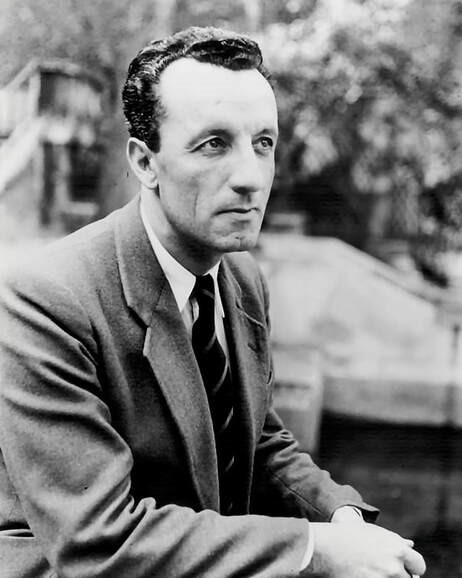
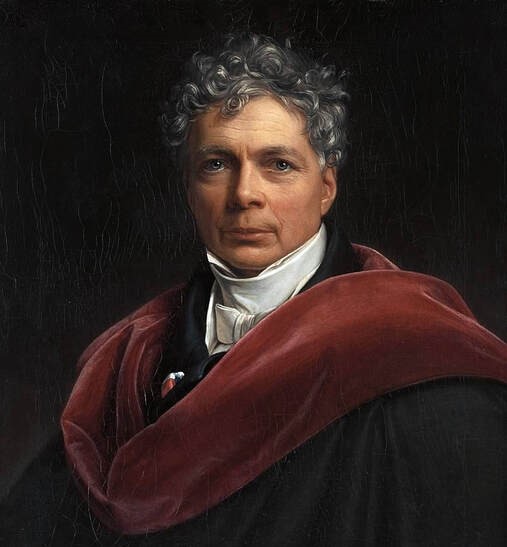

 Copyright © 2020 Unslaved Podcast, All rights reserved.

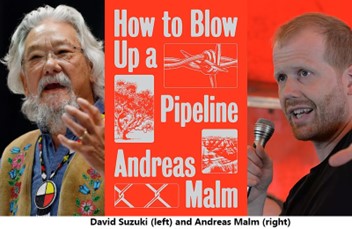

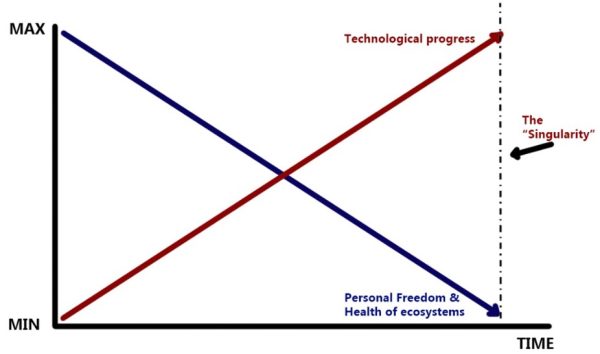
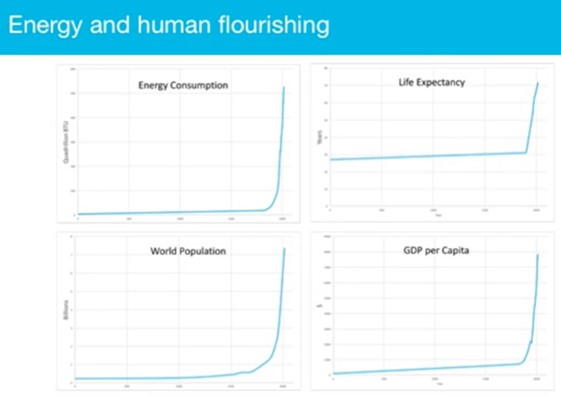
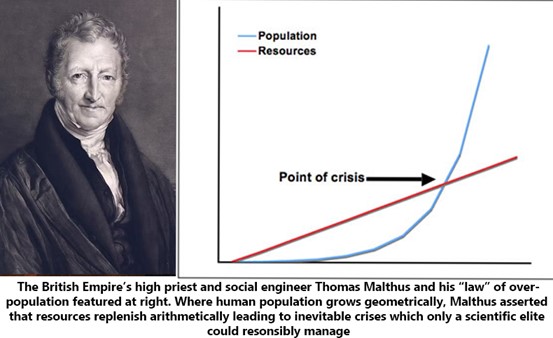

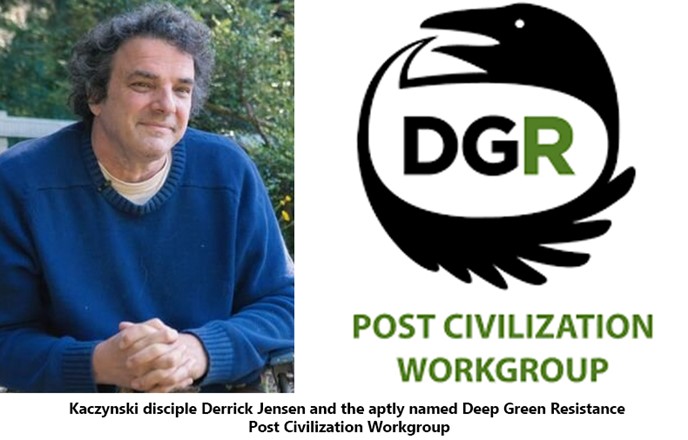
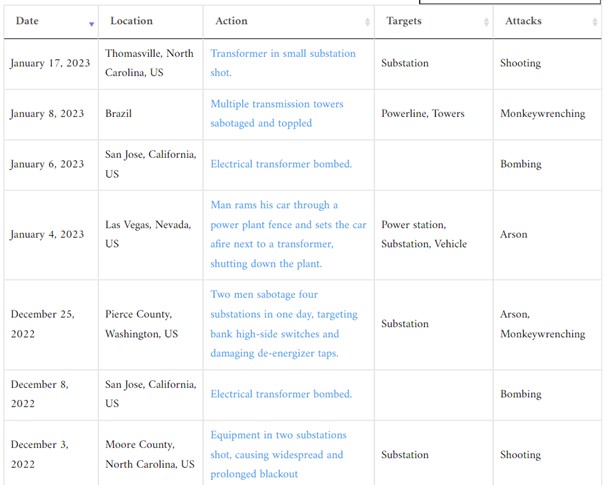
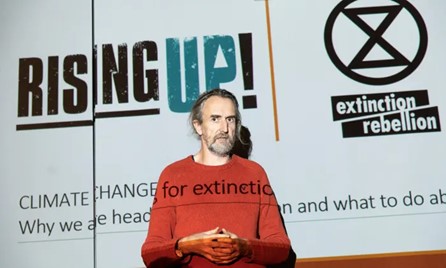

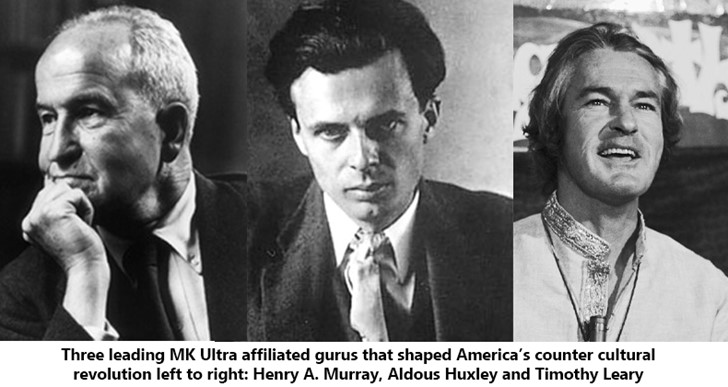
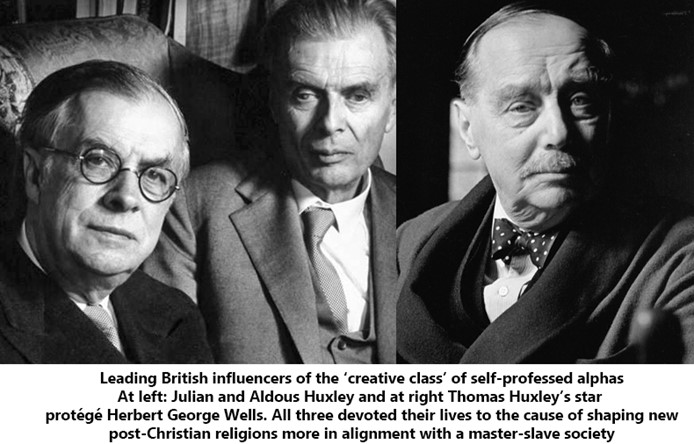
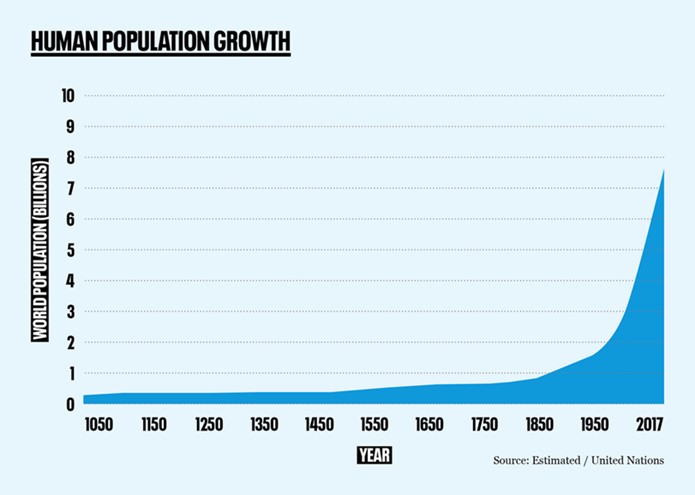
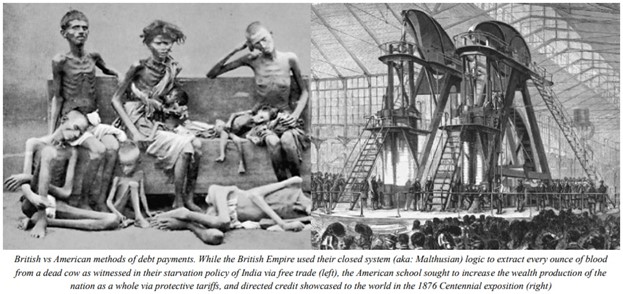
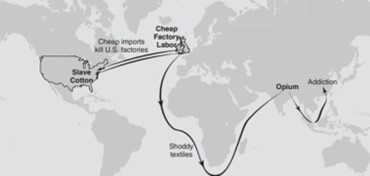
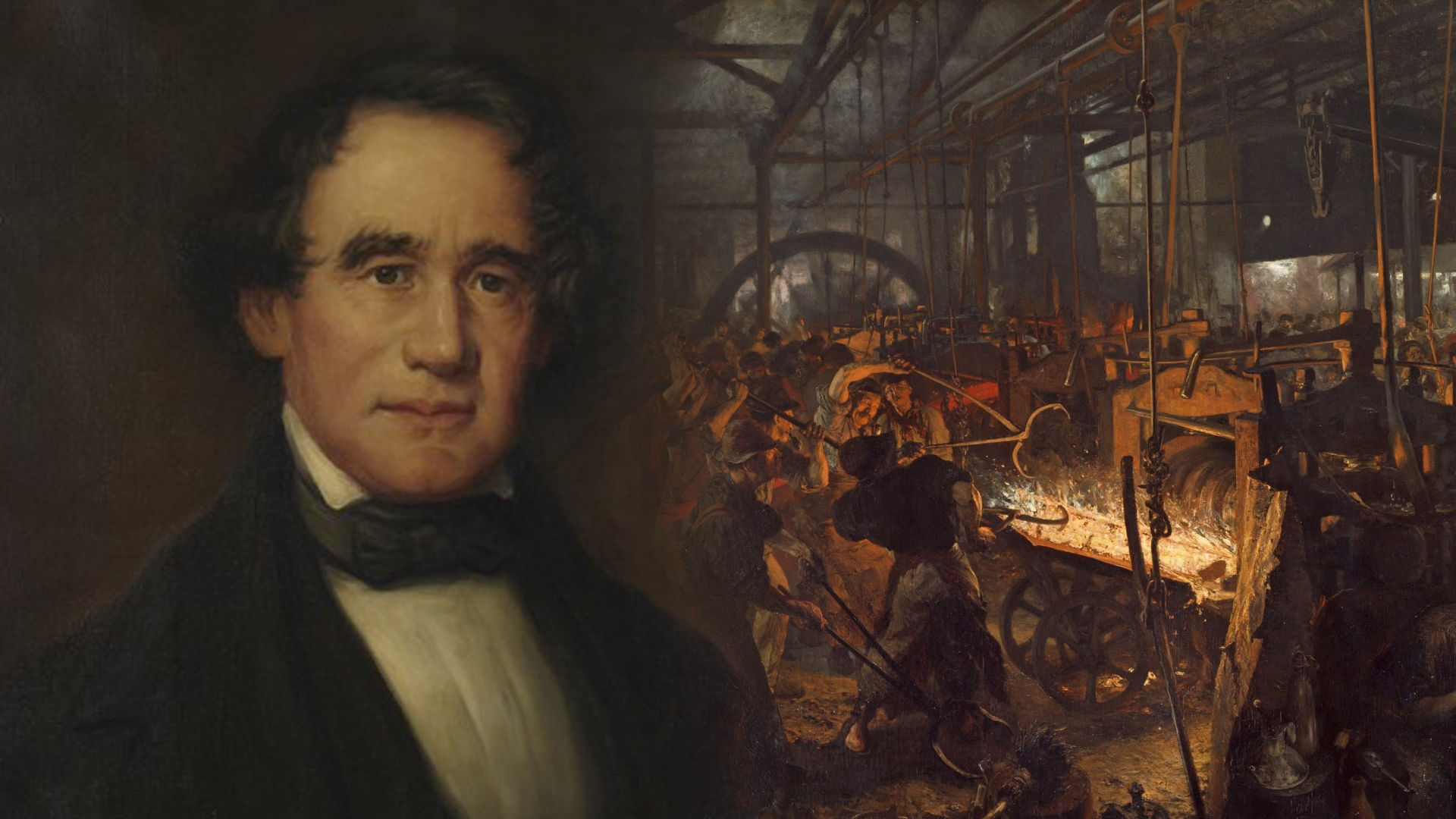
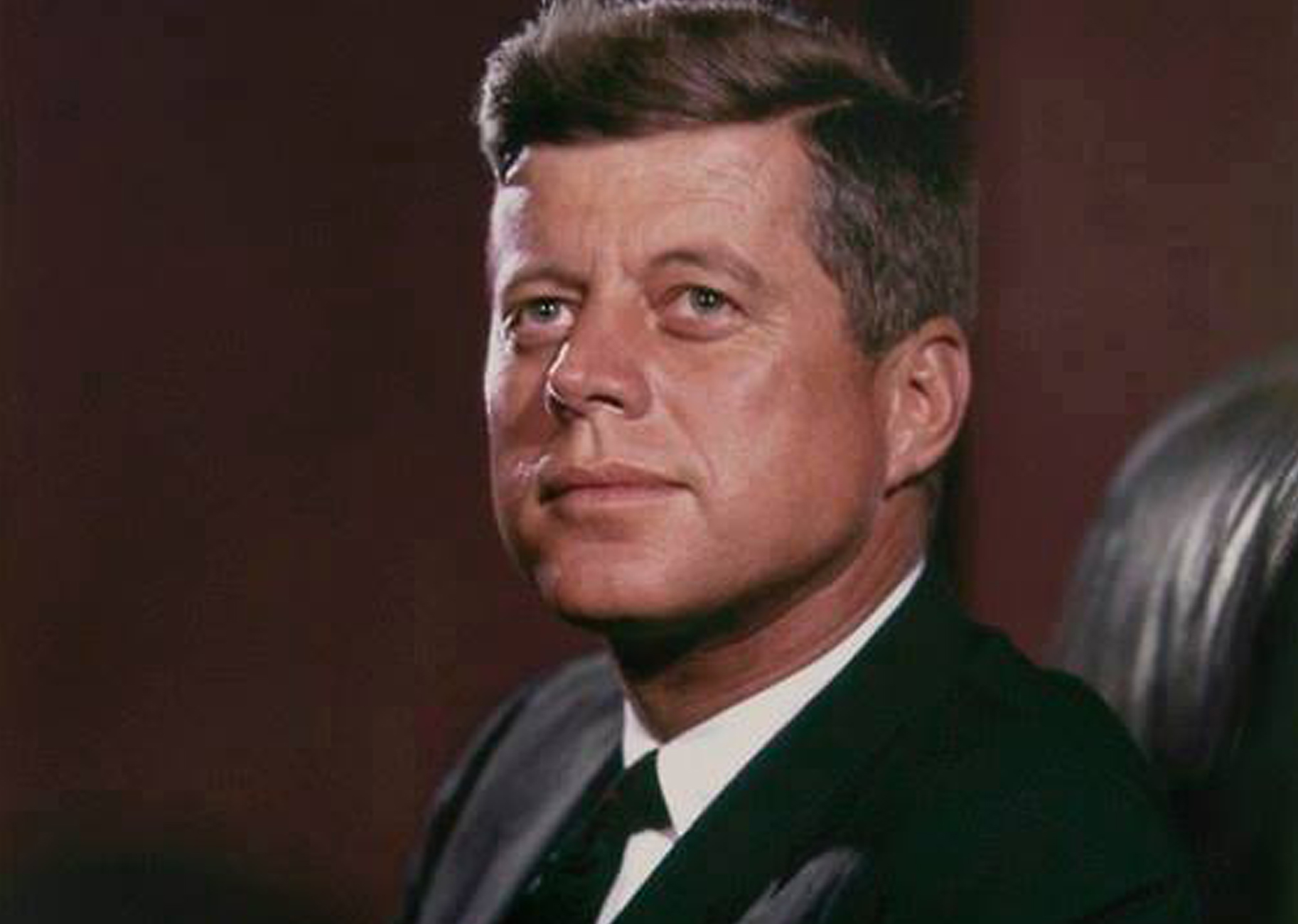
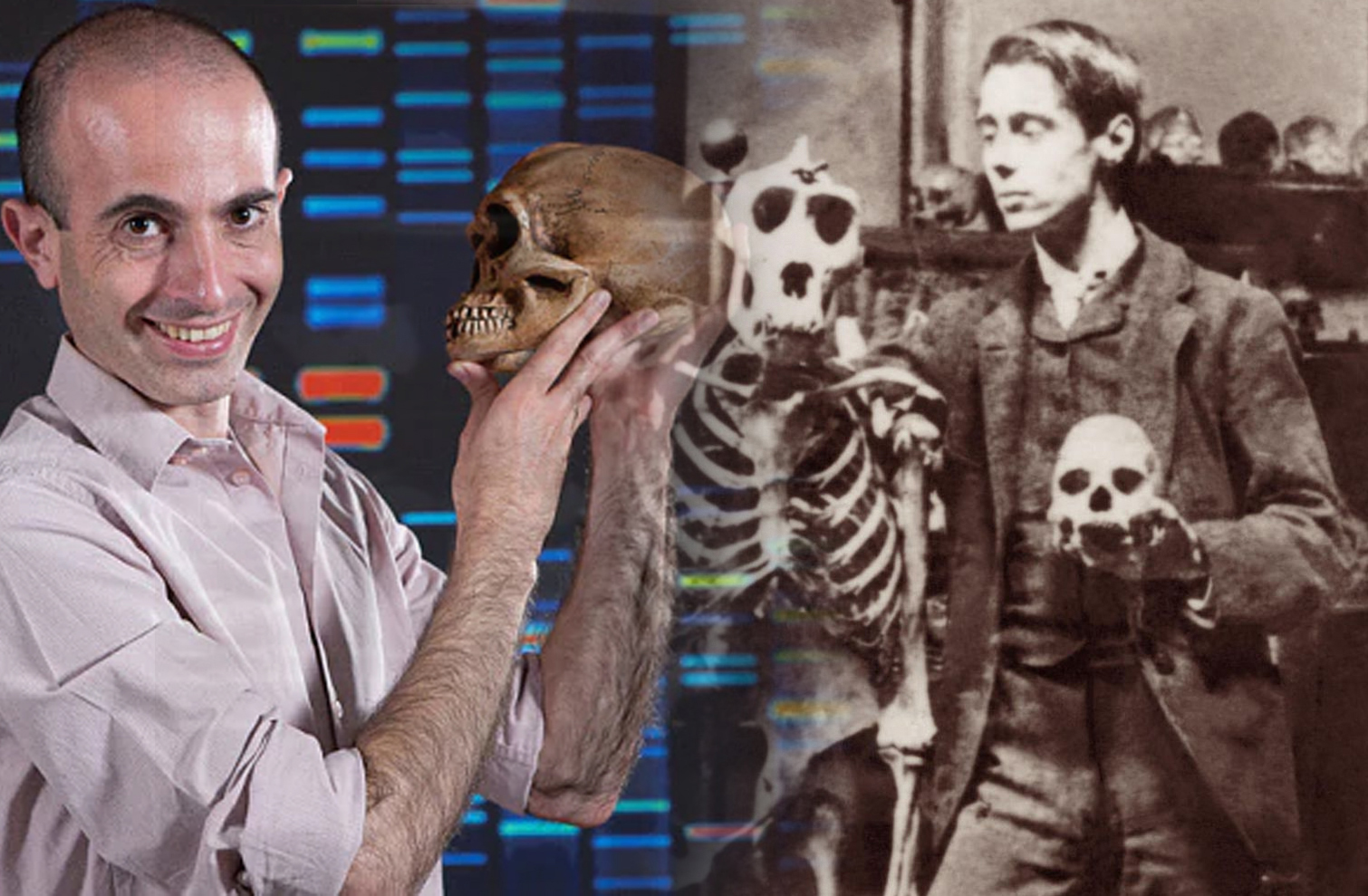









Recent Comments