By Isabel Buckmaster, Local Journalism Initiative Reporter
Wellington North — Permanent regulations are now in place to dictate how and where businesses can now grow and process cannabis in Wellington North.
Updating and introducing new zoning regulations for cannabis-related uses in the township, the recent amendment allows outdoor growth of cannabis on agricultural properties within a certain size, while indoor grow-ops are subject to further approval.
“(Planning staff) recommend for the township to continue to monitor cannabis-related legislation and best practices for the growing and production of cannabis as the land use,” said Curtis Marshall, manager of development planning for Wellington North, during the public meeting Monday evening.
Advertisement
In September 2021, council passed an interim control by-law prohibiting the establishment of “cannabis production-related uses” in the township for one year to allow for a land use planning study on the growing and processing of the plant.
This was extended a second-time last year.
However, Coun. Penny Renken wasn’t sure the bylaw was clear enough to protect residents living on neighbouring properties.
“I’m just a little concerned about the wording where it says the distance between the growing operation in a rural area and to a sensitive area,” said Renken. “The area on the sensitive land between the house and the lot line may be occupied by family or children playing.”
According to the report, all activities associated with indoor cannabis production shall be setback a minimum of 300 metres from the lot line for those with sensitive uses.
In the case where the sensitive land use is a residential dwelling, the measurements are to the building itself, not the lot line.
“When I was working I had to be in contact with raw marijuana plants that were seized and I ended up with sore throats and headaches,” said Renken. “So I think that’s a real concern for the people living in these residences.”
But while Marshall said it was a “fair comment,” the zoning decision was made since the township’s rectangular lots make it “difficult” to locate setbacks on different properties.
“A lot of farms (in Arthur and around the township) are surveyed at 300 metres wide so effectively if we had a 300-metre setback to the lot line, it would leave very little area on most farms for the severance,” said Marshall. “Thinking about that, if it is to a dwelling, it would provide additional opportunity to locate a (cannabis) facility or field.”
A similar concern brought up within the report was related to odour.
“The permission to allow the outdoor growing of cannabis and hemp recognizes the agricultural nature of “growing” the plant, and proposed setbacks and separation distances should serve to limit impacts and nuisances related to odours,” said the report. “The seasonal nature of outdoor growing will also limit impacts and nuisances to sensitive land uses as only one crop per year is grown, as opposed to an indoor facility where numerous crops can be grown with plants potentially always in bloom and odorous.”
Marijuana testing is currently one of the most controversial matters in the employment market. While a majority of states have passed cannabis policies that allow residents to purchase and use either medical or recreational cannabis, the plant is still illegal at the federal level. As such, certain employers choose to or are required to run regular drug tests to ensure their employees are always drug-free.
With millions of Americans now granted access to legal cannabis, the differences between federal and state laws were bound to have repercussions that would affect tons of employees.
A recent report from the American Transportation Research Institute (ATRI) has revealed that truck drivers overwhelmingly support cannabis testing reforms. The trucking industry has been dealing with driver shortages due to strict drug-testing policies that have reduced the pool of drivers who are eligible for employment.
In March 2022, the U.S. Department of Transportation released a summary report noting that 10,276 commercial truck drivers had tested positive for THC compared to 31,085 positive drivers during the previous year, and 29,511 in 2020. Even though the American Trucking Association stated in 2021 that lower wages and an influx in retirements were responsible for the driver shortage, the recent increase in positive cannabis tests is also contributing.
In the recent ATRI report, titled “Impacts of Marijuana Legalization on the Trucking Industry,” the transportation research institute reviewed cannabis research, data on cannabis use and highway safety, and trends in legalization. The report also summarized the hiring and workforce implications of cannabis legalization on the trucking industry, taking a closer look at the opinions of carriers and truck drivers on cannabis reform.
According to the report, data from the Drug and Alcohol Clearinghouse shows that more than 100,00 drivers tested positive for marijuana metabolites and were excused from duty from 2020 to 2022. The report also noted that 60.1% of carriers reported an increase in the number of walk-outs and positive pre-employment cannabis tests over the past half-decade. In addition, it notes that with the shortage of truck drivers in recent years averaging 65,000 to 80,000, the drivers removed due to cannabis use are definitely contributing to the shortages.
Federal cannabis prohibition presents a “potential disincentive” for truck drivers, and loosening marijuana testing rules could expand the employee pool and make trucking more attractive to drivers. The report showed that 62% of carriers said that the industry needed to change its federal drug testing policies, with 65.4% saying the cannabis use test should be replaced with a cannabis impairment test, and 40.9% of carriers stated that they were still concerned about impaired driving.
It is possible that a notable number of truckers who test positive for marijuana use the substance for medical reasons, and it is unfortunate that such people lose their jobs as a result. The work being done by entities such as IGC Pharma Inc. (NYSE American: IGC) to come up with pharmaceutical-grade therapeutics from marijuana compounds could help such individuals manage their health conditions without putting their jobs at risk.
NOTE TO INVESTORS: The latest news and updates relating to IGC Pharma Inc. (NYSE American: IGC) are available in the company’s newsroom at https://cnw.fm/IGC
About CNW420
CNW420 spotlights the latest developments in the rapidly evolving cannabis industry through the release of two informative articles each business day. Our concise, informative content serves as a gateway for investors interested in the legalized cannabis sector and provides updates on how regulatory developments may impact financial markets. Articles are released each business day at 4:20 a.m. and 4:20 p.m. Eastern – our tribute to the time synonymous with cannabis culture. If marijuana and the burgeoning industry surrounding it are on your radar, CNW420 is for you! Check back daily to stay up-to-date on the latest milestones in the fast -changing world of cannabis.
To receive instant SMS alerts, text CANNABIS to 21000 (U.S. Mobile Phones Only)
Please see full terms of use and disclaimers on the CannabisNewsWire website applicable to all content provided by CNW420, wherever published or re-published: http://CNW.fm/Disclaimer
Do you have questions or are you interested in working with CNW420? Ask our Editor
Senators Ed Markey and Elizabeth Warren are advocating for cannabis reform that gives priority to areas that have suffered the most from the drug war and prevent monopolization by large corporations such as Amazon and major tobacco companies. During a dedicated event focused on fostering an inclusive cannabis industry, the senators expressed gratitude to activists for their unwavering support of minority-owned marijuana businesses. They also committed to championing policies that align with the intention of promoting equity.
In a recorded video aired during the ceremony, Warren stressed that legalization by itself is insufficient. She emphasized the significance of ensuring that the communities hardest afflicted by the drug war receive priority access to the advantages of legalization. She also argued in favor of legalization that does not give dominant organizations such as Big Alcohol and Tobacco or massive retail chains control over the market.
The senator expressed skepticism about Amazon’s lobbying efforts for marijuana legalization, viewing those efforts as potentially self-serving attempts to monopolize another market. Warren voiced concern that such actions could impede Latino and Black entrepreneurs from thriving in the emerging cannabis industry.
The senators’ statements were consistent with the main point of the “crash course” on cannabis policy provided by the Parabola Center for Policy and Law. The purpose of the event was to inform attendees of the potential negative effects of concentrated ownership in the cannabis sector.
Markey also spoke to the audience through a prerecorded video, admitting that the drug war had failed. He acknowledged the courage of the communities that endured disproportionate criminalization during the Prohibition era. Markey highlighted President Joseph Biden’s widespread marijuana pardon and Massachusetts’ initiatives to prioritize equity in its legal marijuana market as important advances in cannabis legislation across the country.
The Federal Marijuana Policy Crash Course also included marijuana regulators from Washington, D.C., New York City and Massachusetts, alongside representatives from prominent cannabis advocacy groups such as Marijuana Justice, Drug Policy Alliance, Doctors for Cannabis Regulation, Students for Sensible Drug Policy and Cannabis Regulators of Color Coalition.
Prior to the course, Parabola issued an “anti-monopoly tool kit” that outlined federal and state policy priorities aimed at preventing corporate consolidation, which could pose a threat to small marijuana businesses in the sector. In 2021, Parabola put forth changes to a House-passed bill legalizing marijuana on a federal level. The intended modifications aimed to create a fair market that enabled the communities most adversely affected by prohibition to profit from the new sector.
The institute had previously expressed worries about how the alcohol and cigarette businesses would affect federal cannabis reform. They asked politicians to rethink enacting marijuana laws that were modeled after alcohol laws.
It is encouraging that as discussions about what form federal marijuana legalization should take, emphasis is being placed on including as many people as possible in the industry. Such an approach could help to spread the benefits of legalization to a wider section of the population, and that could in turn make it easier for different companies such as Advanced Container Technologies Inc. (OTC: ACTX) to deepen their reach in different markets around the country, given that more growers will be participating in the industry.
NOTE TO INVESTORS: The latest news and updates relating to Advanced Container Technologies Inc. (OTC: ACTX) are available in the company’s newsroom at https://cnw.fm/ACTX
About CNW420
CNW420 spotlights the latest developments in the rapidly evolving cannabis industry through the release of two informative articles each business day. Our concise, informative content serves as a gateway for investors interested in the legalized cannabis sector and provides updates on how regulatory developments may impact financial markets. Articles are released each business day at 4:20 a.m. and 4:20 p.m. Eastern – our tribute to the time synonymous with cannabis culture. If marijuana and the burgeoning industry surrounding it are on your radar, CNW420 is for you! Check back daily to stay up-to-date on the latest milestones in the fast -changing world of cannabis.
To receive instant SMS alerts, text CANNABIS to 21000 (U.S. Mobile Phones Only)
Please see full terms of use and disclaimers on the CannabisNewsWire website applicable to all content provided by CNW420, wherever published or re-published: http://CNW.fm/Disclaimer
Do you have questions or are you interested in working with CNW420? Ask our Editor
Psilocybin is one of several psychedelics that have exhibited therapeutic potential against various common mental disorders. Research has revealed that psilocybin (magic mushrooms) can deliver long-term benefits against mental disorders such as depression, anxiety, and substance-abuse disorders.
However, psilocybin-assisted therapy usually involves undergoing a psychedelic trip that can last up to six hours.
Given that many people would prefer psychedelic treatments without the hours long trip, researchers have been working to develop psychedelic drugs that allow patients to derive the benefits without having to experience hallucinogenic effects for hours. In a recent study on the effects of trip-free psychedelics, researchers sought to understand the effects of psilocybin on obsessive-compulsive disorder (OCD) after blocking the psychedelic effects.
The researchers found that taking trip-free psilocybin did not affect psilocybin’s ability to alleviate the symptoms of obsessive behaviors related to OCD. Findings of the study, which were reported in the “Translational Psychiatry” journal, add to the growing body of literature on the medical application of psychedelics in the psychiatric industry and, more specifically, the safety and efficacy of psilocybin in OCD treatment.
Psychedelics such as psilocybin have shown promise against normally debilitating conditions that rarely respond to conventional treatment, such as OCD. Characterized by repetitive behaviors and intrusive, uncontrollable thoughts, OCD affects roughly 2.3% of the American population. Treatment often involves cognitive behavioral therapy and antidepressants, but a large number of OCD patients rarely respond to these treatments, underscoring the need for more effective OCD treatments.
Hebrew University psychiatry professor and study author Bernard Lerer explained that the research team was interested in the therapeutic potential of hallucinogenics against psychiatric disorders, especially in patients who typically don’t respond to standard medication (at least a third). Consequently, the team founded the Hadassah BrainLabs Center for Psychedelic Research to conduct scientific research on psychedelics.
Lerer said that preliminary results from psilocybin-OCD studies have shown that the drug can alleviate OCD symptoms in patients. The team used a mouse model to study the effects of trip-free psilocybin against obsessive behaviors; the researchers found that blocking the psychedelic effects did not diminish psilocybin’s therapeutic effects. They used a drug called buspirone to block specific serotonin receptors and keep the mice from experiencing the mind-bending effects associated with psychedelic use.
Lerer said their findings indicate that clinicians may be able to treat OCD without the psychedelic trip by combining psilocybin with buspirone. The research team noted that more research will be needed to fully understand the efficacy and safety of the combination of anti-OCD drugs.
There is plenty of psychedelics R&D being conducted by various enterprises such as Mind Medicine Inc. (NASDAQ: MNMD) (NEO: MMED) (DE: MMQ). The coming years are therefore likely to make available several hallucinogenic-based treatments targeting various indications that have been afflicting patients.
About PsychedelicNewsWire
PsychedelicNewsWire (PNW) is a specialized content distribution company that (1) aggregates and distributes news and information on the latest developments in all aspects and advances of psychedelics and their use, (2) creates PsychedelicNewsBreaks designed to quickly update investors on important industry news, (3) leverages a team of expert editors to enhance press releases for maximum impact, (4) assists companies with the management and optimization of social media across a range of platforms, and (5) delivers unparalleled corporate communication solutions. PNW stays abreast of the latest information and has established a reputation as the go to source for coverage of psychedelics, therapeutics and emerging market opportunities. Our team of seasoned journalists has a proven track record of helping both public and private companies gain traction with a wide audience of investors, consumers, media outlets and the general public by leveraging our expansive dissemination network of more than 5,000 key syndication outlets. PNW is committed to delivering improved visibility and brand recognition to companies operating in the emerging markets of psychedelics.
To receive instant SMS alerts, text “Groovy” to 844-397-5787 (U.S. Mobile Phones Only)
Please see full terms of use and disclaimers on the PsychedelicNewsWire website applicable to all content provided by PNW, wherever published or re-published: https://www.psychedelicnewswire.com/Disclaimer
Do you have questions or are you interested in working with PNW? Ask our Editor
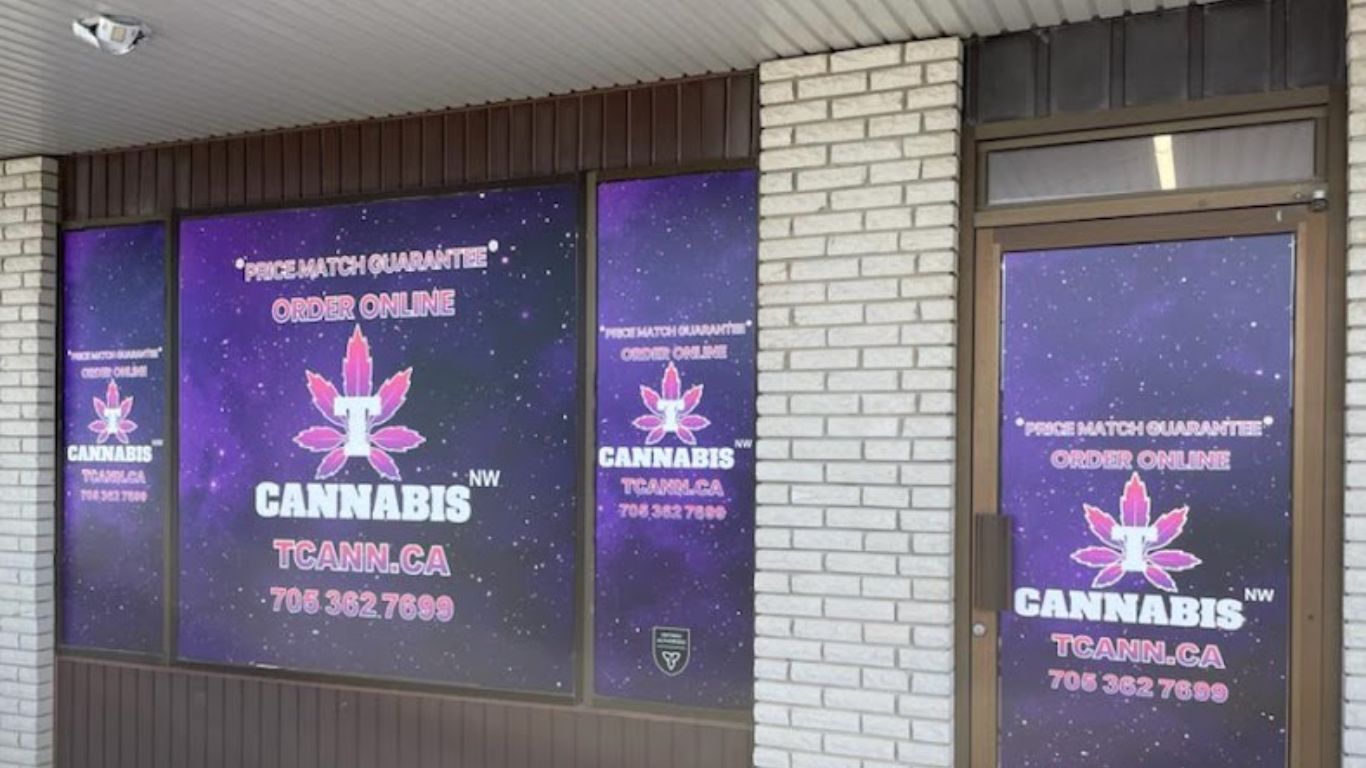
Ontario’s cannabis regulator is launching a consultation on the topics of window coverings in cannabis stores as well as advertising and promotion of cannabis.
The AGCO, the Alcohol and Gaming Commission of Ontario,—responsible for regulating Ontario’s alcohol, gaming and horse racing sectors, and cannabis retail stores—is looking to gather feedback on two revisions to the province’s cannabis rules.
The first revision relates to the visibility of cannabis and cannabis accessories from the exterior of stores, while the second relates to inducements for customers to purchase cannabis.
Specifically, the provincial regulator is asking for feedback on two rules in Ontario’s Standards for Cannabis Retail Stores.
The first is a rule that says cannabis stores must ensure that cannabis and accessories are not visible from the exterior of the premises.
The second deals with an existing rule that prevents retailers from giving out free cannabis or providing incentives to purchase cannabis or cannabis accessories.
The AGCO will be collecting feedback from relevant stakeholders until July 11 through its Engagement Portal. A notice is being sent out to retailers and other stakeholders by the end of day on June 20.
The AGCO also has a call for proposals for a Cannabis Retail Employee Training Program, and is accepting applications until September 1, 2023. Through this process, up to two programs, in addition to the province’s current CannSell program, could be approved by the AGCO Board for a five-year term. Any approved programs will begin offering training in 2024.











Recent Comments