


Article content
Afroman is being used by police after he used home security footage of a raid on his Ohio property in his music videos.


Alberta cannabis retailers can now try before they buy.
Article content
Alberta Gaming, Liquor and Cannabis (AGLC) recently announced that cannabis representatives can now provide up to 3.5 grams of dried cannabis, or equivalent, as sample product. Samples provided must be for marketing purposes and are for licensee use only.
Article content
AGLC notes it has “streamlined policies contained in the Cannabis Representative Handbook (CRH) to provide cannabis representatives with more autonomy in their management and operations.”
The updated CRH clarifies that cannabis reps can provide a “one-time” maximum sample size of 3.5 grams per product and records of all samples must be retained for six years and are subject to AGLC review upon request.
In a tweet, the Alberta Cannabis Micro License Association applauded the move and said the “change will result in more diverse cannabis product offerings for consumers.”
Article content
With around 1,000 cannabis stores, Alberta has the second-highest number of dispensaries in the country, trailing only Ontario which is home to approximately 1,700 stores.
Other provinces, such as Saskatchewan, also allow producers to provide retailers with samples, though Ontario does not.
Karim Rahill, sales director at MTL Cannabis, previously told The GrowthOp that not being able to provide samples of product is one of the “biggest difficulties” he faces in regulated sales.
“Back in the day, if someone wanted 100 pounds, well, you’d bring him a half-pound sample to look at, to smell, to try. We can’t do that now and it hurts. You can send pictures and a pitch deck but it’s not the same. You can’t feel the moisture, you can’t smell it, you can’t grind it. For me, weed looks good as a whole but if you can’t grind it in front of somebody and make them smell what that grind smells like, you’re missing out on the lot, for our purchasers as well as for our consumers,” Rahill said.
Recommended from Editorial
Share this article in your social network

Officers contend that the use of the raid footage has caused them ’emotional distress, embarrassment, ridicule, loss of reputation and humiliation’
Afroman is being used by police after he used home security footage of a raid on his Ohio property in his music videos.
Advertisement 2
Story continues below
Article content
After police raided his Ohio property last September, the rapper and 2024 U.S. presidential candidate released a song, titled “Will You Help Me Repair My Door?”
Article content
The police reportedly had a search warrant for suspicion of narcotics, drug trafficking and kidnapping, but left the home with a vape pen, some roaches and a jar of CBD flower. Police also seized about $5,600 in cash from a suit pocket.
Four deputies, two sergeants and a detective with the Adams County Sheriff’s Office have brought the suit against the 48-year-old, whose legal name is Joseph Foreman. The officers contend that the use of the raid footage has caused them “emotional distress, embarrassment, ridicule, loss of reputation and humiliation,” according to The Associated Press.
Article content
Advertisement 3
Story continues below
Article content
The officers are now seeking all profits from the use of their images, including proceeds from songs, music videos and live event tickets, and are also demanding footage of them be removed from the internet.
Foreman was in Chicago at the time of the raid and the security footage shows police breaking through his front gate and door to enter the property. No charges were filed against Foreman and the seized cash was later returned, though it was reportedly $400 short.
A probe from the Ohio Bureau of Criminal Investigation later determined that deputies had miscounted the amount seized during the raid itself, according to AP.
On social media, Foreman responded to the suit in a series of posts, including noting that he hopes the officers “don’t feel any mental stress today like I did when you came to kill me in front of my kids.”
Advertisement 4
Story continues below
Article content
In a separate post, Foreman released a statement from his attorney Anna Castellini. “We are waiting for public records requests from Adam’s county we still have not received. We are planning to counter sue for the unlawful raid, money being stolen, and for the undeniable damage this had on my clients family, career and property,” the post reads.
In December, Foreman announced he would be running for U.S. President and plans to “get recreational cannabis legal in all states.”
Recommended from Editorial
Article content

Ben’s Best Blnz to ‘use the power of [its] business to Right the Wrongs of the War on Drugs’
Ben & Jerry’s has never been shy about its connection to cannabis.
Advertisement 2
Story continues below
Article content
The Vermont-based ice cream company counts Cherry Garcia and Phish Food among its offerings and has previously partnered with dispensaries to offer free pints of its Half Baked ice cream, a combination of cookie dough and fudge Brownie.
Article content
The company has also been outspoken about cannabis reform, including calling for amnesty for those previously convicted of smoking pot while also highlighting racial inequality in the U.S. cannabis industry.
Now the company is looking to “use the power of [its] business to Right the Wrongs of the War on Drugs” through the launch of Ben’s Best Blnz, or B3, a non-profit cannabis company.
Offering pre-rolls and full-spectrum vapes, the company is advocating for the release of prisoners held on non-violent cannabis charges, as well as record expungement, and for cannabis to be descheduled federally in the U.S.
Article content
Advertisement 3
Story continues below
Article content
“The whole basis for the drug war is that the federal government puts pot on Schedule 1 — the same category as heroin. Schedule 1 is supposed to be for drugs that have a serious risk of addiction and no medical benefit. That doesn’t apply to pot. But it does apply to beer. So we say to the Feds — Take Pot Off Schedule 1 Or Put Beer On It,” the company notes on its website.
The company says it has partnered with Vermont-based independent craft growers who use “no non-organic anything,” as they grow “terpene forward” cultivars.
Eighty per cent of profits from B3 will be directed to Black cannabis entrepreneurs and the company reports it has established a low-interest loan fund for Black, Indigenous and people of colour cannabis entrepreneurs. Both the grant and loan programs are administered in partnership with Oregeon-based NuLeaf Project, a Black-led non-profit organization.
Advertisement 4
Story continues below
Article content
The remaining 20 per cent of profits will be split evenly between the Vermont Racial Justice Alliance and the Last Prisoner Project, a national U.S. organization dedicated to cannabis criminal justice reform.
B3 notes that the company was founded with a no-interest loan and it licenses its “formulas, packaging, trademarks, and marketing materials to for profit businesses in exchange for a royalty.” All of those royalties, minus expenses, will be used to support its social missions.
The company’s products are currently available at four dispensaries in Colorado with plans for future expansion.
Recommended from Editorial
Article content

Despite common misconceptions that cannabis is ‘all natural’ and safe to use during pregnancy or adolescence, the data suggests there are real risks
Cannabis is a widely used psychoactive drug worldwide, and its popularity is growing: The U.S. market for recreational cannabis sales could surpass US$72 billion by 2023.
Advertisement 2
Story continues below
Article content
As of early 2023, 21 U.S. states and the District of Columbia have legalized cannabis for recreational use for people age 21 and up, while 39 states plus the District of Columbia have legalized it for medical use.
Article content
The growing wave of legalization and the dramatic increase in cannabis potency over the past two decades have raised concerns among scientists and public health experts about the potential health effects of cannabis use during pregnancy and other vulnerable periods of development, such as the teen years.
I am a developmental neuroscientist specializing in studying what’s known as the endocannabinoid system. This is an evolutionarily ancient system found in humans and other vertebrates that produces natural cannabinoids such as THC and CBD.
Advertisement 3
Story continues below
Article content
Cannabis and its constituents interact with the body’s endocannabinoid system to product their effects. THC and CBD are the most commonly known cannabis extracts and can be synthesized in a lab. My lab also studies the risks versus potential therapeutic value of cannabis and cannabinoids.
People often assume there’s no risk when using cannabis or cannabinoids during vulnerable periods of life, but they’re basing that on little to no data. Our research and that of others suggests that cannabis use during pregnancy and adolescence can present myriad health risks the public should be aware of.
More and more pregnant people are using cannabis today compared with a decade ago, with some studies showing that nearly 1 in 4 pregnant adolescents report that they use cannabis.
Article content
Advertisement 4
Story continues below
Article content
Many cannabis consumers may have not known they were pregnant and stopped using when they found out. Others report using cannabis for its touted ability to ease pregnancy-related symptoms, like nausea and anxiety. However, studies do not yet confirm those health claims. What’s more, the potential harms are often downplayed by pro-cannabis marketing and messaging by dispensaries, advocacy groups and even midwives or doulas.
In addition, physicians and other health care providers often are not knowledgeable enough or don’t feel well equipped to discuss the potential risks and benefits of cannabis with their patients, including during pregnancy.
While research shows that most people who are pregnant perceive little to no risk in using cannabis during pregnancy, the data show there is clear cause for concern. Indeed, a growing number of studies link prenatal cannabis exposure to greater risk of preterm birth, lower birth weight and psychiatric and behavioural problems in children. These include, for example, difficulties with attention, thought, social problems, anxiety and depression.
Advertisement 5
Story continues below
Article content
When cannabis is inhaled, consumed orally or taken in through other routes, it can easily cross through the placenta and deposit in the fetal brain, disrupting brain development.
A recent study from my lab, led by medical student Mohammed Faraj, found that cannabis use during pregnancy can shape the developing brain in ways that are detectable even a decade later.
We used data from the National Institutes of Health Adolescent Brain Cognitive Development Study, which is the largest long-term study of brain development and child and adolescent health in the U.S. It has followed more than 10,000 children and their families from age 9-10 over a 10-year period.
Through that analysis, we linked prenatal cannabis exposure to alterations in functional brain networks in 9- and 10-year-old children. In particular, prenatal cannabis exposure appeared to disrupt the communication between brain networks involved in attentional control, which may explain why children who were exposed to cannabis in utero may develop difficulties with attention or other behavioural issues or mental disorders as they develop.
Advertisement 6
Story continues below
Article content
While alcohol abuse has steadily declined among adolescents since 2000 in the U.S., cannabis use shows the opposite pattern: It increased by 245 per cent during that same period.
Data reported in 2022 from the Monitoring the Future survey of over 50,000 students in the U.S. found that nearly one-third of 12th grade students reported using cannabis in the past year, including cannabis vaping. Yet only about 1 in 4 12th grade students perceive great harm in using cannabis regularly. This suggests that many teens use cannabis, but very few consider it to have potentially negative effects.
Research shows that the adolescent brain is primed to engage in high-risk behaviours such as experimenting with cannabis and other substances. Unfortunately, owing to ongoing brain development, the adolescent brain is also particularly susceptible to the effects of cannabis and other substances. Indeed, many neuroscientists now agree that the brain continues to develop well into the second and even third decade of life.
Advertisement 7
Story continues below
Article content
In line with this vulnerability, research shows that, relative to those who did not use cannabis during adolescence, those who started using it during adolescence are at increased risk of developing depression, suicidal ideation, psychosis and reductions in IQ during adolescence and adulthood. Neuroimaging studies also show residual effects of adolescent cannabis use on brain functioning, even later during adulthood.
Despite common misconceptions that cannabis is “all natural” and safe to use during pregnancy or adolescence, the data suggests there are real risks. In fact, in 2019, the U.S. surgeon general issued an advisory against the use of cannabis during pregnancy and adolescence, stating that “no amount … is known to be safe.”
Advertisement 8
Story continues below
Article content
Cannabis may be harmful to the developing brain because it disrupts the developing endocannabinoid system, which plays a critical role in shaping brain development from conception into adulthood. This includes neural circuits involved in learning, memory, decision-making and emotion regulation.
While much of this research has focused on cannabis use, there is also other research that comes to similar conclusions for THC and CBD in other forms. In fact, although CBD is widely available as an unregulated supplement, we researchers know almost nothing about its effects on the developing brain. Of note, these harms apply not only to smoking, but also to ingesting, vaping or other ways of consuming cannabis or its extracts.
Advertisement 9
Story continues below
Article content
In my view, it’s important that consumers know these risks and recognize that not everything claimed on a label is backed by science. So before you pick up that edible or vape pen for stress, anxiety, or sleep or pain control, it’s important to talk to a health care provider about potential risks — especially if you are or could be pregnant or are a teen or young adult.
Recommended from Editorial
, Assistant Professor of Psychiatry and behavioural Neurosciences, Wayne State University
This article is republished from The Conversation under a Creative Commons license. Read the original article.
Article content
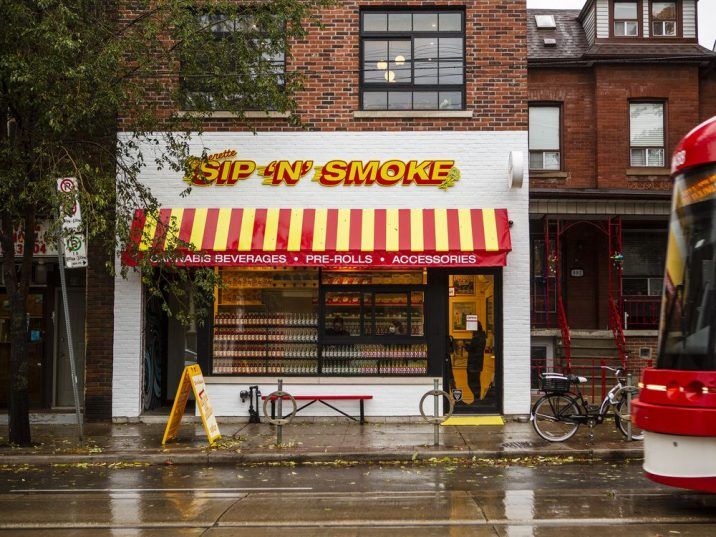
After a record-setting December, Canadian cannabis sales fell seven per cent in January to $395.5 million.
Article content
The sales represent a seven per cent decrease from December’s high of more than $425 million and mark a 14 per cent year over year increase.
Article content
Ontario was responsible for nearly $155M in sales in January, followed by Alberta ($69.5M) and B.C. ($60.6M), according to the latest figures from Statistics Canada.
Nearly ever province saw a slight reduction sales except for Saskatchewan, which recorded $19.1M in sales, a 13 per cent month over month increase.
New Brunswick saw the most precipeorus drop in sales, recording a month over month decrease of nearly 15 per cent.
Canadians purchased more than $4.5 billion of recreational cannabis in 2022, nearly an 18 per cent year-over-year increase.
Earlier this year, the Ontario Cannabis Store, the provincial wholesaler, announced it would reduce its margins in an effort to boost struggling retailers and combat the illicit market. The changes will be implemented in September and the OCS estimates it will contribute approximately $35 million into the marketplace in 2023-24 and compound annually in the years ahead.
Share this article in your social network
South African president Cyril Ramaphosa recently reiterated plans to accelerate the commercialisation of hemp as well as cannabis plants. His speech setting out government’s priorities for 2023 was a reminder of a pledge in 2022 – also in his state of the nation address – that the government would mobilise investment in the hemp and cannabis sectors.
Advertisement 2
Story continues below
Article content
In his speech, the president indicated that government is in the process of addressing the conditions for the growth of the cannabis sector, particularly for rural farmers. The Department of Agriculture, Land Reform and Rural Development and the Department of Health are working closely to address the existing conditions for growing hemp and cannabis to enable outdoor cultivation and harvesting by rural farmers.
Article content
Currently farmers who have licences, grow their hemp and cannabis indoors under controlled conditions. The commercialisation will allow them to farm outdoors on a larger scale.
This is very exciting. The industry has the potential to create jobs, alleviate poverty and help reduce the extreme inequality in South Africa. One estimate is that the sector has the potential to create more than 130,000 new jobs.
Article content
Advertisement 3
Story continues below
Article content
The opportunity to commercialise the hemp and cannabis industry is that it is a new, fast-growing, multi-billion dollar sector with local and international markets. The potential legal pharmaceutical market for hemp and cannabis in South Africa alone has been estimated at over R100 billion a year.
But there are challenges.
First, that the government fails to implement changes needed to ensure the sector grows in a way that benefits township and rural entrepreneurs farmers. Adding a paragraph dedicated to the cannabis and hemp sector to the annual state of the nation address each year is one thing. But seeing action being taken and plans implemented is another.
The second is that, from mid-2022, small scale farmers farming cannabis promised to be issued with licences to farm legally. However, some farmers in the rural areas of the Eastern Cape are still waiting.
Advertisement 4
Story continues below
Article content
But there is a way forward. Based on my experience as a member of the Cannabis Organisation University of Pretoria and a member of one of the working groups set up to give inputs for a government masterplan first drawn up in 2021, I make four recommendations to fast-track the process.
These include reviewing and revising the existing master plan, getting defunct working groups up and running again, ensuring the plan is in place before investments begin and setting up a monitoring and evaluation capability.
The president mentioned that, in accelerating commercialisation of the sector, urgent work is being finalised by government to create an enabling regulatory framework for hemp and cannabis plants. This includes their use for complementary medicines, food, cosmetics as well as some industrial products.
Advertisement 5
Story continues below
Article content
The president said that the government was urgently finalising the work to create this enabling environment.
But some crucial questions need answering: what happened to the cannabis master plan working groups and workstreams set up in 2021/2022?. These working groups and workstreams consisted of representatives from government, the private sector, academic institutions and the cannabis research community. The groups got off to a good start and were in a process or reviewing and revising a plan to commercialise hemp and cannabis. One of the key objectives was to ensure that township entrepreneurs and rural farmers would benefit from any changes.
But working groups collapsed and disappeared without trace.
Advertisement 6
Story continues below
Article content
The president’s comments therefore invite the question: what happened to the master plan working groups, and the workstreams? When the president speaks about acceleration to commercialise the cannabis sector, which includes the participation of rural farmers, how far along is the planning?
Firstly, the presidency must reinstate the cannabis master plan working groups and workstreams. They must be allowed to finalise the review and revision of the current master plan.
The revised master plan should enable the inclusion of township entrepreneurs and rural farmers. They are currently excluded from the mainstream commercialisation of hemp and cannabis due to a cumbersome licensing process.
Advertisement 7
Story continues below
Article content
Secondly, investments in the hemp and cannabis sector should only be implemented once the master plan has been reviewed and revised. This will provide guidance on how the proposed funds can be properly channelled.
The wheel should not be reinvented. Neither should time and effort be wasted.
Thirdly, a monitoring and evaluation committee needs to be set up to look after the hemp and cannabis project implementation. It should be set up in the same way as the working groups were formed with representatives from all interested players. This will ensure that all players in the sector are included. And that funds are appropriately spent.
Recommended from Editorial
Article content
Medical cannabis may improve the quality of life of patients with Tourette Syndrome, according to a recent study published in the journal Cannabis and Cannabinoid Research.
Article content
The study surveyed 70 patients who consumed a daily dose of a cannabis product with twice as much THC (123mg) as CBD (50.5mg). Patients were evaluated before and six months after treatment. The study found significant improvements in patients’ quality of life as well as reduced symptoms of anxiety and obsessive-compulsive tendencies. Patients also reduced their use of prescription medications.
Article content
However, the study did not show any statistically significant improvements in the frequency of vocal or motor tics. The most frequent adverse effects were dizziness and increased appetite.
The authors of the study concluded that while subjective reports from TS patients suggest that medical cannabis may be effective in improving their quality of life and comorbidities, more studies are needed to evaluate its efficacy and safety.
Article content
A study published last year in the journal Behavioural Neurology, found an average 38 per cent reduction in tic severity in TS patients after 12 weeks of medical cannabis use.
Additionally, 60 per cent of patients reported improved sleep, 50 per cent reported an improvement in mood and 47 per cent reported improved libido.
Eighteen patients took part in the study and overall they found the most relief in high-THC, low-CBD cannabis,
“From our data, it is suggested that [medical cannabis] might be a treatment option for resistant TS patients, and medical cannabis has a significant effect on tics, premonitory urges and patients’ overall quality of life,” the researchers wrote, adding that controlled studies are needed to further evaluate the role that cannabis can play in patients with TS.
Share this article in your social network
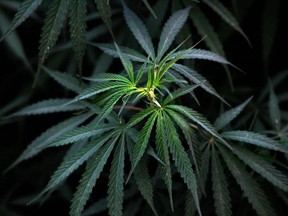
Cannabis arrived at Antigua and Barbuda airport in three separate shipments
Law enforcement officials in Antigua seized almost $750,000 worth of cannabis in a series of joint operations at the V.C. Bird International Airport.
Advertisement 2
Story continues below
Article content
Police and customs agents seized three separate shipments of weed this month, reports Antigua Observer.
Article content
In the first seizure, officials discovered 57 vacuum-sealed packages of cannabis, weighing about 26 kilograms with an estimated value of $342,000. The packages were found inside a cardboard box at the Customs Cargo Shed.
Two other shipments were also seized at the airport, with one containing a total of 31 vacuum-sealed packages of cannabis weighing 14kg while the other contained 15 vacuum-sealed weighing about 8kg. The two packages were estimated to be worth $278,700.
Police also found a portion of cannabis-infused candies. All of the packages were confiscated and taken to the police station as part of an ongoing investigation.
Article content
Advertisement 3
Story continues below
Article content
Medical cannabis was legalized in Antigua and Barbuda in 2018. The recreational use of cannabis remains illegal in the country but is also partially decriminalized. Residents can possess up to 15 grams, cultivate up to four plants, and not be guilty of an offence.
The 2019 International Religious Freedoms Report, which details the status of religious freedom in every country, highlighted Antigua and Barbuda’s decriminalization of weed, which allows the government to uphold the religious rights of Hindus and Rastafarians.
The annual report covers government policies violating religious belief and practices and details U.S. policies to promote religious freedom around the world. It identifies a dozen or so countries and territories where cannabis laws either support or interfere with religious liberties.
Advertisement 4
Story continues below
Article content
In contrast to Antigua and Barbuda, the report notes that Rastafarians in the Bahamas report government discrimination against them and sanctions on the use of cannabis.
While the U.S. contributes to the report, it is not included.
“The administration has answered the call to fight for people of all faiths, everywhere, at all time,” Secretary of State Mike Pompeo said in a statement announcing the release of the 2019 report. “It’s been a very fulfilling job for me working with the incredible staff and pushing for religious freedom in every corner of the globe.”
Recommended from Editorial
Article content
Two Manitoba residents in their 50s have been charged after Ste. Rose Du Lac RCMP executed a search warrant at a residence in Bacon Ridge, a village in the western part of the province.
Article content
Inside the residence, police seized $35,000 in cash, 40 grams of cocaine, prescription pills, unstamped cigarettes, cannabis and drug paraphernalia, reports 730CKDM.
Article content
The two individuals have each been charged with possession for the purpose of trafficking and possession of property obtained by crime. One of the individuals faces an additional charge of failure to comply.
The penalties for possession for the purpose of trafficking drugs vary depending on the type and quantity of the substance involved. Schedule I substances, such as heroin and cocaine, carry the most severe penalties.
A person found guilty of possessing cocaine for the purpose of trafficking faces a maximum penalty of life imprisonment under the Controlled Drugs and Substances Act. If the amount is less than one kilogram, the minimum penalty is one-year imprisonment.
Article content
The penalties for cannabis are less severe but can still result in significant fines and prison time.
Manitoba and Quebec are the only provinces or territories that prohibit recreational cannabis cultivation. Manitobans who are caught growing face up to a $2,500 fine, while Quebec residents can be fined between $250 and $750.
A case is currently before the Supreme Court of Canada that will decide whether Quebec’s ban on growing cannabis plants for personal use is constitutional.
TobaGrown, a campaign started by former correctional officer Jesse Lavoie to overturn Manitoba’s home-growing ban, is also an intervener in the case.
Lavoie filed a constitutional challenge in Manitoba in August 2020 with assistance from attorneys for Chornopyski Law.
Share this article in your social network
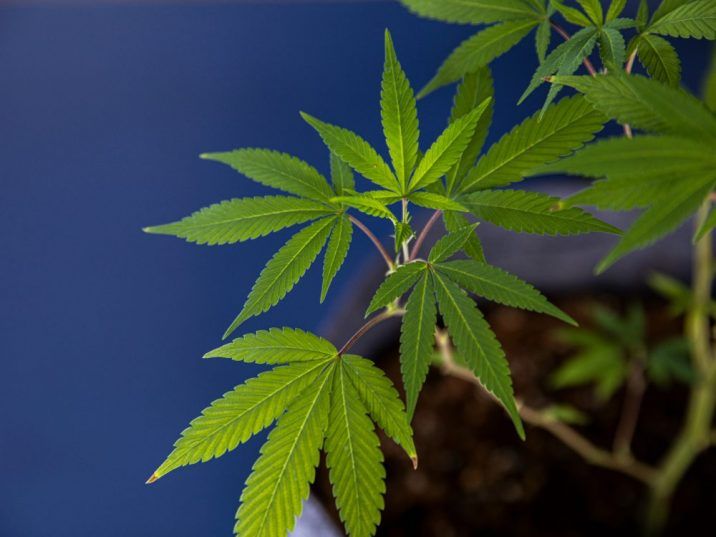
A 31-year-old man in the U.K. caught at the centre of an illegal cannabis operation said he was working on the farm to pay off his late father’s medical debt.
Article content
The man arrived in the U.K. from Albania in hopes of finding work to pay off the debt and worked a number of above board jobs, including as a cleaner, before he was offered the job at the cannabis grow, reports Wales Online.
Article content
When police executed a search warrant at a house in Neath, a town of about 45,000, they spotted the man fleeing out the back door. Inside the home, they found 185 cannabis plants, along with growing equipment. Police later apprehended the man, who offered no comment at the time of his arrest.
Appearing in court earlier this week on a charge of producing a class B drug, the man pleaded guilty.
He has no previous convictions in Albania and his lawyer said he was paid only £500 (about $841) a month to tend to the plants. The compensation did little to impact his family’s medical debt, the lawyer added.
Share this article in your social network










Comments
Postmedia is committed to maintaining a lively but civil forum for discussion and encourage all readers to share their views on our articles. Comments may take up to an hour for moderation before appearing on the site. We ask you to keep your comments relevant and respectful. We have enabled email notifications—you will now receive an email if you receive a reply to your comment, there is an update to a comment thread you follow or if a user you follow comments. Visit our Community Guidelines for more information and details on how to adjust your email settings.